Analysts estimate as-yet unlaunched Apple Robotics could generate about $130 billion a year by 2040, matching the scale of the App Store and greatly exceeding the combined revenue of Mac and iPad.
Morgan Stanley believes Apple's next major business line could move beyond phones and headsets into robotics. The bank's analysts predict that a new platform could represent as much as a quarter of Apple's share price by 2040, generating revenue that rivals its core products.
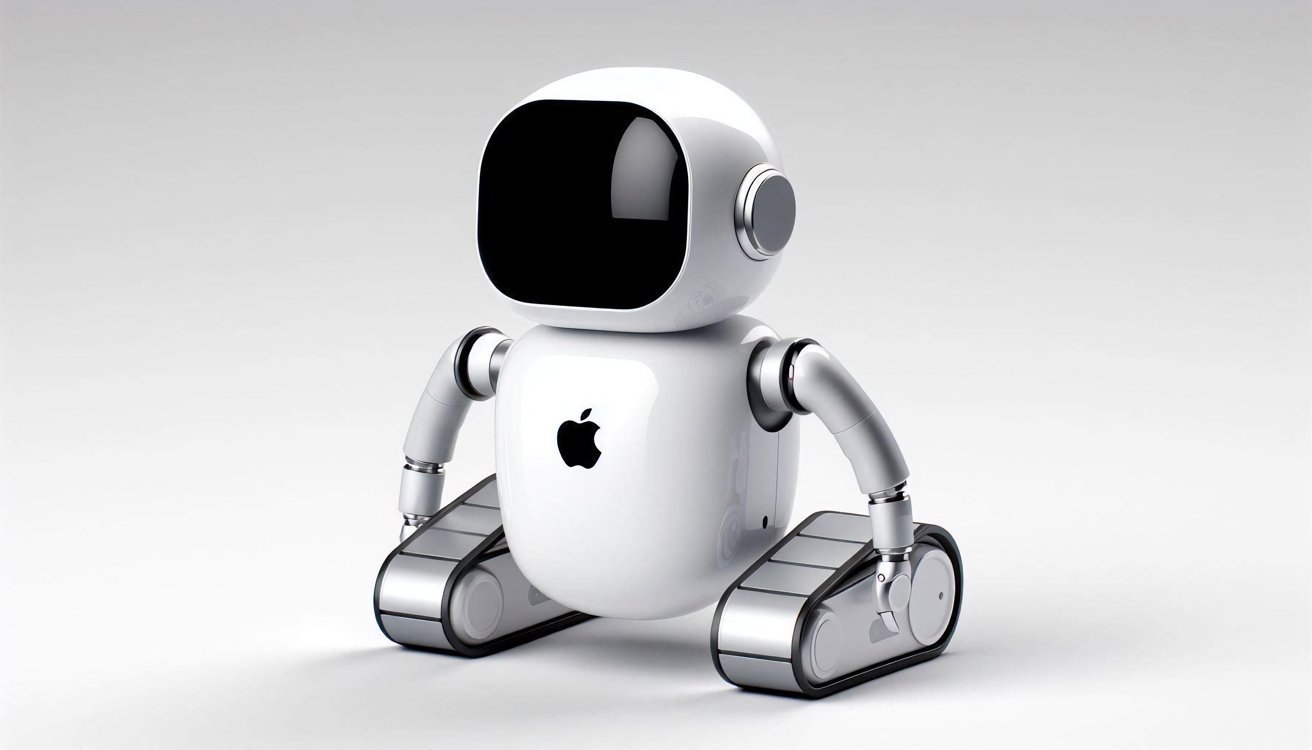
The report outlines Apple Robotics as the company's next platform after Apple Intelligence, with the first product expected in 2027— a motorized tabletop hub designed to move and track users as it assists with daily tasks.
The first consumer product is expected to be a motorized tabletop hub. It will move or track users while doing simple tasks at home or in the office. This approach is typical for Apple as it always waits for a field to mature and learn from early mistakes.
Then, Apple is expected to enter the market with a product aimed at mass adoption. In this case, robotics could connect the company's digital experiences with the physical spaces where people live and work.
Why it matters
Morgan Stanley believes robotics could be Apple's next big thing. They describe embodied AI, which combines intelligence with mechanical form, as the upcoming platform shift.
Analysts think Apple can leverage its skills in hardware, software, and silicon to develop autonomous machines. These machines could operate independently in homes, offices, and factories.
Morgan Stanley estimates that the global market for embodied AI could reach $5 trillion by 2050, giving Apple a chance to extend its ecosystem from screens to motion. If that happens, robotics would join iPhone, Mac, and Services as the company's fourth major pillar.
Key numbers
Morgan Stanley predicts Apple will capture about 9% of the global robotics market by 2040, generating roughly $133 billion in annual revenue.
At that scale, robotics would blow away the entire Mac business from a revenue standpoint, which brings in about $29 billion a year. Apple's Services division would also be surpassed, which generated $96 billion in 2024, by roughly 35%.
The iPhone remains Apple's largest product line with around $200 billion in yearly sales. If Morgan Stanley's forecast holds, robotics would become Apple's second-largest business by the late 2030s.
Under the midline forecast, robotics would be behind the iPhone but ahead of every other product line. The shift would represent one of the most significant changes in Apple's revenue mix in decades.
In a more aggressive forecast, Apple's market share could rise to 22%, pushing revenue close to $300 billion a year. That's comparable to the iPhone's current scale.
How Apple gets there
Apple's advantage lies in the same approach that has guided its previous successes: control every layer of the product. The company designs its own chips, writes the software, and connects more than two billion active devices through one ecosystem.
Morgan Stanley points to Project Titan and the Daisy recycling robot as examples of early groundwork. Both projects helped Apple build expertise in sensor fusion, mobility, and mechanical engineering.
Analysts also note an uptick in robotics-related hiring, new patent activity, and partnerships with suppliers like BYD as evidence that Apple is preparing to manufacture at scale.
The firm argues that Apple's slow, methodical approach is an advantage. Rather than racing to market, Apple refines new categories until it can deliver something that feels both intuitive and finished.
In robotics, that strategy could be the difference between a novelty and a device people trust to operate in their homes.
Apple Intelligence as the bridge
Morgan Stanley sees Apple Intelligence as the key to enabling robotics. A strong relaunch in the next year or two could demonstrate Apple's multimodal AI capabilities.
These include perception, reasoning, and real-time learning, which are essential for creating a useful robot rather than just a moving gadget.
Future devices like AirPods with cameras or sensors could help Apple gather spatial and visual data for robotic intelligence. Analysts believe this is a crucial step, as Apple's robots will learn locally from each user to preserve privacy.
Where it fits in Apple's segments
In hardware, Apple is expected to treat robots as a natural extension of its device lineup. The first product, a small tabletop assistant, could blend the intelligence of Apple Silicon with the elegance of Apple's design language.
If it follows Apple's historical pattern, the company will begin in a narrow niche, learn from early adopters, and then scale into more capable devices.
Services are crucial for making robotics sustainable. Morgan Stanley predicts Apple will offer subscription-based features with new hardware.
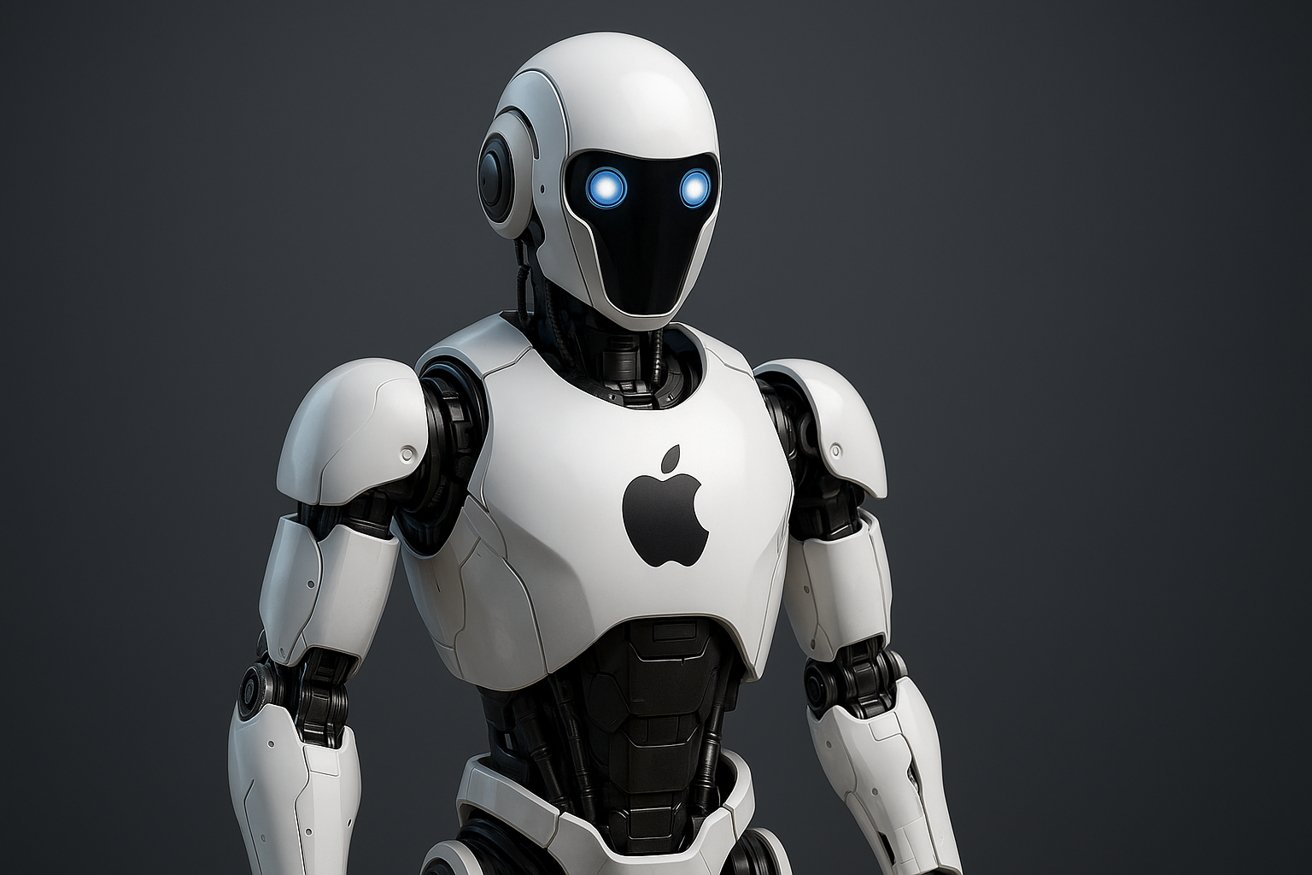
Apple's robots could eventually be humanoid
These features might include cloud processing, personalized task libraries, and dedicated software from the App Store.
In manufacturing, robotics may serve a dual purpose. Apple could use its own robots in production before offering similar systems to other companies. The approach would both test reliability and demonstrate Apple's belief in its own products.
What comes next
Apple would face intense competition from Tesla, Boston Dynamics, and a growing number of Chinese startups racing to deploy humanoid and household robots. These rivals already have products in pilot use, and some lead in pure AI research.
Morgan Stanley believes Apple's challenge lies in balancing autonomy and dexterity with its focus on reliability and safety. It argues Apple's history of integration and user trust could help it transform robots from experimental machines into desirable consumer products.
In the near term, the signs to watch are mostly software-related. Apple's upcoming Intelligence updates, AI partnerships, and continued expansion of robotics hiring will signal whether the company is serious about embodied AI.
By 2027, Morgan Stanley expects a consumer robot that doubles as a home hub and digital companion. Over the following decade, Apple could scale from tabletop systems to humanoid and industrial robots as manufacturing costs fall and AI improves.
If Apple sticks to its usual pattern, the early models will serve as the starting point for a much broader ecosystem. The network will integrate devices, software, and intelligence, extending from your pocket to your home.
The bottom line
Morgan Stanley believes Apple Robotics could grow into a business as large as the Mac by the next decade and potentially rival the iPhone by 2040. The first phase depends on Apple Intelligence proving it can support real-world reasoning.
The next will hinge on whether Apple can build a machine that feels intuitive and reliable enough to earn a place in everyday life.
If it succeeds, Apple's next revolution may not live in your hand or on your face. It may stand beside you, learning, adapting, and quietly working within the same ecosystem that already defines much of modern life.