
A drug-contaminated iPad sitting in a federal evidence locker may unlock hundreds of millions of dollars in punitive damages in the Tyler Skaggs civil trial. Here's how.
Skaggs' family has filed a wrongful death suit against the Los Angeles Angels, alleging the team was negligent in handling drug issues within the organization and failed to protect Tyler Skaggs.
Skaggs, a left-handed pitcher, died in 2019 after taking a fentanyl-laced pill provided by former Angels communications director Eric Kay. That alone would make for a high-stakes trial.
What nobody expected was that a single iPad, worth about $2,000, would become the legal hinge for potential punitive damages. The Drug Enforcement Administration (DEA) never gave the tablet back to the family, citing fentanyl contamination.
The decision, as reported by The New York Times, now sits at the center of a technical but powerful part of California law.
At its core, this is about who gets punished and how. Compensatory damages pay a family back for what they lost. Punitive damages are different, as they're meant to hurt the defendant and send a message.
California's roadblock
California makes that message hard to send in a wrongful death case. State law doesn't allow punitive damages under a standard wrongful death claim.
A jury can award money for lost income, emotional harm, and loss of companionship. But it can't use that claim alone to punish the defendant.
However, families can bring what is called a survival action. This type of claim lets the family continue certain legal rights the person would have had if they were still alive.
In California, punitive damages are allowed under a survival action only if the person suffered property damage before death. The requirement turned a common consumer device into a legal key.
The iPad at the center
Skaggs used his iPad as the surface where he prepared the drugs he later consumed. His family's lawyers argue that fentanyl residue permanently contaminated the device, destroyed its value, and turned it into hazardous waste.
If a jury agrees, that damage could satisfy the property requirement and open the door to punitive damages against the Angels. The Angels' legal team is pushing the other way.
They say any drug chopping happened on the cover, not the iPad itself. Investigators accessed the contents, which the defense treats as proof that the hardware still worked.
In their view, a working iPad with a dirty cover is not "destroyed property." It's an object that needs a cleaning wipe.
It should be noted too that fentanyl powder doesn't readily absorb through intact skin. Brief contact is extremely unlikely to cause poisoning.
The DEA twist
The DEA's involvement complicates the argument. Federal agents kept the iPad and didn't return it to the family due to fentanyl contamination.
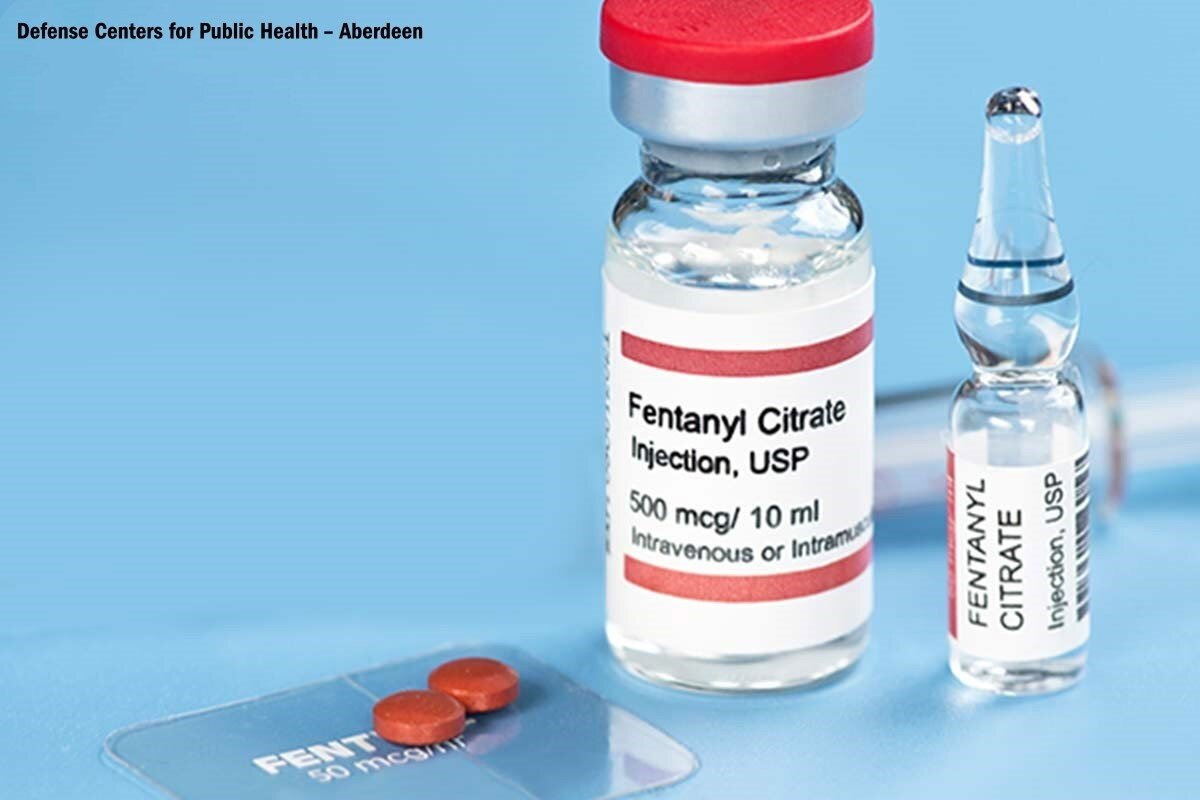
Fentanyl. Image credit: U.S. Army
From the plaintiffs' perspective, this proves the device is too dangerous to return. Keeping it locked away means the family permanently lost the use and value of the iPad, which the plaintiffs' lawyers frame as the legal equivalent of destruction.
The situation provides the plaintiffs with a narrative — a government agency, not the family's lawyers, declared the device unsafe. The Angels didn't make this decision, but they might face consequences if contamination is linked to an employee's actions.
The precedent problem
There is also precedent on the plaintiffs' side. Skaggs' lawyers point to the O.J. Simpson civil case brought by the family of Ron Goldman.
In that case, the only property damage was clothing and personal items. A jury still awarded $25 million in punitive damages. An appeals court later said that even minor property damage can support substantial punitive awards.
The presiding judge has indicated that the iPad theory is serious in the Skaggs trial. Before the trial, the Angels requested summary judgment to dismiss the claim, but the court refused.
The order noted evidence that the iPad was covered in fentanyl and couldn't be analyzed without a process that would destroy it. The DEA also refused to return it because of contamination concerns.
The decision doesn't guarantee anything for the family, but it means the jury will decide if the tablet is damaged property. It's a win for the plaintiffs by keeping the door open for a second trial phase on punitive damages.
The stakes
In a statement of damages provided earlier in the case, the Skaggs side pegged punitive damages at $400 million. It's not clear whether that is still the number they will ask for, but it gives a sense of scale.
The Angels insist there is "absolutely no basis" for any punitive award and say there is no evidence that management acted with malice or ill will.
On the other side, Skaggs' lawyers say the team failed basic duties and allowed a dangerous situation to continue. They argue that anyone who sat through two months of testimony would conclude that the Angels deserve to be punished.
If the jury decides the iPad was truly damaged property, it will have a legal path to hammer the Angels with punitive damages. If it doesn't, the family could still win money, but the punishment may vanish.