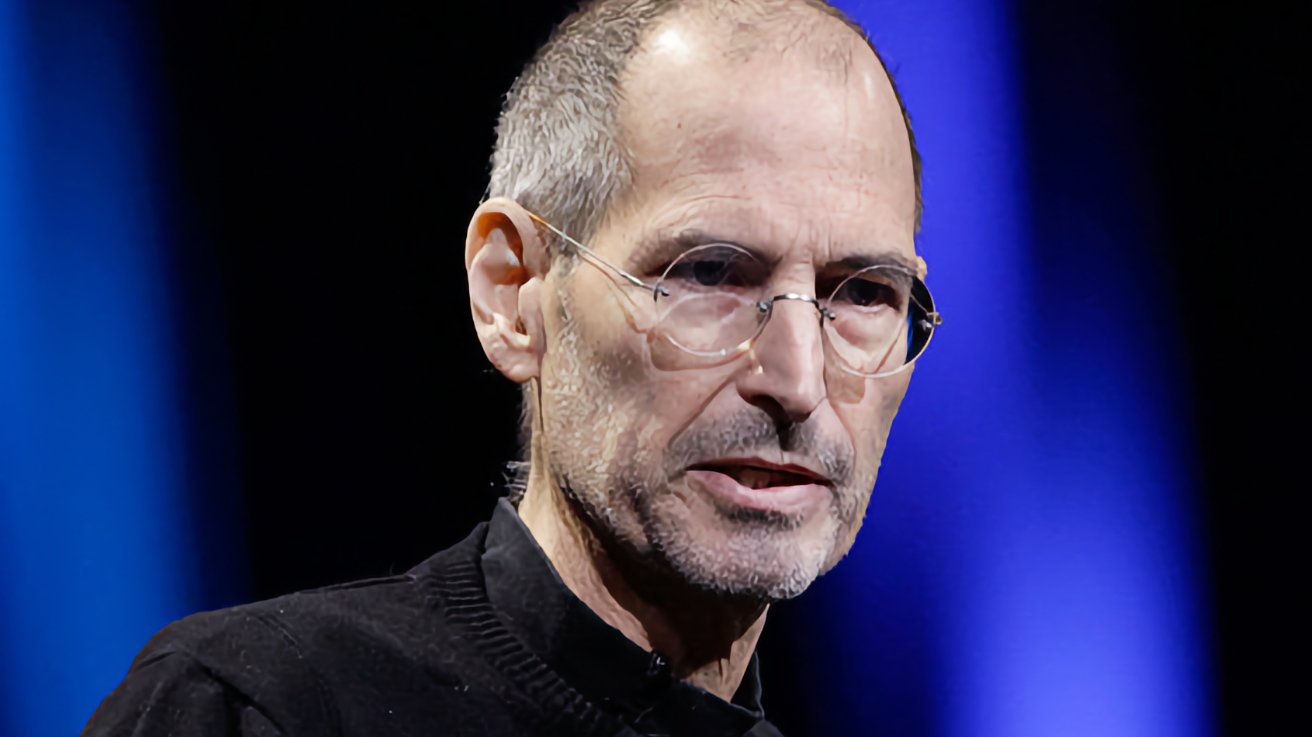
It should be remembered for the launch of iCloud, but instead the WWDC on June 6, 2011, will always be known as the last appearance of Steve Jobs at an Apple event. It was 15 years ago, today.
Even as early as WWDC 2006, there was concern over Steve Jobs's health. By WWDC 2011 on June 6 that year, there was no denying that he was looking gaunt, and that he had less energy than we were used to.
But then by this time, there was also no denial that his health was poor. He'd had leaves of absence for treatment, and Apple had stopped pretending everything was fine.
While no one really believed Steve Jobs would ever leave Apple, there was nonetheless speculation over who would be his replacement. Ultimately, that would of course be Tim Cook, but that wasn't known when Jobs stepped out onto the stage for WWDC 2011.
It is of course ridiculous to say that no one knew that this would be his last time fronting WWDC. But even amongst the rumors of succession and the news of his health, there wasn't really speculation that this could ever be the end.
What there was, though, was a standing ovation for Jobs at the start.

"Thank you," he said to the crowd. "It always helps, and I appreciate it very much."
That was it for any acknowledgement of his own situation, though, as he immediately launched into a then very familiar spiel. "We've got an awesome morning together this morning," he began.
"We're going to talk about three things today," he continued. "You know, if the hardware is the brain and the sinew of our products, the software in them is their soul, and today, we are going to talk about software."
The significance of WWDC 2011
Good or bad, strong or weak, most annual WWDC events tend to blur together over time. There are exceptions such as 2011 with Jobs, 2020 with Apple Silicon, and there will be the 2026 that will see Tim Cook's departure.
But there are some which introduce features that continue to be important to this day.
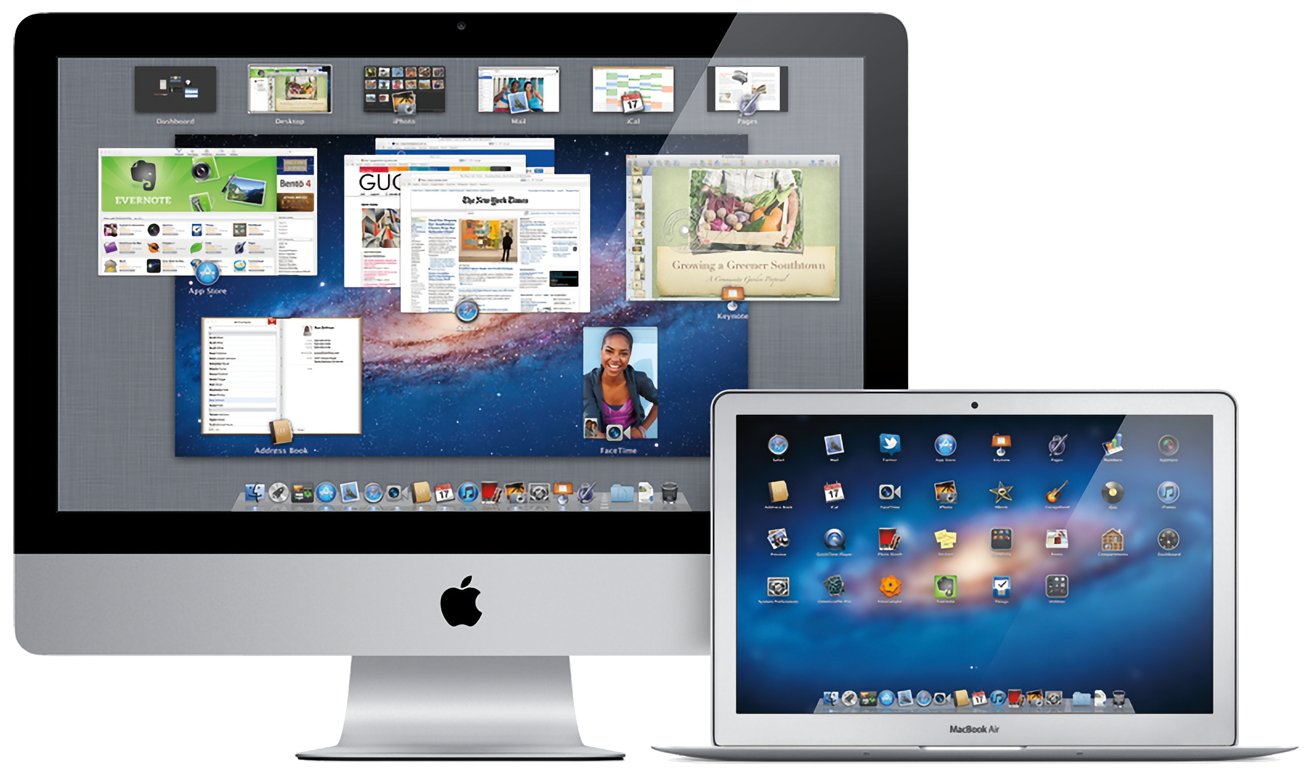
Mac OS X Lion was among the last things launched by Steve Jobs - image credit: Apple.
WWDC 2011's launch of Mac OS X Lion wasn't one of them. Good luck remembering what was in iOS 5. And if you got into the then-new iTunes Match in 2011, it feels as if Apple would really rather you now used Apple Music.
Yet central to WWDC 2011 and to Apple's whole ecosystem today, there is . Today the only times you think of it are when you have to pay for extra iCloud storage, or the document you want has been uploaded from your to there to save space.
Yet central to WWDC 2011 and to Apple's whole ecosystem today, there is iCloud. Today the only times you think of it are when you have to pay for extra iCloud storage, or the document you want has been uploaded from your Mac to save space.
In 2011, Steve Jobs had to sell us on this idea, and he had to sell it extra hard, because of Apple's previous failures in this area.
"It just works," he claimed, and you could sense the audience being dubious. "Now, you might ask, 'why should I believe them? They're the ones that brought me MobileMe.'"
"[MobileMe] wasn't our finest hour, let me just say that," he continued, "but we learned a lot."
We'll be talking about MobileMe soon enough. That in itself is a saga.
Anyway, Steve Jobs had brought us the iMac, the iPod, and the iPhone, which all in their different ways saved Apple. He brought us the iPad, too, which didn't exactly ignite the world, but still it became ubiquitous and no rival tablet has come close to matching it.
But there is a good argument that iCloud should be right up there with those achievements. That's because what is something no one has to think about today, it is an enormously important part of Apple and it was the last thing Jobs managed to pull off.
Apple launched iCloud at WWDC 2011 - image credit: Apple
It's impossible to imagine now how you used to have to plug your iPod into your Mac to copy music across. Or that there were ways to store contacts on that device, but they again needed a physical connection.
Doubtlessly many at Apple wanted a better solution, but Jobs was one who'd already experienced the benefits of a seamless network. The networks that were run at his NeXT company meant you could turn to any Mac and carry on working as if it were your own.
Jobs wanted that for users, and in 2008, he nearly had it. Nearly. That was when MobileMe launched, and as a measure of how crucial such a part of the Mac and iPhone is, there's Jobs's reaction to its launch.
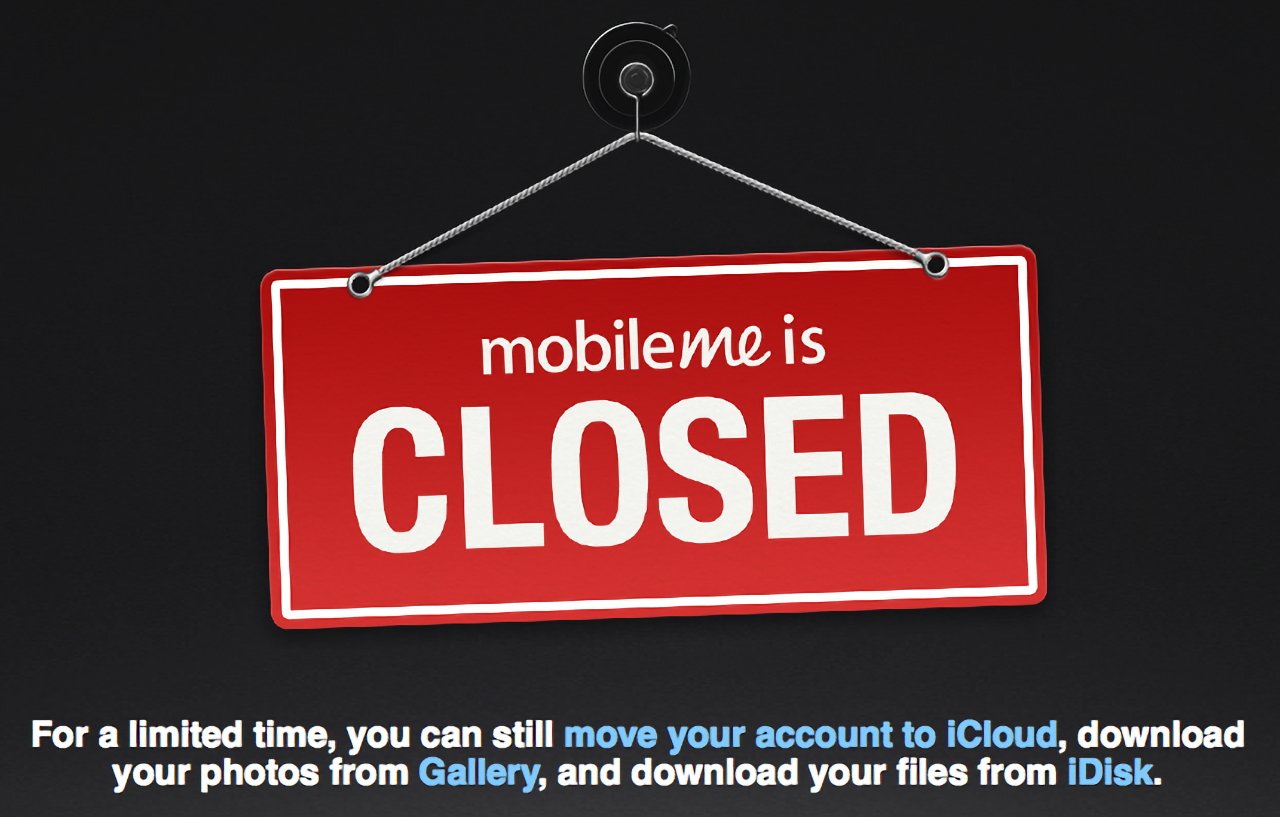
It took a time for Apple to move everyone over from the disastrous MobileMe to iCloud, but it eventually shuttered the old service.
As reported by Fortune magazine, coincidentally just ahead of his last WWDC, MobileMe was an immediate disaster. So much so that after its launch in 2008, Jobs held a meeting with the team behind it, and asked them what it was supposed to do.
When one brave soul described this idea of seamless integration between devices, Jobs said "so why the f*** doesn't it do that?"
"You've tarnished Apple's reputation..." he reportedly continued. "You should hate each other for having let each other down."
So when he announced its successor on that WWDC 2011 stage, he wasn't kidding about its history.
On that day, he talked about how everything synced and "I don't have to be near my Mac or PC." He doubled down on how easy it was to use too, saying "There's nothing new to learn, it just all works."
As was always the case when Apple did WWDC events live, there was of course a demo. There were several demos, including Eddy Cue very briefly showing how Photos now synced.
Some of the demos seemed a little trivial, such as photos, while others seemed obvious, such as email being pushed to all devices simultaneously. Today all of it seems like the way it must always have been, because it's the way it should be.
Reality distortion field
That was what Steve Jobs had always been good at. He could make you convinced that of course Apple was the right company to make a phone, despite never having done one before.
He could sell you on Wi-Fi so much that the entire technology industry adopted it.
And here he was presenting the result of the same ideas he had been talking about when he returned to Apple.
In all, Steve Jobs presented about a quarter of that two-hour WWDC 2011, with Phil Schiller doing the majority of the rest. Jobs may have looked ill at the start, he may have seemed less energetic, but he was no less persuasive than he always was.
He would just never be that persuasive on stage again, or at least, not at an Apple Event.
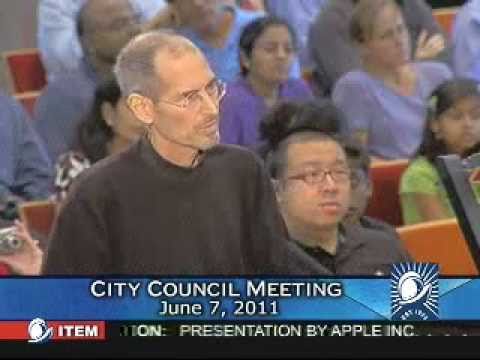
Jobs did do one more thing after WWDC 2011. The very next day, he pitched to the Cupertino council for permission to build Apple Park.
He would never see the work on the building even started.