

Apple may be forced to pay $38 billion under India's antitrust laws that allows it to go after a percentage of a company's global revenue. The real fight is over leverage, and who has power.
India changed its competition law in 2024 to let regulators calculate penalties using a company's global turnover rather than domestic revenue. That shift exposes Apple to a maximum penalty of up to 10% of its worldwide revenue for the last three fiscal years.
Apple filed a constitutional challenge in the Delhi High Court before any ruling in its ongoing antitrust case. Investigators previously accused Apple of abusive conduct in the Indian app market after complaints from Match Group and several Indian startups.
Match Group and smaller developers claim Apple's in-app payment rules harm competition. They argue, as reported by Reuters, that all transactions must go through Apple's system, with fees reaching 30%.
Apple denies any wrongdoing.
Apple's argument
Apple portrays itself as defending fair penalties in the case and protecting fairness for developers. Apple's lawyers argue that fines based on global turnover are arbitrary and disproportionate in scale.
The filing claims a company should face penalties only for revenue earned in the market. That argument sounds reasonable until you look at Apple's incentives.
Services revenue depends on tight control over payments and billing. Losing that control in one major market makes it harder to keep the same model elsewhere.
A global-turnover rule could spread to the European Union, Japan, South Korea, and the United States. Apple would face unified regulatory pressure instead of regional skirmishes.
The company calls the law unfair because it scales punishment to the size of the company. However, that framing ignores the fact that Apple enjoys global benefits when enforcing exclusive payment systems.
Apple wants worldwide reach when collecting fees and local treatment when penalties appear.
India's motives
India portrays the law as a tool to protect competition and support local developers. Officials claim consumers will gain from better pricing and more choice.
The country also wants Apple to expand manufacturing. Production of the iPhone 16 lineup already shifted in part to Indian facilities, and government leaders promote that growth as a national success.
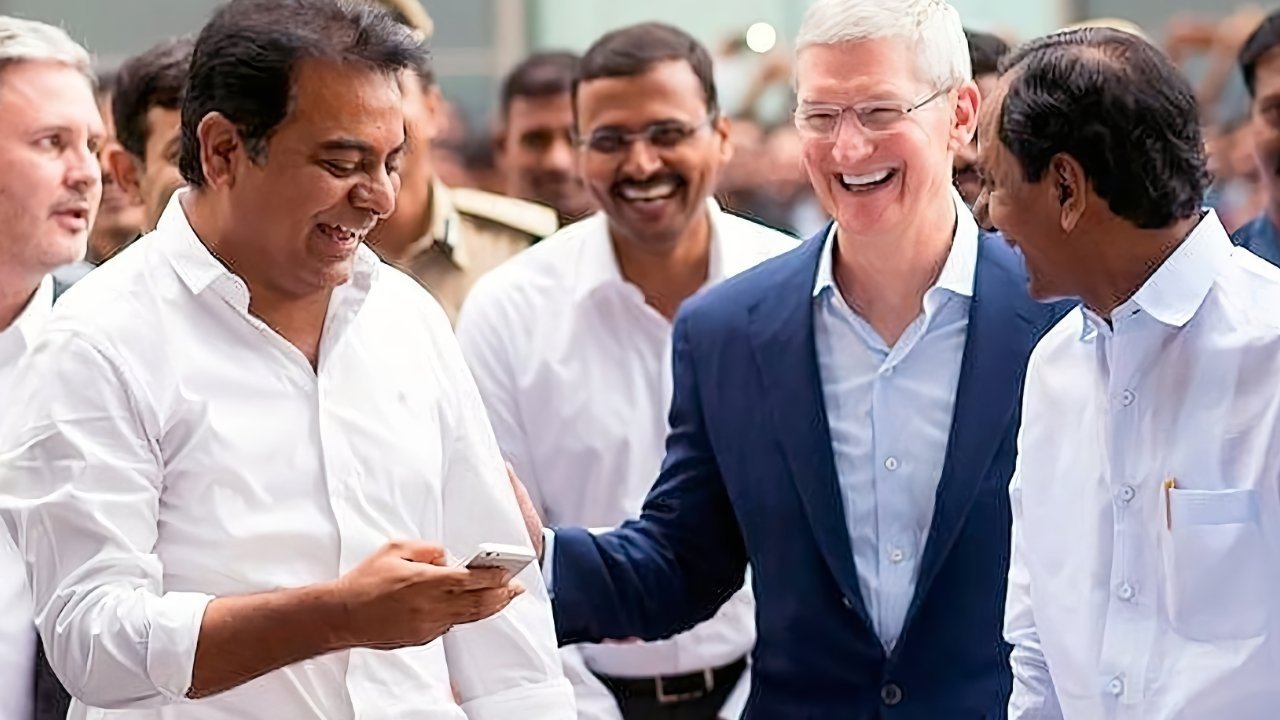
India portrays the law as a tool to protect competition and support local developers.
Public pressure on Apple positions India as a strong regulator while still courting investment.
A headline number like $38 billion helps build that image. Even if a fine never reaches that level, the figure makes India look like a global enforcer.
Retroactive use of the rule in an unrelated case triggered Apple's urgency. Applying a new penalty framework to conduct from a decade earlier raises concerns about arbitrary enforcement and legal unpredictability.
Developers caught in the middle
Developers have waited years for relief from high fees and payment rules. Many joined antitrust complaints with the hope of seeing real changes. Neither side focuses on lowering commissions or opening payment access in practice.
Match Group joined the case for practical reasons. Its dating apps rely on in-app payments, and Apple's fees reduce subscription revenue significantly.
Match also wants control over billing to raise margins and gain customer data access. India offers a rare chance because regulators may base penalties on Apple's global revenue, not just its local business.
Such pressure could force changes Match hasn't won in the U.S. or Europe.
Investors watching the fallout
Services revenue has become a core part of Apple's financial story. Investors view it as stable, recurring income, and regulatory pressure that scales globally could change that narrative.
A fine tied to global turnover introduces uncertainty. Other regulators may adopt similar approaches, and markets dislike unpredictable enforcement and retroactive penalties.
India's stance risks discouraging foreign investment if companies believe rules can change without warning. The case may complicate India's attempt to grow as a manufacturing hub.
Court hearings start in December, and a ruling could influence how regulators manage multinational companies. If India succeeds, global-turnover fines might become a model for other regions.
Apple could negotiate concessions to avoid harsher outcomes. Developers may gain some access to alternative payment systems, though likely with restrictions.
If the fight ends with a settlement that preserves revenue streams and political victories, developers remain stuck. Control, leverage, and the ability to set global rules remain at the center of the dispute.