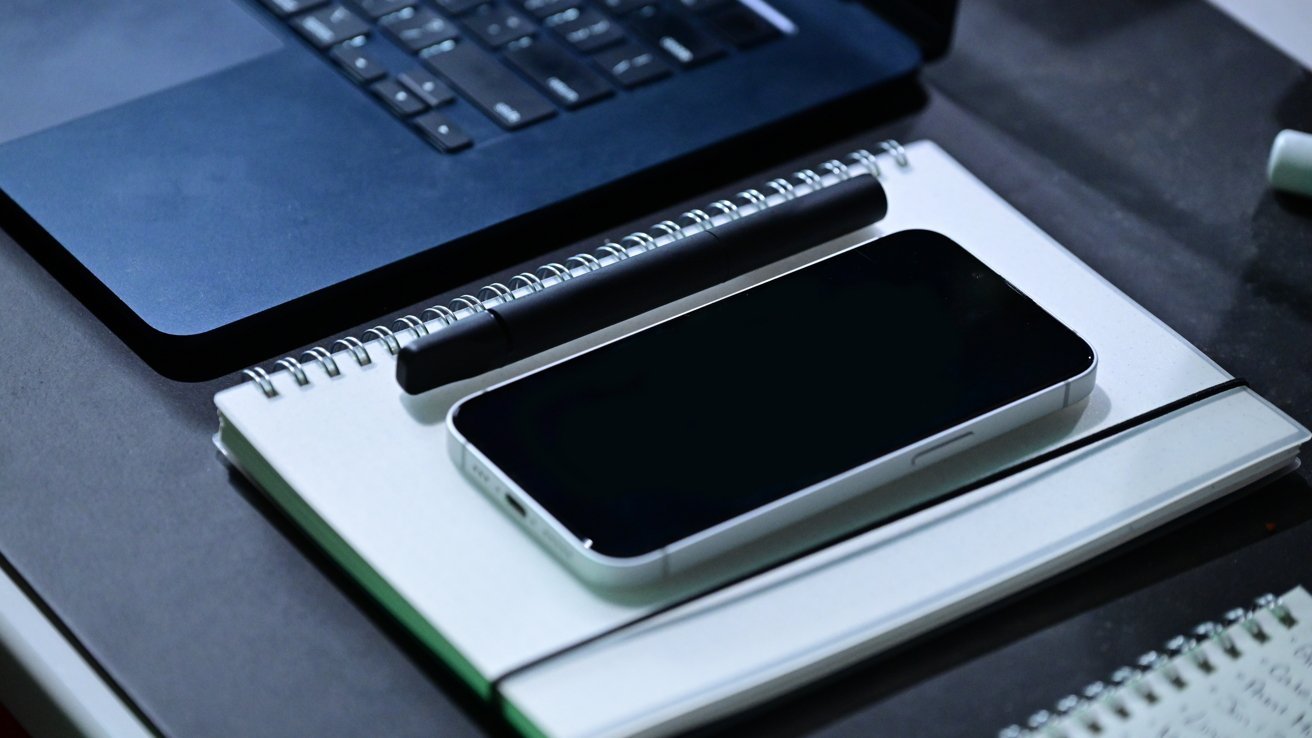
The display of the iPhone 17e will be allegedly practically the same as the one used in the iPhone 16e, except the OLED panel in the upcoming model will apparently have thinner bezels.
Like the iPhone SE line, the iPhone 16e helps achieve its low cost by reusing components from earlier iPhone models. That pattern is set to continue with the next iteration, the iPhone 17e.
In a report about Chinese display maker BOE securing orders for the model's display, The Elec says that the iPhone 17e OLED is expected to reuse the same specification 6.1-inch OLED panel from the iPhone 16e. However, Apple will also be "thinning the bezel" on the component at the same time.
While this would normally be a big change in the design of the display, the report believes it to be easily achievable by Apple. If the panel's circuitry has already been designed with enough space in the bezels to accommodate a thinning of the bezels, doing so would not need an expensive panel redesign at all.
Another thing that isn't changing is its use of low-temperature polycrystalline silicon (LTPS) thin-film transistors (TFTs) for the display technology. This again mirrors the use seen in the iPhone 16e.
All other iPhone 17 models use low-temperature polycrystalline oxide (LTPO) TFTs, which enable the variable refresh rate of ProMotion. If this detail is true, the iPhone 17e will still be the only model in the roster without ProMotion support.
Previous rumors about the iPhone 17e include some vague claims it will use Dynamic Island instead of the notch, that it will probably use the A19 chip, and it could reuse the iPhone 16e's chassis.
Sources believe that Apple will be planning to ship approximately 8 million iPhone 17e units in the first half of 2026. This may actually be a little low for Apple, as it usually ships about 20 million units of its iPhone SE and iPhone E models in their first year after release.
BOE leading production
The report added that BOE has been selected as the first vendor of OLED panels for the iPhone 17e, due to ship early in 2026. Sources say BOE has secured the largest volume of OLED panels for the model, but Samsung Display and LG Display will make up the remainder of the supply.
BOE was also the primary vendor for the iPhone 16e, again flanked by Samsung Display and LG Display. For its other models, Samsung and LG are the chief suppliers, partly because BOE has not yet managed to achieve stable mass production of LTPO panels.
The Elec is generally a good source of information about Apple's supply chain intentions, but it isn't as accurate when it comes to specifications and speculation. The main point about the reuse of the iPhone 16e display does seem plausible, given Apple's preference to reuse components in its budget-focused models.