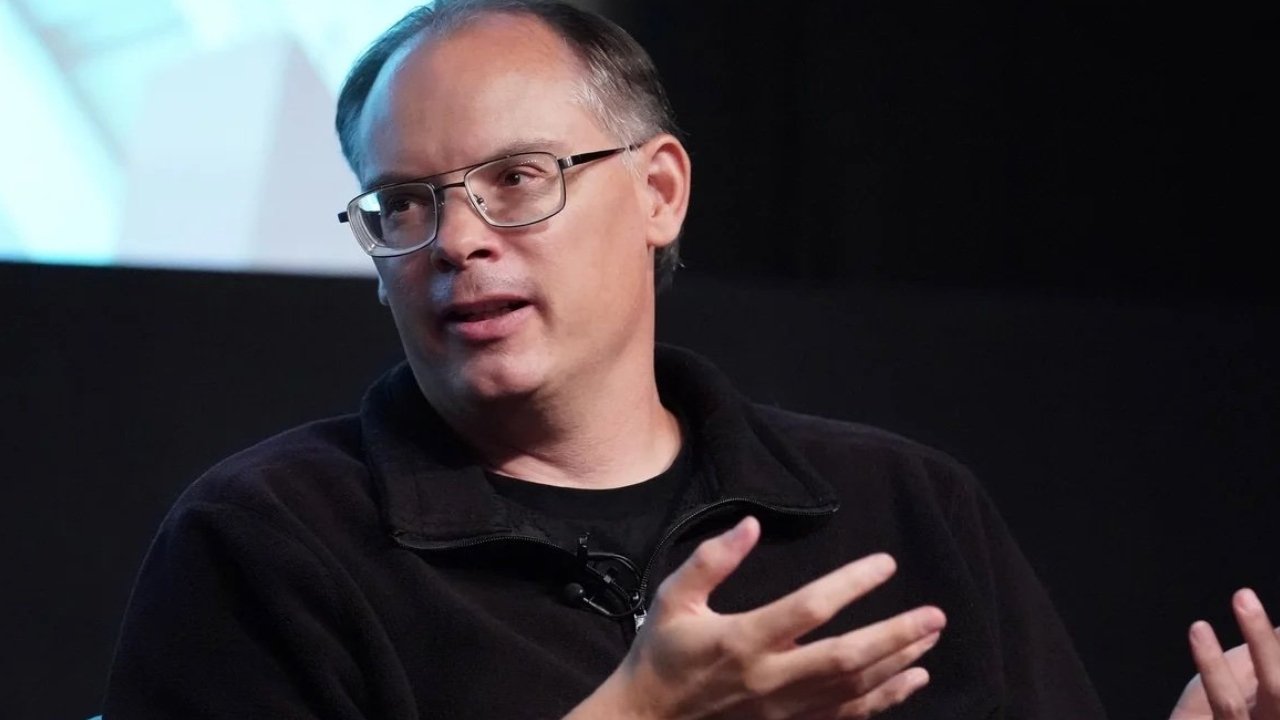
As the court directs Apple and Epic Games to discuss appropriate App Store fees, CEO Tim Sweeney has made it clear that he'll never back any profit sharing.
Despite mostly losing its appeal against previous court rulings, Apple has won the argument that it should be paid a commission when apps are sold through a third-party app store. However, the court has told Epic Games and Apple to agree a reasonable rate between them.
Speaking after the court ruling, however, Epic Games CEO Tim Sweeney was blunt about how such negotiations would go. In an interview with The Verge, Sweeney said that this must be the end of what he called Apple's "junk fees."
"If you want to have an app go through review with custom linkouts, maybe there's several hundred dollars of fees associated with that every time you submit an app," he says, "which is perfectly reasonable because there are real people at Apple doing those things and Apple pays them, and we should be contributing to that."
"I can't imagine any justification for a percentage of developer revenue being assessed here," he continued.
Sweeney further described the court ruling as "really awesome for all developers." In part, that was specifically because it "completely shuts down, I think, for all time, Apple's theory that they should be able to charge arbitrary junk fees for access."
The Epic Games CEO regularly makes this same "junk fees" argument, while generally disparaging Apple as being a "gangster-style" business. His allowing for fees to be paid where "real people" are working, is newer, but it's also disingenuous.
It ignores all of the "real people at Apple" who did real work creating the App Store platform. It ignores the people who keep the platform running, and so on.
Sweeney further expects that the court upholding the majority of the previous ruling will lead to overseas regulators banning percentage fees. "Why on earth would any self-respecting country in the world allow Apple to charge fees that the United States court has found to be illegal in the United States?" he said
What happens next
This appeal ruling follows Judge Gonzalez Rogers banning Apple from charging any commission, not just its prior 27% rate. The spirit of Judge Rogers' ruling has been upheld, the appeals court solely disagreed with the total ban.
Credit: Epic Games
In effect, what the court has ultimately now said is that Apple and Epic Games need to negotiate. The actual text of the full ruling, however, describes this as "one possibility."
"The district court may determine how best to make the referenced determination," it says, "but one possibility includes inviting the parties to provide expert testimony based upon which it would determine the appropriate fee or commission to be chargeable for Apple's actual costs of providing services for linked-out transactions."
"The district court might also consider whether to establish a 'Technical Committee'... to aid it in determining a reasonable fee and/or commission that Apple can charge for linked-out purchases," it continues.
So really the burden is now on the district court, and specifically on Judge Rogers. But it's likely that Apple and Epic Games will at least have an opportunity to negotiate terms.
Should they fail, or should they not be allowed to do this, then it's not clear what the district court will do next. There is no indication in the published ruling over a deadline for the next stage in the dispute.
Until such a fee or fee system is agreed, though, the original ruling remains in force. So Apple still cannot charge any commission at all on apps sold outside of its App Store.