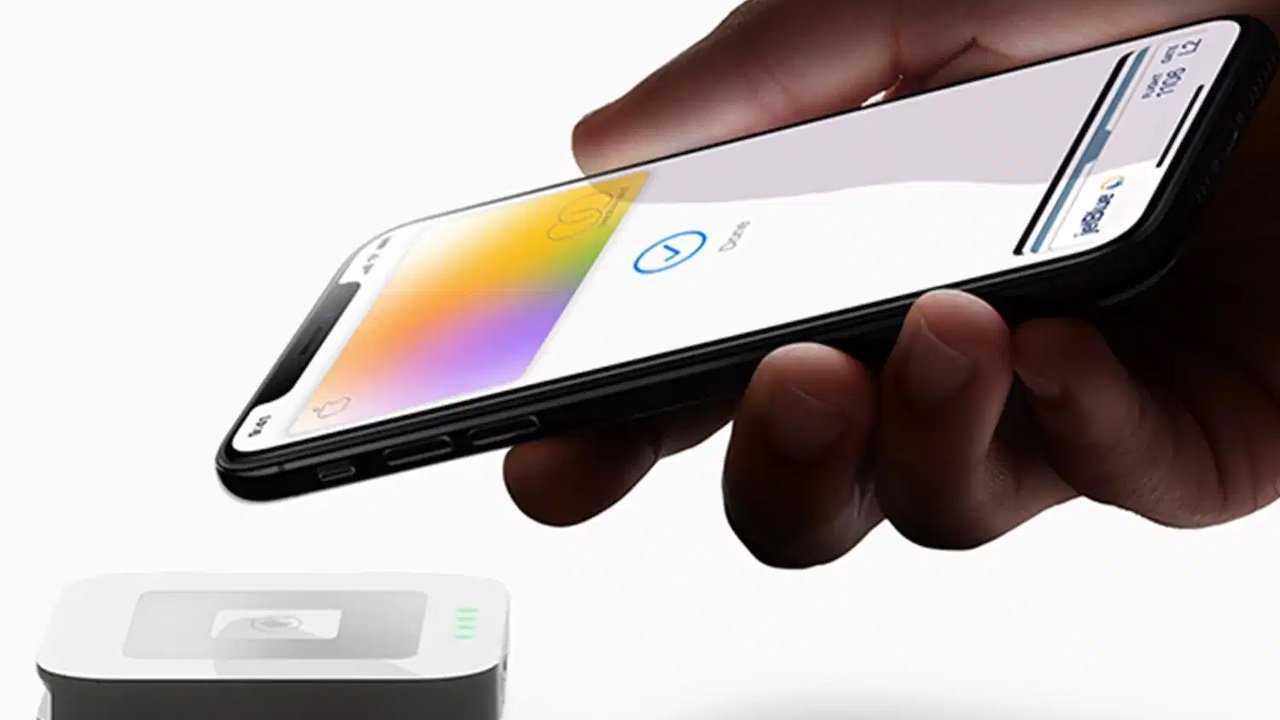
Australia's Commonwealth Bank wants the country's government to force better terms on Apple for letting rivals use its Apple Pay-style NFC systems on iPhone.
For years, the Commonwealth Bank of Australia (CBA) has pressed for third-party firms to be able to use iPhone NFC for payments — and then in 2024, it got what it wanted. At that time, Apple opened up its NFC technology to countries including Australia and the US, after having been forced to do so for the European Union.
According to Australia's Financial Review, though, the CBA wants more. And since the Reserve Bank of America (RBA) has now been granted more powers to oversee digital wallets, the CBA says it should step in to ensure what it calls "reasonable" terms.
The CBA has made this point to a parliamentary committee which is investigating the issue. The economics committee in Australia's House of Representatives will next hold a public hearing in late February.
That committee is looking to determine whether the current payment systems are "fair and accessible." It's expected that representatives from Apple will be asked to attend the hearing.
Apple Pay in Australia
Strictly speaking, Apple Pay launched in Australia in 2015, but it was limited to American Express users. It wasn't until April 2020 before Westpac became the last of Australia's "big four" banks to support Apple Pay.
Even before then, though, Apple Pay had become the most popular contactless payment system not issued by a bank. At that point, Apple Pay was being used by 6.5% of Australians — when only 10.8% of the population was using any such system.
Right away, then, Apple Pay was being preferred by consumers, doubtlessly because of its designed ease of use, but the CBA was a lot less happy.
That's because of the fees that Apple charges per transaction. The precise rate changes depending on the type of transaction, but in 2019 Banking Day estimated that Apple charges between 4 and 6 cents on an Australian $100.
It's likely that this remains the rate when Apple Pay is used, and so banks of course want to find ways to pay less, or to retain more for themselves. Now that they are allowed to use Apple's NFC systems with their own payment platforms, they can choose what they charge.
However, at present companies must apply to Apple for approval to do this. They must also pay Apple for the privilege, and the rates for this have not been published.
The rates are clearly more than the banks want to pay, hence the CBA's continued attempts to get it lowered. While it's only speculation, one suggestion is that Apple may charge the same as it does for using Apple Pay, in order to dissuade banks and customers from switching.
Separately, Apple brought its Tap to Pay on iPhone system of contactless payments to Australia back in 2023.