The UK's Competition and Markets Authority has extracted promises from Apple and Google over their App Stores, really just bringing over the same features already in place in Europe.
While the UK is no longer part of the European Union, its regulators have been slowly copying the EU's initiatives regarding Big Tech. In October 2025, for instance, the UK's Competition and Markets Authority (CMA) designated Apple and Google as having "strategic market status."
That's a synonym for the EU's gatekeeper term, and just as with the European Commission, the UK's CMA has given itself the right to regulate Apple and Google. According to Reuters, the CMA has announced proposals that will see the two firms now complying with its demands over making app stores fairer.
"Following designation of Apple and Google's mobile platforms in October last year," said Sarah Cardell, CMA chief executive, in a statement, "the CMA has moved swiftly to secure a package of commitments from Apple and Google that will boost the UK's app economy, giving developers the opportunity and confidence they need to invest and innovate."
Specifically, the CMA says that Apple and Google will now review submitted apps in what is described as a fair, objective and transparent way. Similarly, just as with the EU and the latterly the US, developers will be able to request access to iOS features such as the NFC technology for digital wallets.
What the CMA is demanding
The CMA has outlined both what it is telling Apple and Google to do — and how it will monitor that they do this. According to the CMA, the commitments from the companies include:
- App review
- App ranking
- Data collection
- Interoperability
Central to the app review commitment is that the companies cannot favor their own apps, or discriminate against ones that compete with those. Similarly, the app ranking requirement is that rival apps get treated equally to the companies' own ones.
Under data collection, the companies are required to safeguard developer data, and not exploit that data unfairly.
To ensure that Apple and Google do what they say, the CMA reports that it will closely monitor the two and report publicly on what it finds. The two companies have agreed to provide data on:
- Proportion of apps approved, rejected, and appealed
- Time taken for app review
- Number of app review complaints received
- Number of interoperability requests and outcomes
How the companies have reacted
Google has responded that it believes its practices are already compliant, but welcomes the CMA's comments.
Apple similarly shrugged, saying that these commitments to the CMA "allow Apple to continue advancing important privacy and security innovations for users and great opportunities for developers."
The company added that it faces "fierce competition in every market where we operate, and we work tirelessly to create the best products, services and user experience."
What this means for users
This appears to be the UK regulator scoring an easy win, being able to say it got Apple and Google to obey its instructions.
"The ability to secure immediate commitments from Apple and Google reflects the unique flexibility of the UK digital markets competition regime and offers a practical route to swiftly address the concerns we've identified," said the CMA's Cardell.
"These are important first steps while we continue to work on a broad range of additional measures to improve Apple and Google's app store services in the UK," she continued, "for example by enabling more choice and innovation in digital wallets, boosting the UK's fintech sector and potentially supporting the roll out of digital IDs."
For users are unlikely to see any difference if there actually are any changes made to Apple or Google's app review processes.
Developers might find a difference, and the business of being able to request access to NFC and other technologies could be a boon. There's no actual requirement for Apple to grant it, though the CMA says it will consider requests "fairly and objectively."
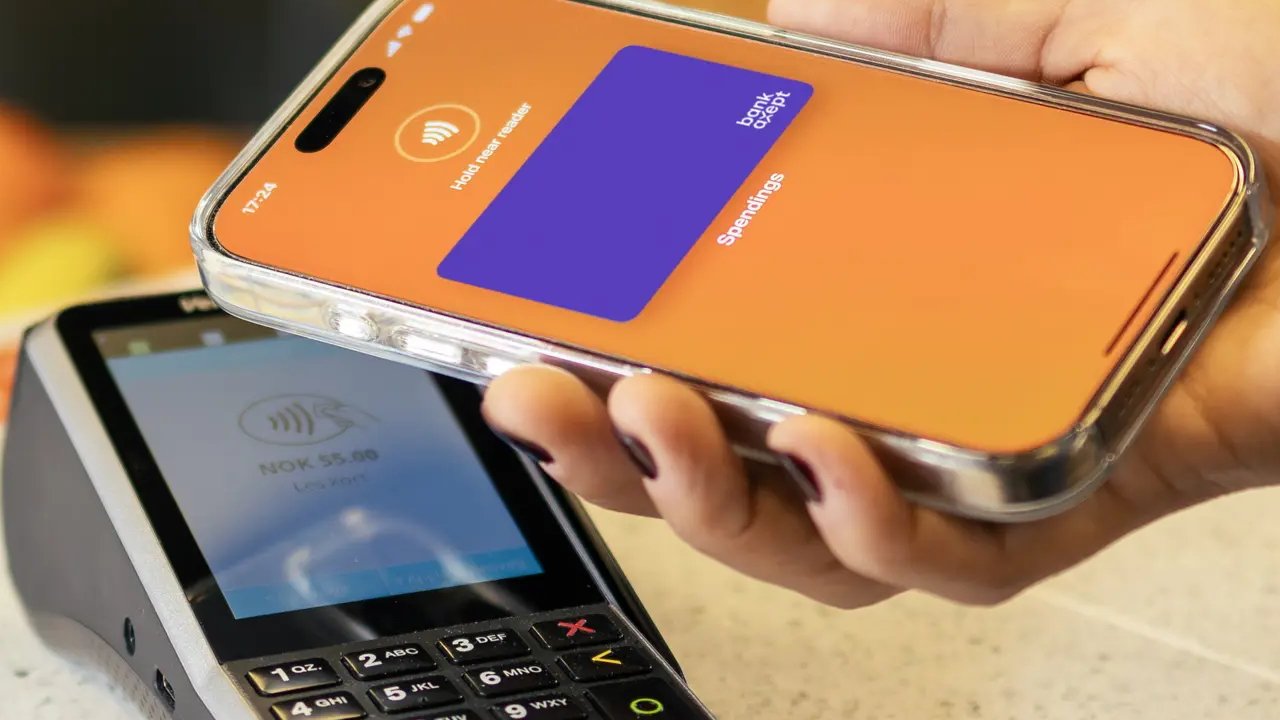
Norway's Tap to Vipps works exactly the same way that Apple Pay does — image credit: Vipps MobilePay
So far there is no data about how many firms have requested such access in the territories where it has been allowed. Norway appears to have used it to createthe world's first Apple Pay alternative back in 2024, and PayPal launched contactless payments in Germany in 2025.
What happens next
The CMA describes its announcement as being proposed commitments. It says that views are welcome by 17:00 GMT on March 3, 2026, although it rather buries how you submit those views in a blog and accompanying set of supporting documentation.
Depending on the views submitted, the CMA says that its proposed commitments will take effect from April 1, 2026.
Previously, the UK's CMA has claimed that Apple stifles competition between browsers on the iPhone. However, it has so far chosen not to create regulations to force any changes.