Apple's updated M5 Max 16-inch MacBook Pro can cost you as much as $7,349. Fortunately, unified memory upgrade tier prices are the same as last year, even as RAM prices skyrocket.
The 16-inch MacBook Pro with the M5 Max chip can be configured to cost up to $7,349, making it a top-tier mobile workstation. Apple rolled out the updated MacBook Pro lineup on March 3, featuring the M5 Pro and M5 Max chips.
These updates also include expanded memory bandwidth to support professional workflows.
Apple's M5 Pro and M5 Max are positioned for AI-heavy workflows, advanced video production, and large-scale code compilation, despite rising component costs. The company's strategy focuses on unified memory upgrades rather than a price ceiling.
16-inch MacBook Pro price breakdown — M5 Max, 128GB unified memory, 8TB SSD
The $7,349 configuration includes M5 Max, 128GB of unified memory, 8TB of SSD storage, and the nano-texture display option. Buyers selecting this version are choosing every available hardware upgrade.
M5 Max is the only chip option supporting 128GB of unified memory. Lower configurations top out at smaller memory tiers, making M5 Max the required path for customers who need maximum RAM headroom.
MacBook Pro unified memory pricing remains consistent amid global DRAM and NAND shortages
Apple hasn't released a standalone memory pricing chart, but when you compare configurations, the jump to higher unified memory tiers is similar to previous M-series models. The pricing for 64GB and 128GB options doesn't show a noticeable increase with the M5 transition.
Industry-wide memory costs are rising, with manufacturers now paying roughly twice as much for RAM and flash storage as in 2025. Prices are reportedly up to 10 times higher than in 2020 as production capacity shifts toward AI-focused high-bandwidth memory.
Unified memory remains integrated into Apple Silicon, which means buyers can't upgrade RAM after purchase. Keeping pricing steady at higher tiers reduces additional pressure on professionals who have to lock in their long-term memory needs at checkout.
MacBook Pro vs Dell Precision, HP ZBook, Lenovo ThinkPad P-series pricing comparison
A $7,349 laptop stands out in the consumer market, but it's far less unusual in the workstation category. Dell Precision, HP ZBook, and Lenovo ThinkPad P-series systems sometimes pass or meet $6,000 when configured with top CPUs, professional GPUs, 128GB of RAM, and multi-terabyte NVMe storage.
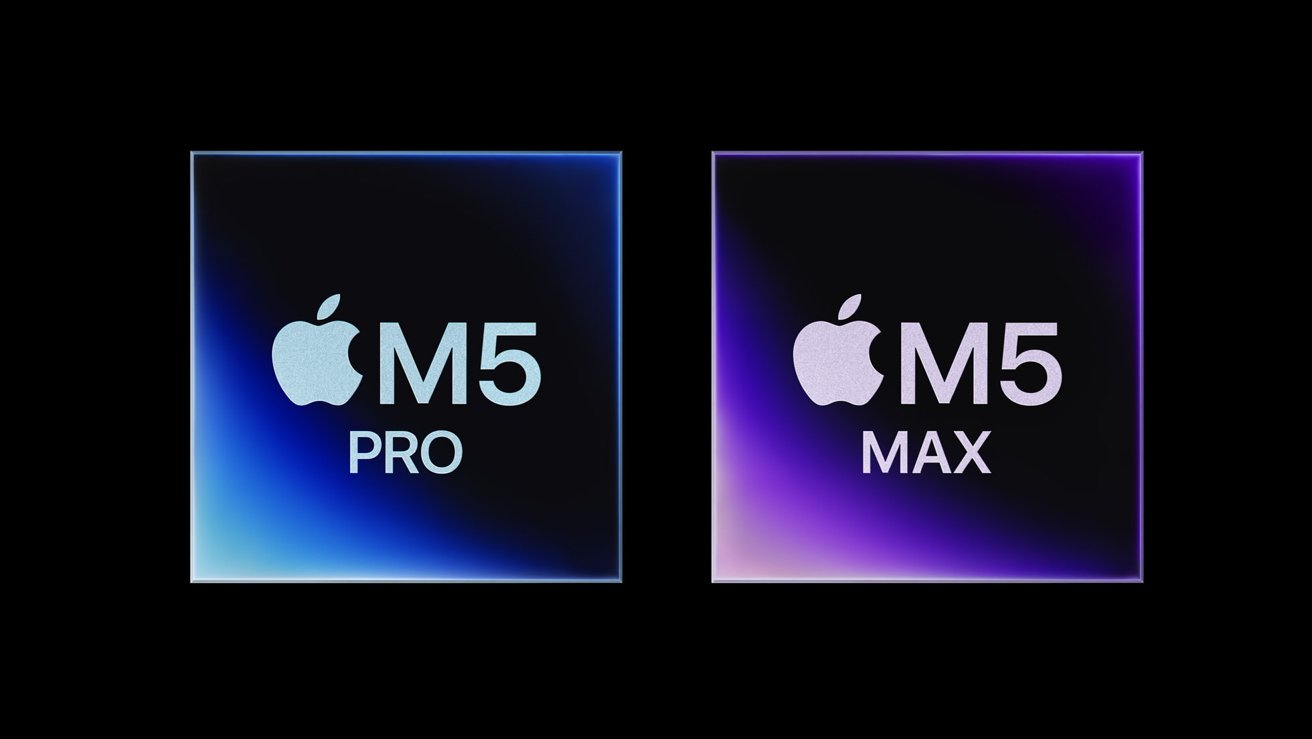
M5-series chips
High-end mobile workstations have occupied that pricing range for years. Apple's fully loaded 16-inch MacBook Pro lands in the same territory.
The difference comes down to architecture, with Apple Silicon integrating the CPU, GPU, and unified memory into a single package. Instead of pairing a processor with a discrete Nvidia or AMD graphics card, Apple builds everything into one unified system.
Who needs a fully maxed 16-inch MacBook Pro in 2026
Most professional buyers won't spend $7,349 on a MacBook Pro. The entry and mid-tier 16-inch models are thousands less expensive and still offer great Apple Silicon performance.
The fully maxed version is perfect for buyers dealing with memory-bound or storage-heavy tasks. Developers compiling large codebases and video editors cutting 8K timelines will find it especially useful.
Audio professionals managing extensive sample libraries and researchers running local AI models are also likely candidates.
Apple's pricing structure with the M5 update sticks to the same upgrade logic as previous Apple Silicon generations. The price ceiling is still high, but the unified memory tiers haven't gone up.