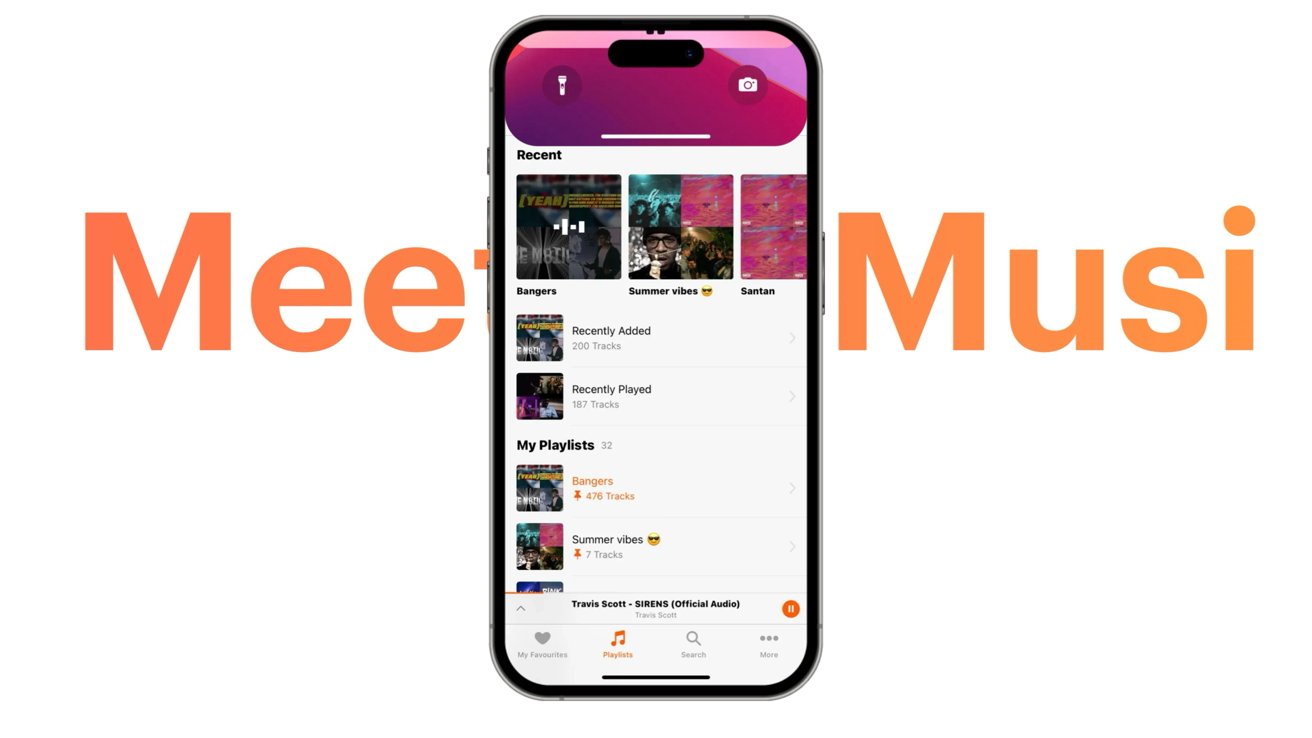
A lawsuit from music streaming app Musi suggested Apple had removed its app over unsubstantiated copyright claims, but after what appears to be a colossal failure by the streamer's lawyers, the case has been dismissed by courts with prejudice.
Apps are removed from the App Store for many reasons, some less clear than others. However, a judge just ruled that Apple can remove an app from the App Store, "with or without cause."
It's a significant win for Apple that sets precedence for future potential lawsuits. US District Judge Eumi Lee didn't just rule in Apple's favor — he tore Musi's case apart on multiple levels.
Not only did the case get dismissed with prejudice, which means Music can't attempt to refile the claim, but all the fees and costs were handed to Musi. Also, the judge shared that Apple's developer agreement was clear — Apple can "cease marketing, offering, and allowing download by end-users of the app at any time, with or without cause, by providing notice of termination."
After some fallacious legal reasoning by the attorneys, Musi tried to get the judge to have the lawyers pay fees and fines. The judge didn't buy that argument either.
The judge clearly affirming the language of Apple's agreement gives Apple precedence in case future removals spark lawsuits. Apple is a private entity and is allowed to choose exactly what is distributed on the App Store.
Musi's troubles
The Musi app wasn't taken down without reason, regardless of what the Musi developers may have claimed. YouTube had to file multiple complaints with Apple about copyright violations and the misuse of private YouTube technology.
Basically, Musi was operating a free music streaming service without interacting with copyright holders. Apple not only removed the app from the App Store, but made it so the app was offloaded from user devices after an update.
It is easy to find apps on Android that can stream music illegally, or at the least, via incredibly sketchy means. Such apps pop up on iOS from time to time, but are often squashed quickly.
Musi's existence was an oddity that Apple corrected. And now, as the judge ruled, Apple can do so again without concern when similar apps attempt to take its place.