
OpenAI is working on a project to consolidate ChatGPT, coding tools, and a browser into one app. Apple's iOS platform restrictions will prevent it from becoming a true all-in-one platform on the iPhone.
OpenAI wants to merge ChatGPT, Codex, and a browser into one desktop app centered on agentic AI. Naturally, the focus is on desktop platforms and the ChatGPT app on iPhone will stay the same as a result.
An app like that behaves very differently depending on where it runs. On iPhone and iPad, Apple tightly controls how software accesses the system and interacts with other apps.
As a result, an all-in-one experience can only go so far because Apple's App Store is structured around clear boundaries. An app is expected to perform a specific task, behave predictably, and remain associated with a single developer.
However, this structure becomes challenging when an app attempts to function like a platform. A superapp consolidates multiple experiences into a single interface, and some of these experiences can evolve over time or load dynamically.
Apple doesn't like apps turning into platforms
Apple has invested years in refining rules regarding mini apps and embedded services. The company's approach ensures that every experience remains visible, reviewable, and attributable.
OpenAI's goal with agentic AI is to have software perform tasks across different contexts, but iOS is designed to stop that kind of behavior. Apps on iOS run in strict sandboxes with limited permissions, which restricts their interaction with other apps or access to deeper system features.
Specifically, section 4.7 of the App Review Guidelines concerns chatbots, mini apps, streaming games, and other categories of apps.
Apps may offer certain software that is not embedded in the binary, specifically HTML5 and JavaScript mini apps and mini games, streaming games, chatbots, and plug-ins. Additionally, retro game console and PC emulator apps can offer to download games. You are responsible for all such software offered in your app, including ensuring that such software complies with these Guidelines and all applicable laws.
Apple consistently leverages section 4.7 against super apps.
An AI agent in an iPhone app can suggest actions or put together steps, but it can't execute them on its own. Background activity is also limited, and persistent automation across apps is mostly blocked.
OpenAI's plan, as reported by The Wall Street Journal, depends on integrating a browser so the AI can read and act on web content directly. Apple keeps tight control over how browsers behave on iPhone and iPad.
All browsers are required to use Apple's WebKit engine, which standardizes behavior while limiting how much a third-party browser can differ from Safari. Developers can't ship a fully independent browser stack with deeper system integration under current rules.
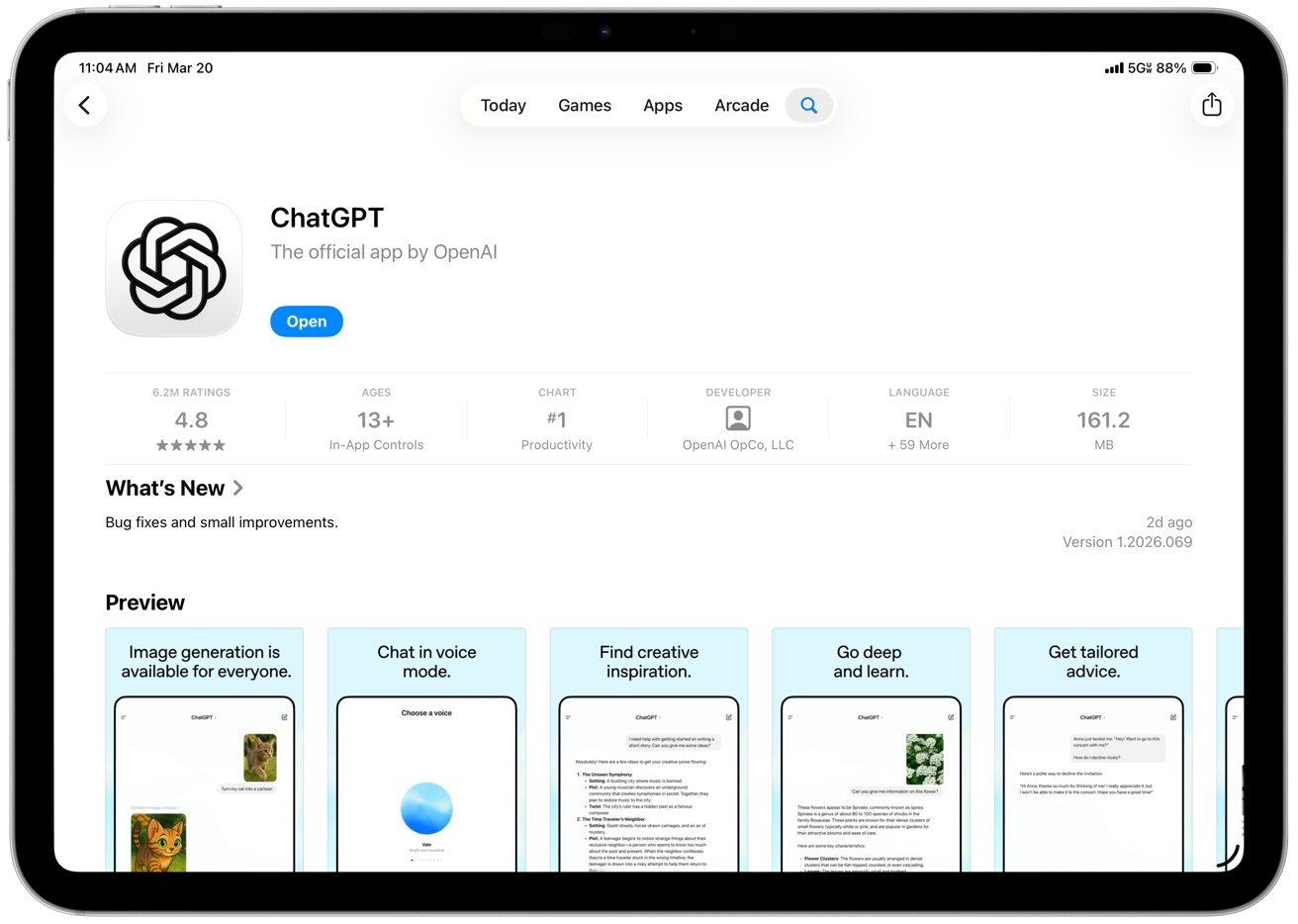
OpenAI's goal with agentic AI is to have software perform tasks across different contexts
A superapp usually depends on deeper control over how content is loaded and acted on. On iPhone and iPad, that control is capped, so the browser becomes more of an interface than a foundation.
Monetization and marketplaces get squeezed
Superapps frequently evolve into ecosystems that consolidate various services and host third-party tools. Occasionally, they introduce internal marketplaces that enhance user engagement and generate revenue.
Digital goods and services must pass through the App Store payment system. Apple has complete control over the presentation and processing of transactions.
The Mac is where OpenAI's idea starts to make sense
Developers are restricted from freely integrating services or selling tools outside established guidelines. Building creates policy and economic constraints for any app trying to function as a marketplace within a single interface.
Apple's review process assumes apps clearly define their functionality, data handling, and user expectations before approval. Evaluating privacy disclosures, content moderation, and safety controls becomes harder when an app can generate new behaviors independently.
Desktop is where this actually works
These limits don't disappear on desktop platforms, but they're far less restrictive in practice. Systems like macOS allow broader system access, deeper file integration, and more flexible execution than mobile apps.
Hosted elsewhere than the App Store, doing this on Mac is where OpenAI's idea starts to make sense. An AI agent can move between tools, interact with files, and complete tasks without running into the same hard limits.
On iPhone and iPad, the same product is more like a smart interface than a true execution layer. The tension here comes down to control over how people use software.
OpenAI is trying to position ChatGPT as a layer that sits above traditional apps and organizes access to tools and information. Apple already controls that layer through iOS and iPadOS, where it defines how apps behave and what they're allowed to do.