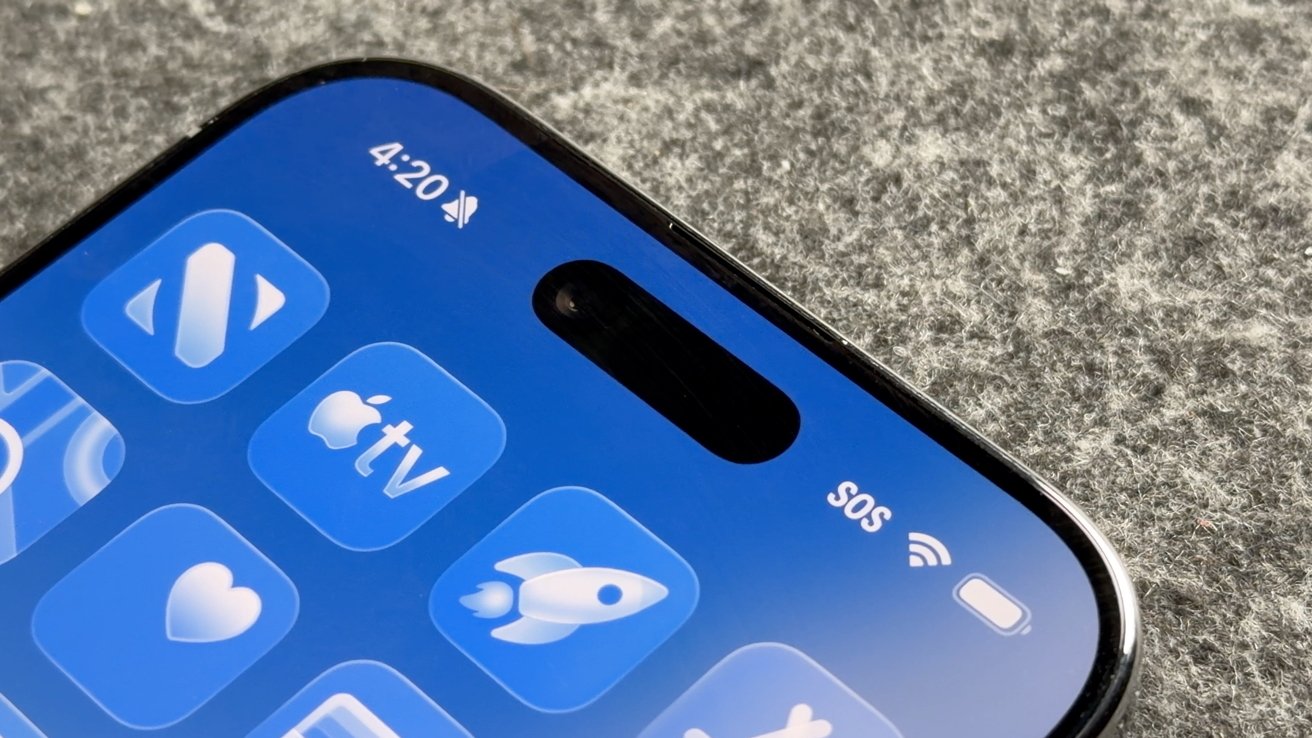
The Liquid Glass design that rolled out with iOS 26 isn't going anywhere, according to a recount of an Apple Developer workshop.
With the debut of iOS 26 at WWDC 2025, Apple made significant alterations to the look and feel of the iPhone operating system. The fairly straightforward flat design, used from iOS 7 to iOS 18, was replaced with a more rounded, translucent aesthetic dubbed "Liquid Glass."
Six months after launch, the new design language remains as divisive and controversial as ever, with developers in particular lacking adjustment options for Liquid Glass. Still, that doesn't mean Liquid Glass will be abandoned anytime soon, and Apple has seemingly even said so outright.
The Captain SwiftUI blog offers a recount of a three-day in-person event called "Let's talk Liquid Glass: New design workshop," which was held at Apple's New York City offices. Participants were able to speak to Apple's Developer Relations and Design Evangelists teams.
In essence, the workshop was meant to guide developers on how to implement Liquid Glass in their applications. This included suggestions about button and control placement, among other things.
More importantly, however, the event seemingly revealed how Apple's Design Evangelist team responded to developer sentiment toward Liquid Glass.
While end-user reactions to Liquid Glass were mixed, some developers and loud internet users hoped the UI overhaul would eventually be abandoned.
To be more specific, they were unhappy about the decreased readability in iOS 26 and the fact that it required visual changes to already working apps. Some saw the update as prioritising form over function, even with the repeated adjustments Apple made throughout the iOS 26 beta cycle.
The poaching of Alan Dye, Apple's former human interface design chief, by Meta gave hope that Liquid Glass would leave with him. Unsurprisingly, however, that didn't happen.
Apple's response to the developer discontent with Liquid Glass, meanwhile, was allegedly one of "genuine shock."
"They were actually concerned that developers were holding onto this position," reads the blog post. Apple is said to have "made it emphatically clear that Liquid Glass is absolutely moving forward, evolving, and expanding across the ecosystem."
In practice, this means that developers will be required to utilize Liquid Glass in their apps once Xcode 27 rolls out, as deferral flags will be disabled.
How Liquid Glass will evolve once WWDC 2026 rolls around
The Apple Developer Relations team was allegedly also quite excited about WWDC 2026 and Xcode 27, but offered no specifics about what's set to debut.
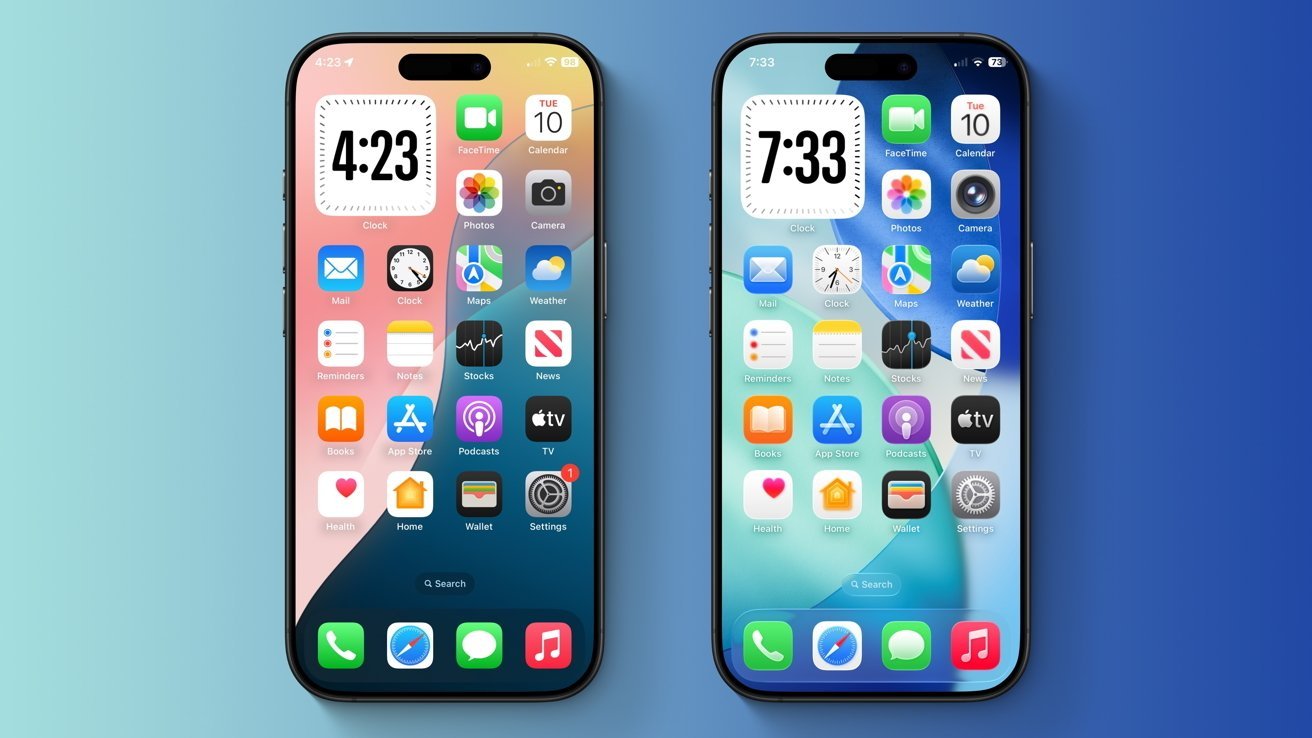
iOS 18 (left) is noticeably different from iOS 26 (right).
However, they did highlight that the Liquid Glass redesign was still relatively fresh, which explains the lack of applicable design-related settings and adjustment options for developers. The situation could soon change, though.
It's been rumored that WWDC 2026 will see the arrival of additional Liquid Glass customization options for developers. End users, meanwhile, will allegedly benefit from a system-wide Liquid Glass intensity switch, letting them adjust the look of iOS with relative ease.
Xcode 27, along with the corresponding iOS 27 and iPadOS 27 updates, is expected to launch at WWDC 2026 on June 8.