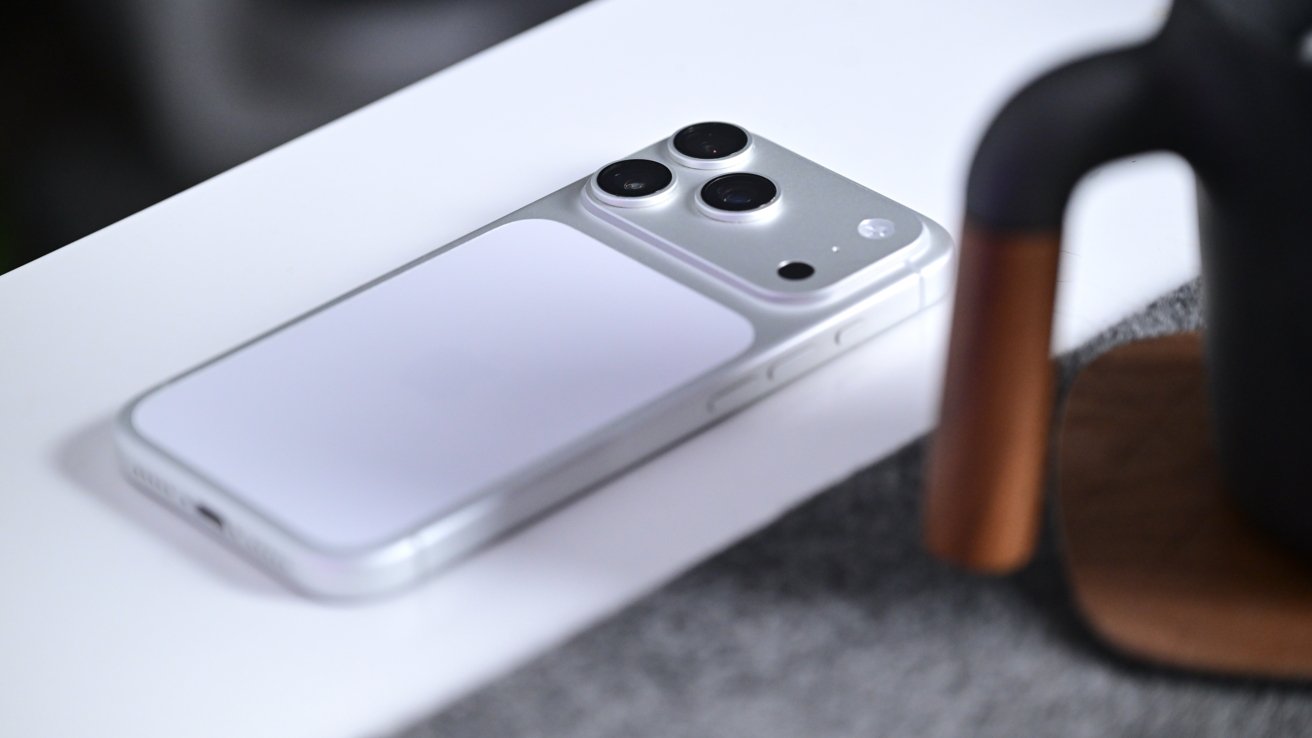
NASA's Artemis II crew launched with iPhones on its mission around the Moon, but the devices are present as personal tools rather than officially part of the spacecraft's systems.
Artemis II, the first deep-space flight to reflect this change, sent four astronauts on a 10-day lunar flyby aboard Orion to validate systems for future missions. Just prior to this launch, NASA approved personal smartphones for astronauts in February 2026, ending a decades-long restriction on consumer electronics in crewed missions.
And now, iPhones are in crewmembers' hands.
NASA routes any data from devices like iPhones through the spacecraft's communication systems rather than letting them transmit to ground on their own. This seems obvious, given that 5G range is not eternal, and Wi-Fi is even shorter, but it's a question we got asked on social media.
The phones can record and interface with on-board Wi-Fi, but NASA's network keeps the connection stable, and transmits to earth ground stations.
Reports of iPhones in spacesuits reflect storage, not integration
The new policy loosens control without changing how the mission operates, giving astronauts a way to capture photos and video. Orion still relies on certified avionics, communications systems, and imaging equipment for every essential function.
New iPhones are being packed into the suits of the Artemis II Crew!
— Owen Sparks (@OwenSparks) April 1, 2026
There is something very familiar about the iPhone look that will make the Moon feel accessible, we are literally going to see the lunar surface through the same lens we use to capture our own lives every day. pic.twitter.com/sDDM5NSRMX
Engineers designed those systems to withstand radiation, extreme temperatures, and long-term use, unlike consumer devices. Some coverage has focused on iPhones inside the crew's orange Orion survival suits, which makes them sound more integrated than they are.
The suits include storage pockets, and placing a small device there during launch or re-entry is a practical choice rather than a technical feature. Nothing in that setup connects the phone to the suit's systems.
NASA's policy shift points to a broader change in approach
NASA's decision to allow smartphones mirrors how commercial spaceflight has handled personal technology. Private missions have already used consumer devices in limited roles, and Artemis II shows NASA adopting a similar level of flexibility.
There is no confirmation of which iPhone models are onboard, despite claims circulating online. Footage from pre-launch handling shows a device that looks like an iPhone Pro model, but no official details confirm the hardware.
NASA hasn't announced a partnership with Apple, nor is there any indication of a coordinated marketing effort for the mission. Apple usually highlights high-profile camera system uses, and a lunar mission would be a natural opportunity if involved.