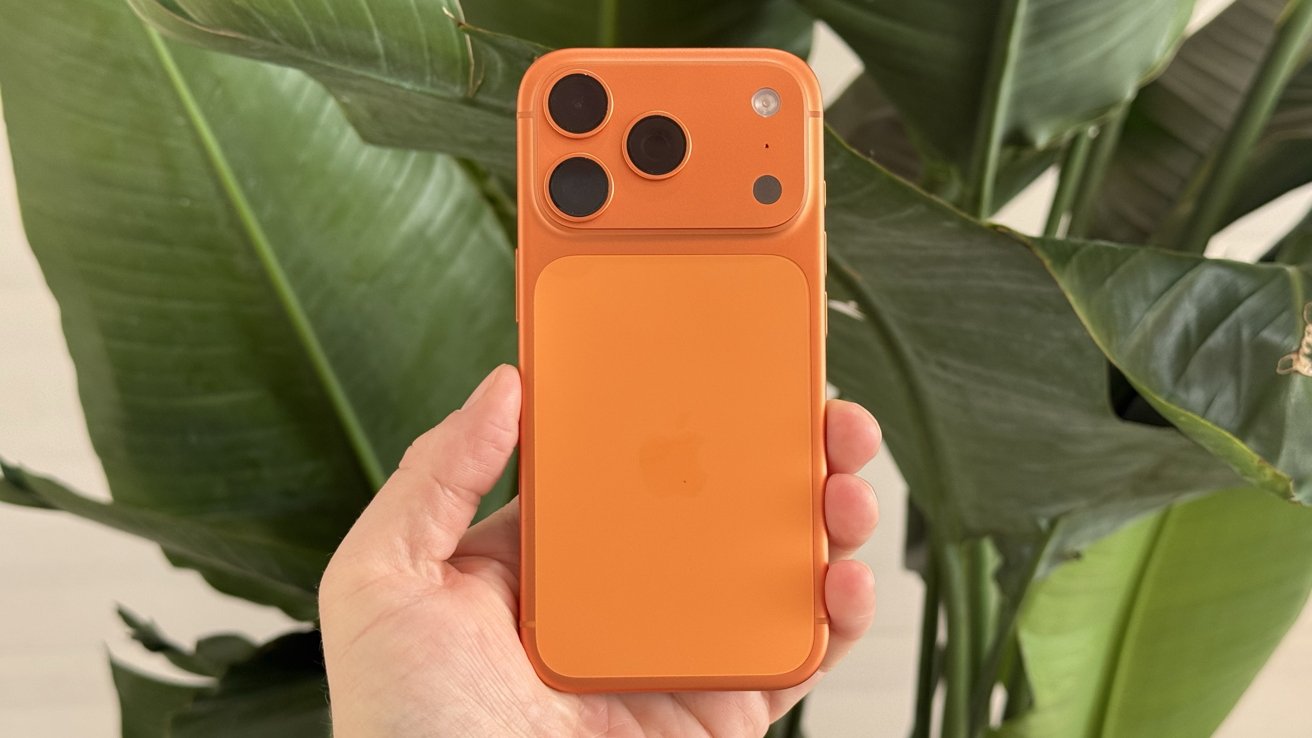
Apple experienced a massive 20% increase in Chinese iPhone sales during the first quarter of 2026, marking the strongest performance of all vendors in the country.
The quarter, ending March 2026, saw Apple's iPhone sales increase by the biggest percentage since the final quarter of 2020. With a 20% increase in iPhone sales when compared to the previous year, there are thought to be multiple reasons for Apple's strong performance.
At the very top of the list, per Counterpoint Research's report, is strong sales of the newly released iPhone 17 series of devices. Apple made the iPhone 17, iPhone 17 Pro, iPhone 17 Pro Max, and iPhone Air available in September 2025.
Strong demand, coupled with promotional discounts and subsidies offered by the local government, is also thought to be a key factor.
This news also follows what was a record holiday quarter for Apple. The company reported growth across almost all market segments. In China, the company reported a 3.1% increase in revenue over the previous year.
At the time, CEO Tim Cook said that Apple saw double-digit iPhone growth in mainland China during that quarter. Couple that news with Counterpoint's figures, and Q1 2026 looks set to continue Apple's trend of bumper quarters.
Apple shows the way
Apple's 20% growth in iPhone sales saw it outmuscle the other major players in the Chinese smartphone market. That includes homegrown offerings from Huawei and Xiaomi.
Sitting behind Apple in second place, Huawei saw its shipments grow by just 2%. Despite that, it still holds a 20% share of the market in China. The report notes that it also took advantage of government subsidies similar to those enjoyed by Apple.
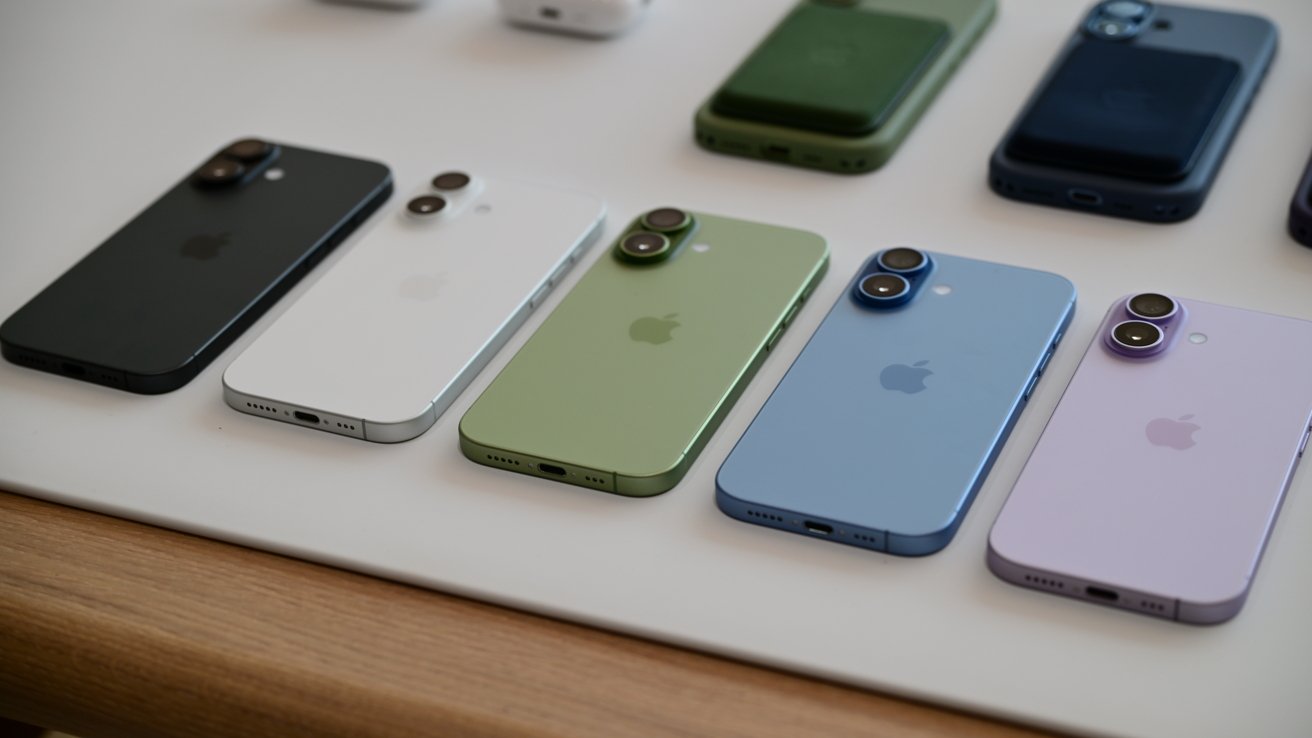
Apple's iPhone 17 comes in a range of colors
Vivo also saw a 2% increase in shipments compared to the same period in 2025, thanks in part to its budget offerings.
Elsewhere, Oppo and Honor shipped fewer units than Q1 2025, but only by 5% and 3%, respectively. Xiaomi was the big loser thanks to a massive 35% YoY decline after its core models underperformed.
As for the future, Counterpoint notes that Apple "is widely viewed as best positioned to navigate the ongoing global memory crunch." The company's close management of its supply chain and premium offerings are thought to have largely insulated it from fluctuating chip prices.