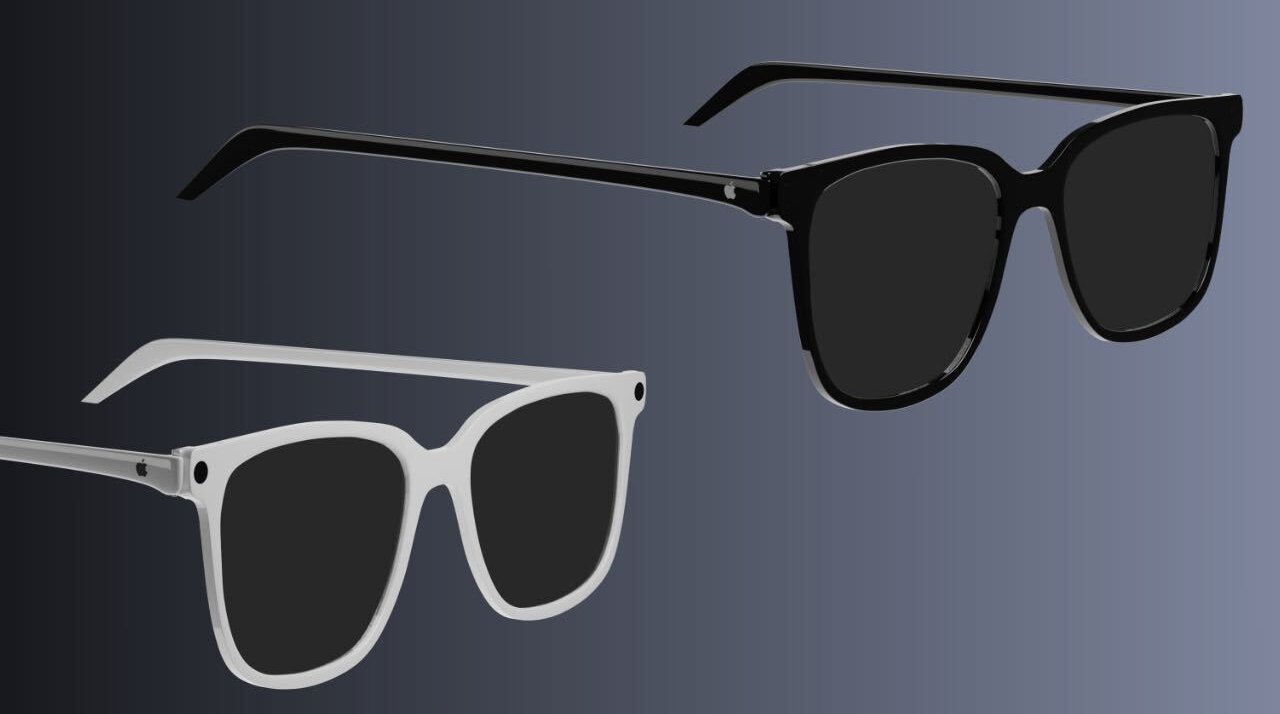
The concept of smart glasses is heating up again across the tech industry, and Apple's long-rumored plans are starting to come into sharper focus as competition builds.
The company is preparing to launch its first smart glasses by late 2026 as it moves into a growing field of AI wearables. Bloomberg's Mark Gurman reports in an interview that Apple is targeting a holiday-season debut to meet rising competition.
The product is expected to rely on cameras, audio, and Siri instead of a built-in display. Apple's approach positions the glasses as an extension of the iPhone rather than a replacement for it.
Apple's smart glasses plans have been in motion for years, but the direction has shifted as the technology has run into practical limits. Earlier rumors focused on full augmented reality, while more recent reporting points to a simpler, display-free product built around cameras, audio, and Siri.
A careful entry into an unfinished category
Apple's reported decision to skip a display in the first version says a lot about where the technology stands. Instead of chasing full augmented reality, the company is expected to focus on practical features like photos, video, audio playback, notifications, and voice interaction through Siri.

The approach reflects the constraints the industry still faces. Adding a display increases weight, cost, and battery demands, which makes everyday wear harder to justify.
No company has solved that balance in a way that works at scale. Apple appears to be starting with something people will actually wear and building from there as the tradeoffs improve.
The strategy echoes earlier Apple products that began with a narrow use case and expanded over time. Apple Watch was not indispensable at launch, and AirPods were initially framed as a convenience.
Both became central once the experience matured and the ecosystem tightened around them. Displays add weight, cost, and battery demands that make everyday wear harder to justify.
Meta has a head start, but not a lock
Meta deserves credit for getting smart glasses into the mainstream conversation. The Ray-Ban partnership gave the product a familiar look, and the feature set covers enough ground to make the idea feel tangible instead of experimental.
The category of smart glasses remains uncertain. While selling a few million units can boost visibility, it doesn't necessarily make them a must-have device or a new computing platform.
Smart glasses remain intriguing but they aren't an indispensable tool in peoples' lives. Most of their key features are already provided by an iPhone and AirPods.
Meta has proven the product can exist and attract buyers, but it has not shown that people rely on it. Apple is speeding up production of its glasses so it can shape the category instead of reacting to it.
Siri is the real hinge point
Hardware alone won't carry this product. Apple's glasses are expected to rely heavily on voice interaction and contextual awareness, using onboard cameras to enhance things like navigation and reminders.
The plan raises an obvious question about Siri.
Apple has been working toward a more capable assistant with deeper context and conversational abilities. Delays have pushed that effort further out, putting its timeline on a direct collision course with the glasses.
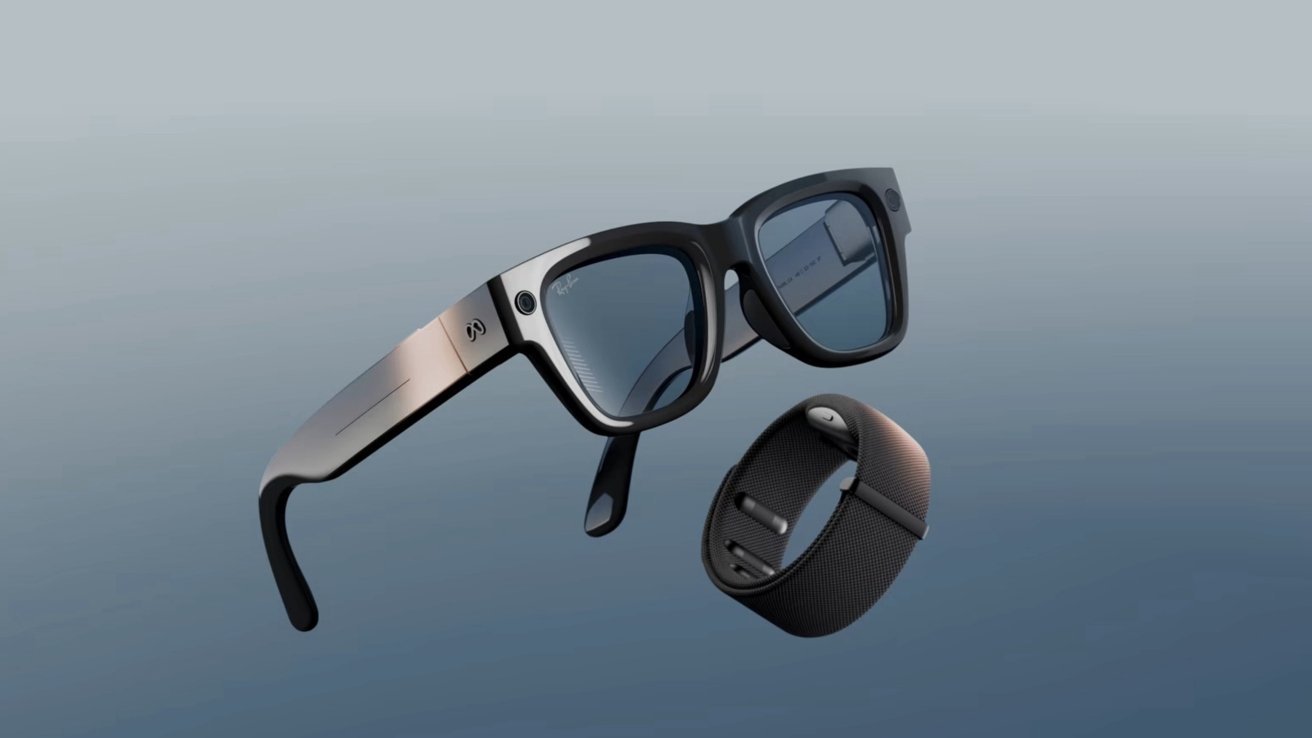
Meta's smart glasses
If Siri delivers, the glasses start to make sense as a lightweight, hands-free layer on top of the iPhone. If it doesn't, the product risks feeling like a collection of features that already exist elsewhere in Apple's lineup without a clear reason to live on your face.
The company's strategy suggests it's not betting on a single form factor. Apple is working on multiple devices in development, including AirPods with cameras and a wearable pendant for contextual data input into Apple Intelligence.
Apple appears to be exploring how people want to interact with AI in everyday life, rather than assuming glasses will be the default answer. Different products can serve different comfort levels, which gives Apple multiple paths into the same ecosystem.
The more immediate goal is to establish a foothold, integrate the product tightly with the iPhone, and buy time for the software to catch up. Meta may have a head start, but the category is still loose enough that Apple can enter on its own terms and shape what comes next.