
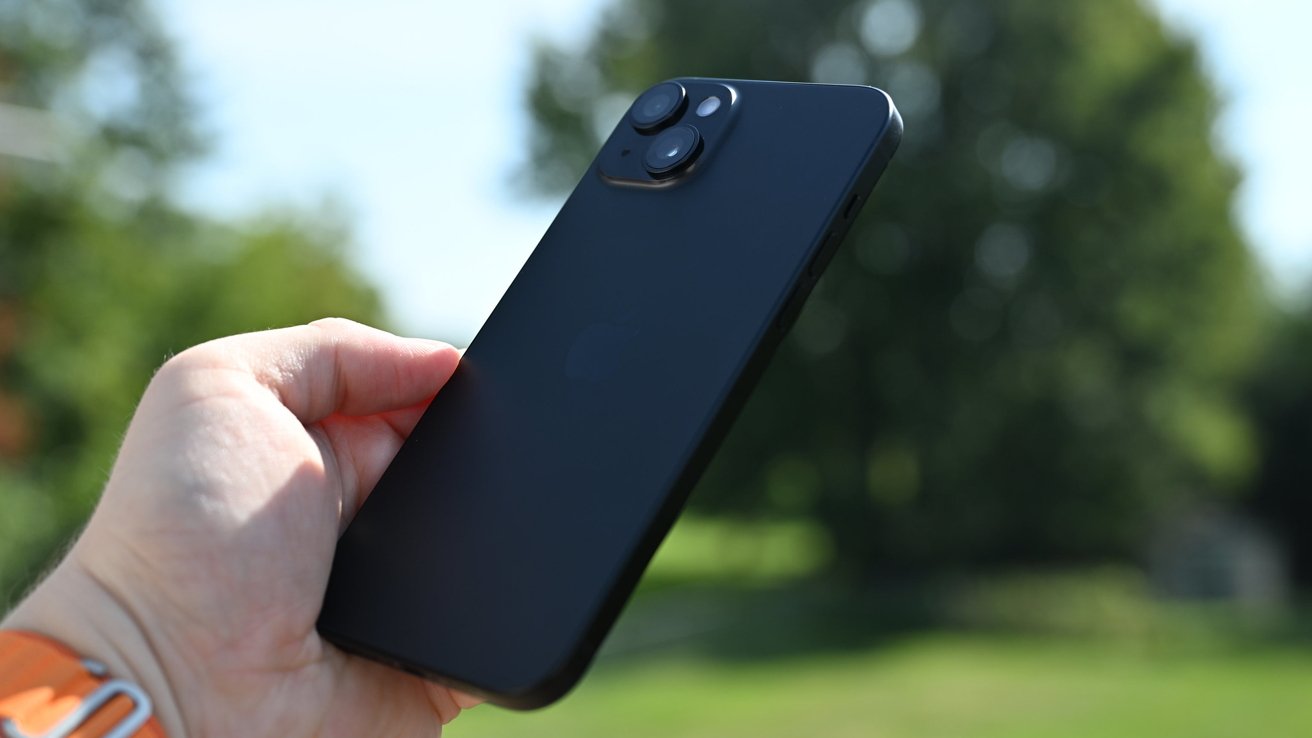
Apple's iPhone is carrying much of the smartphone industry in 2025, lifting global sales, as rivals struggle with weak demand in China.
IDC's August report forecasts worldwide smartphone shipments will grow just 1% in 2025 compared to 2024, reaching 1.24 billion units. That sounds modest, but it's better than the industry expected a few months ago.
The driver for the improvement is Apple, with iPhone shipments climbing 3.9% versus 2024's figures.
Apple's smartphone is doing more than pulling its own weight. Without it, shipments worldwide would be flat or negative.
IDC cut its forecast for China to a 1% decline after government subsidies dried up and consumer spending failed to recover.
Apple has been able to push through the slowdown. Customers upgrading through trade-in offers and installment plans have kept demand steady.
Loyalty is also a big factor, as most iPhone owners stick with iOS when they replace their phones. This has helped Apple expand its share even as Android vendors chase volume in crowded segments.
Regional gains matter
The U.S. market is expected to grow 3.6% in 2025, while the Middle East and Africa will rise 6.5%. Those gains offset the drag from China.
For Apple, the U.S. holds significant importance as it dominates the premium market and collaborates closely with carriers on upgrade promotions. In contrast, other regions have varying levels of significance.
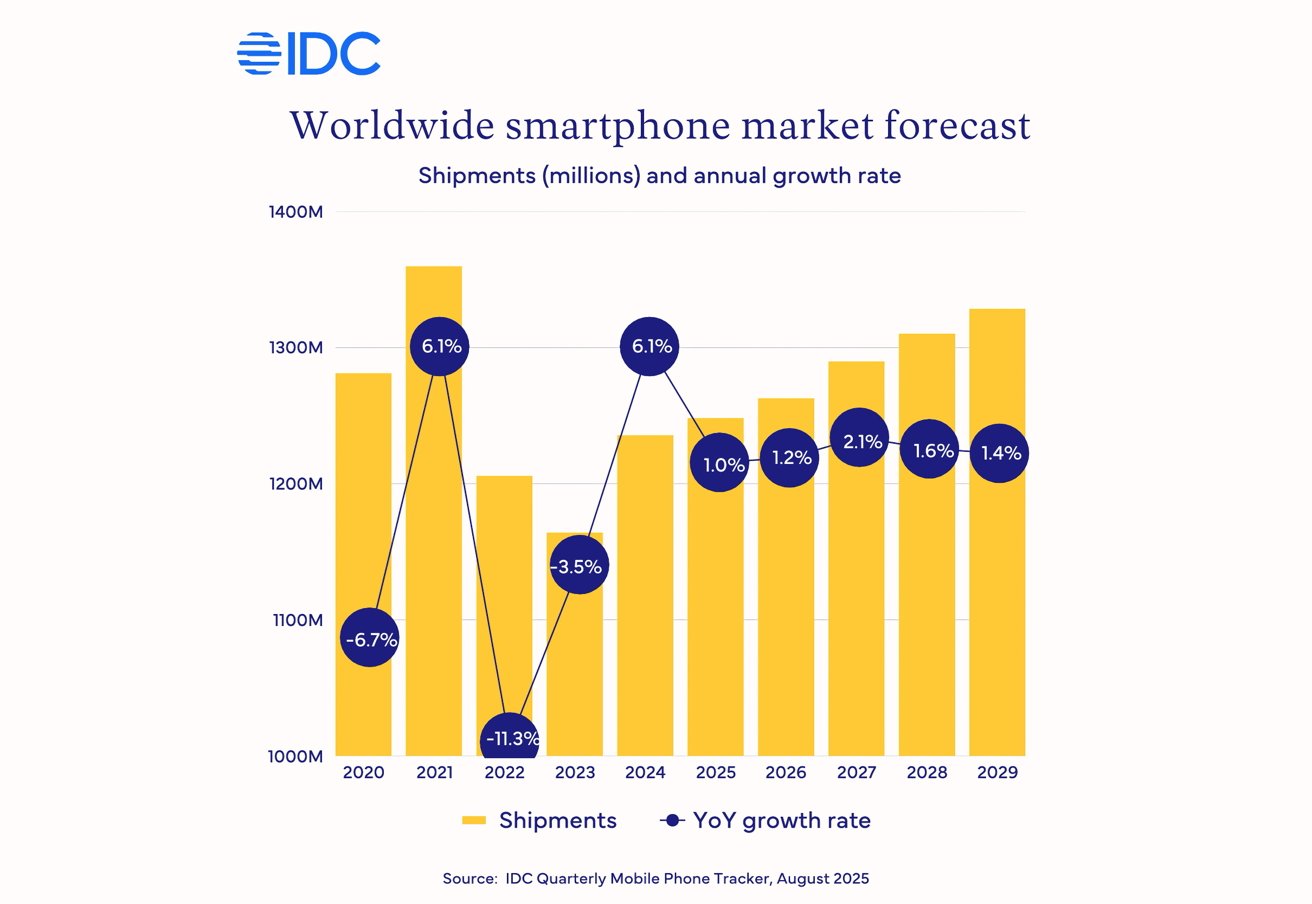
IDC's latest forecast shows worldwide smartphone shipments will grow just 1% in 2025. Image credit: IDC
Asia-Pacific excluding China is expected to post a small 0.8% increase. That uneven picture shows why global brands need flexibility.
Apple's supply chain and broad marketing reach make it easier for the company to target whichever regions are still growing.
Premium is the priority
IDC expects the industry's average selling price to rise 5% in 2025, with overall value up 6%. Apple is the clearest example of how to profit without chasing unit share.
Instead of focusing on low-cost devices, Apple doubles down on premium phones and then makes them more affordable with trade-ins and financing. That approach works because the iPhone isn't just a phone.
It's the hub of Apple's larger ecosystem. Services like Apple Music, iCloud, and Apple One increase the value of staying in the family, and buyers who already own an Apple Watch or MacBook are less likely to jump ship.
GenAI pushes iPhone forward
IDC says 370 million GenAI smartphones will ship in 2025, almost 30% of the global market. By 2029, the figure is expected to top 70%.
Apple is stepping into that wave with new AI features expected in the iPhone 17.
Unlike some Android vendors that advertise AI before it works, Apple typically waits until the technology feels ready. If Apple nails the execution, its scale could push GenAI into the mainstream faster than any competitor.
The iPhone has already proven that it can turn niche features, like Face ID, into industry standards. AI is set to follow the same path.
Risks in the background
While the 25% tariffs announced in April are in play, IDC's forecast assumes that exemptions on smartphones beyond that 25% remain in place. A change in trade policy could alter the picture quickly. Even Apple, with its massive supply chain leverage, isn't immune to that kind of disruption.
The bigger challenge is upgrade behavior. Customers are keeping phones longer than they used to, sometimes four years or more.
Apple has managed to soften the impact with its annual upgrade program and trade-in offers. But even it can't completely reverse the trend.
The iPhone dominates the industry. While GenAI and foldable phones are significant, smartphones in 2025 mirror the past decade — Apple leads, and others follow.