A West traveler turned a nightmare an airport into a cautionary tale after Apple's AirTag led him straight to his stolen suitcase — and the thieves wearing his clothes.
Daniel Scott had just flown from Salt Lake City to LAX on August 22, 2025. After landing, he went to baggage claim, only to discover his suitcase missing.
As he shuffled between carousels, airport staff couldn't locate the bag. That's when his phone buzzed with an update from the AirTag hidden inside his luggage.
The tracker showed his suitcase leaving the airport and heading toward the rideshare lot, and Scott didn't wait. "I immediately started sprinting to the Uber lot," he told NBC Los Angeles.
But the signal kept moving, across the street and beyond. At that point, he knew it was theft.
The trail stopped about half a mile away at a boarded-up building near Sepulveda Boulevard and 98th Street. His partner quickly called airport police.
Officers arrived and shined flashlights inside, revealing several people lined up at the window. One of them was absurdly wearing Scott's shirt, pants, and shoes.
Inside the abandoned building
When police cleared the structure, Scott stepped in. His suitcase had been sliced open. The bag's contents were scattered across multiple rooms.
The signal kept moving, across the street and beyond.
He recovered roughly 90% of his belongings, though the luggage itself was ruined. For him, the AirTag made the difference between total loss and a partial save.
"It just gave me a fighting chance to find my luggage and retrieve it," Scott said. "Craziest part of the trip - it was insane, absolutely."
Tech as a safety net
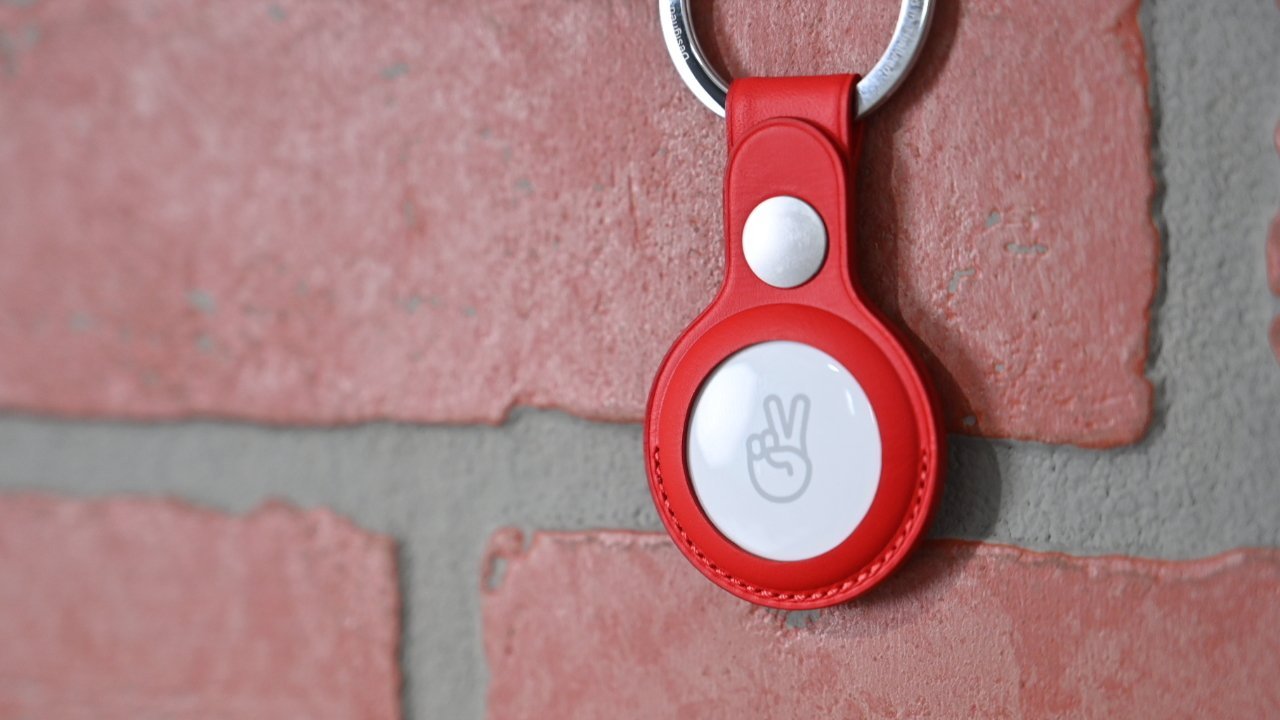
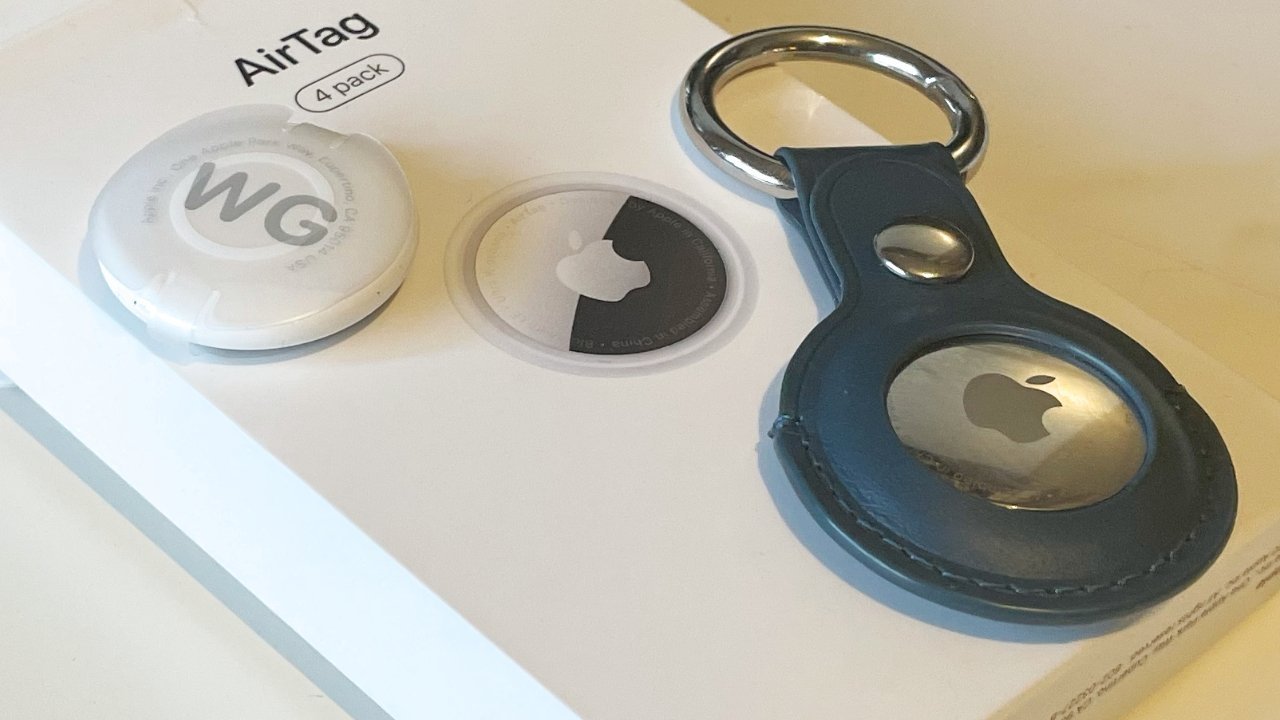
Apple launched AirTag in 2021, and it rapidly became popular among travelers for tracking luggage. The small, coin-sized device utilizes the Find My network to connect with nearby Apple devices, mapping the tracker's movements.
The crowdsourced tracking system functions without needing direct GPS access or a paid subscription. As a result, AirTags offer an accessible and effective solution for monitoring belongings during travel.
Stories like Scott's have fueled a boom in tracker sales. A 2024 survey by travel site Kayak found that 37% of U.S. fliers had started using AirTags or similar devices.
For frequent travelers, the appeal is obvious. A suitcase goes missing, and within minutes you know whether it's still on the tarmac or halfway to an abandoned building.
Police response & limits
In Scott's case, police acted quickly, but that isn't guaranteed. Law enforcement isn't always able — or willing — to chase down every AirTag blip. Officers have warned travelers not to confront thieves themselves, since a bag of clothes isn't worth a dangerous encounter.
The tech provides information, but it still depends on police resources and discretion. There's also the question of privacy.
AirTags have been abused for stalking, forcing Apple to add safety alerts that notify people if an unknown tracker is following them. That dual-use reality hangs over every story of a successful recovery.
Although AirTags won't stop theft, they tilt the odds back in the traveler's favor. And at airports where luggage can vanish in the shuffle, sometimes all you need is a fighting chance.