
Forget gimmicks, forget AI tools and tricks, a new survey has made it clear that Apple Intelligence and other manufacturers' generative AI implementations just don't matter to most buyers.
A poll by CNET and YouGov revealed that only 11% of U.S. smartphone owners upgrade for AI features, a significant decrease from 2024. In contrast, price is the top priority at 62%, followed by battery life at 54%, storage at 39%, and camera quality at 30%.
Apple has faced criticism for trailing Samsung and Google in the AI race. Samsung plastered Galaxy AI across the Galaxy SWX, Z Fold 7, and Flip 7. Google packed the Pixel 10 with Gemini features.
Apple, by contrast, is still working to roll out Apple Intelligence with iOS 18, after delaying key upgrades to Siri. Yet the survey shows most buyers don't care.
When only a tenth of the market is upgrading for AI, there's little reason to panic about who has the flashiest chatbot. Apple's reputation has long been built on stability, privacy, and polished integration, not racing to check every feature box.
What buyers really want from an iPhone
Consumers prefer phones that are more affordable, have longer battery life, and offer greater storage capacity. Interestingly, a thinner design, rumored to be the highlight of the iPhone 17 Air, appeals to only 7% of buyers.
Apple's recent strategy aligns with what consumers value, which are affordability, battery life, and camera quality. The iPhone 16e highlights affordability, while the iPhone 16 Pro Max concentrates on battery and camera improvements, reflecting key survey findings.
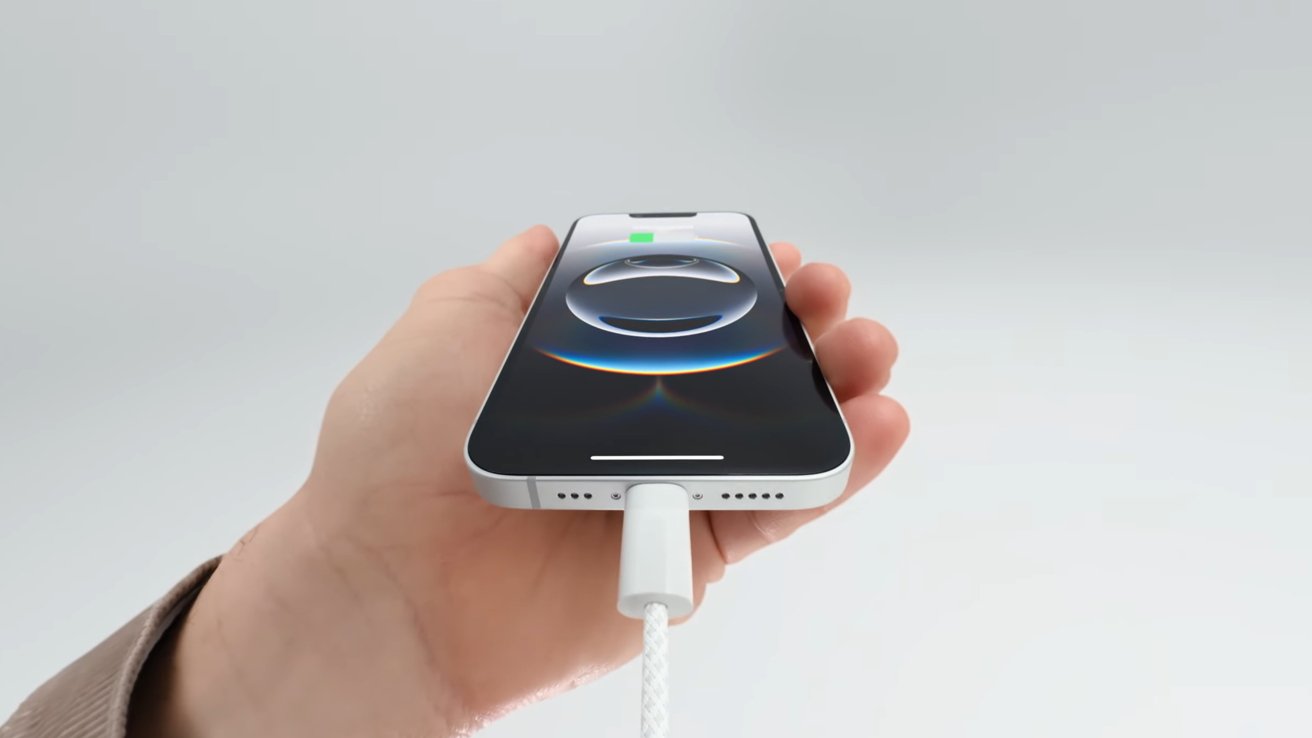
Apple customers want more battery life
AI features are seldom used, with only 13% of users summarizing text, 8% generating images, and 7% editing photos. Additionally, around 20% of users admit they don't know how to use their phone's AI at all.
Smart assistants tell the same story — Siri is used by 61% of iPhone owners, but only 10% call on it daily. Google's Gemini fares no better, with just 9% of Pixel users turning to it every day. These numbers don't scream "must-have feature."
The mismatch problem for rivals
The survey highlights the disconnect between tech company marketing and consumer demand. Samsung and Google are betting customers will flock to AI features, but the numbers suggest otherwise.
For many buyers, flashy demos don't outweigh a cheaper phone with a stronger battery. Apple has historically thrived in these moments.
The App Store defined the iPhone with larger screens selling more units than futuristic software. Now, Apple can afford to take its time, polish Apple Intelligence, and roll it out only when it adds real value.
Apple doesn't need to win the AI race
The industry narrative says Apple is late to AI, but the consumer data says Apple's timing may be just right. The company's hardware still dominates sales, and its Services division continues to grow without leaning on AI hype.
If the iPhone 17 showcases battery gains, better cameras, and modest AI improvements, that may be exactly what buyers want. AI can come later, once it's less about buzzwords and more about making the iPhone easier to use.
People don't want to pay money for AI and don't trust it with their data. That hesitance is Apple's advantage.