Straight after the unveiling of the iPhone 17 range, we got to spend time with the new lineup and other new hardware. Here are our hands-on opinions of Apple's new launches.
Apple's "Awe Dropping" event was packed with launches, covering the iPhone 17 family of smartphones, AirPods Pro 3, and Apple Watch upgrades. For guests invited to Apple Park, it was followed by a chance to have a closer look at what Apple just announced.
iPhone 17, iPhone 17 Pro, iPhone 17 Air
With four iPhone models launched at the event, it was hard to spend tons of time with every one. Most of it was spent with the iPhone 17 Pro line and the iPhone Air.

The brief time with the iPhone 17 was an experience that was very similar to the iPhone 16. It has a few upgrades and some new colors.
It looks really nice, and it can be a device people can be excited about, but the presence of the other models certainly pulls attention away from it.
iPhone Air
Everyone thought it would be the iPhone 17 Air, but Apple switched things up and made it the iPhone Air instead.
This new model feels insane to hold. It's as if it doesn't feel real, even though we have spent lots of time talking about it and handling dummy units.
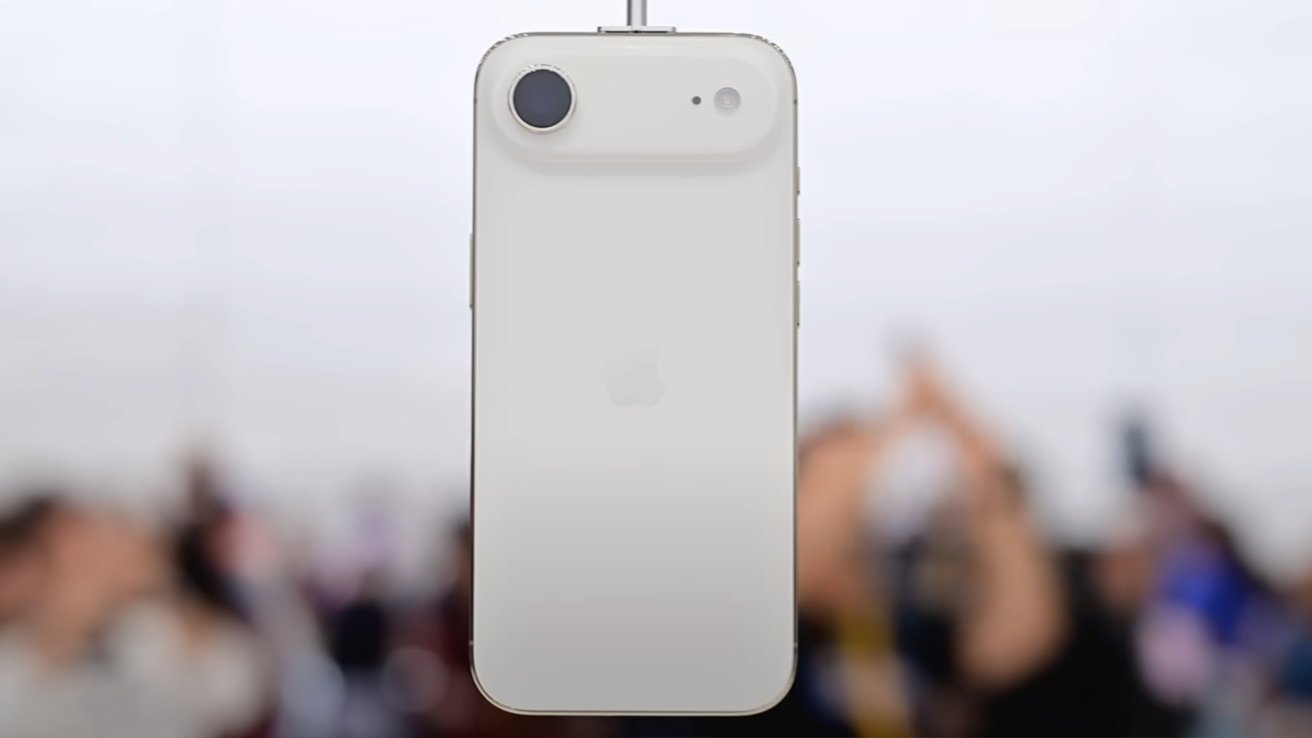
iPhone Air
It's a very light device, lighter than you would expect, which is nice to experience. The titanium frame and Ceramic Shield on the front and back should help it stay durable despite the thinness.
The single camera on the back is a 48-megapixel Fusion camera, which will take 48MP wide shots as well as using Apple's cropped "optical-quality" zoom trick. That's a 2x zoom, simply by leaving out the edges of the full picture.
The front camera is more impressive, with a new 18-megapixel Center Stage shooter. It's a square sensor, which is a cool feature since you can shoot portrait or landscape selfies without twisting the iPhone around.
Playing around with it, the feature worked really well. A press of the button and it switches the orientation. There was also a feature of Center Stage where it shows you in the corner while filming with the rear camera, all in 4K.
The front camera is probably one of the biggest deals we are going to see on this camera line. Especially with its intelligent expansion and cropping.
For battery life, it has the same as the previous iPhone 16 Pro did, which is a huge feature. The MagSafe Battery is a great pairing for it, but while it will work with other phones, it is really designed for the Air.
The C1X modem will give it great wireless connectivity, albeit without 5G mmWave and being eSIM only. The N1 networking chip supports Wi-Fi 7, Bluetooth 6, and Thread.
This is a smartphone that we feel will be a big draw to regular users, as it's just a really cool device.
iPhone 17 Pro and Pro Max
Returning back to using the 17 again, the iPhone 17 Pro and Pro Max have many features I've already mentioned, including the camera enhancements at the front.
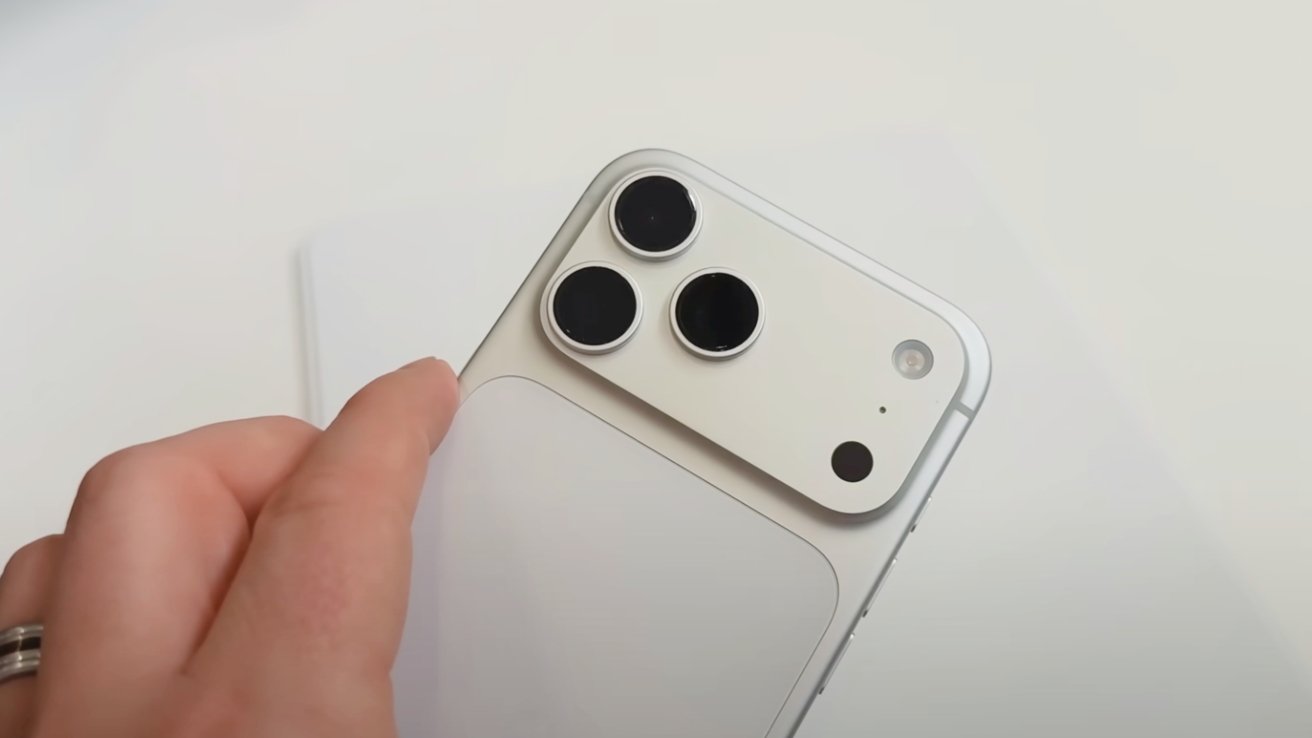
The back has a new 48-megapixel Telephoto Lens as part of the camera system, so all three are the same resolution and under the Fusion branding. That Telephoto pulls off the same crop-zoom trick, so its base 4x optical zoom level can extend to 8x "optical quality."
Add in digital zoom, and it goes to a staggering 40 times. The results looked really crisp, even at 8x.
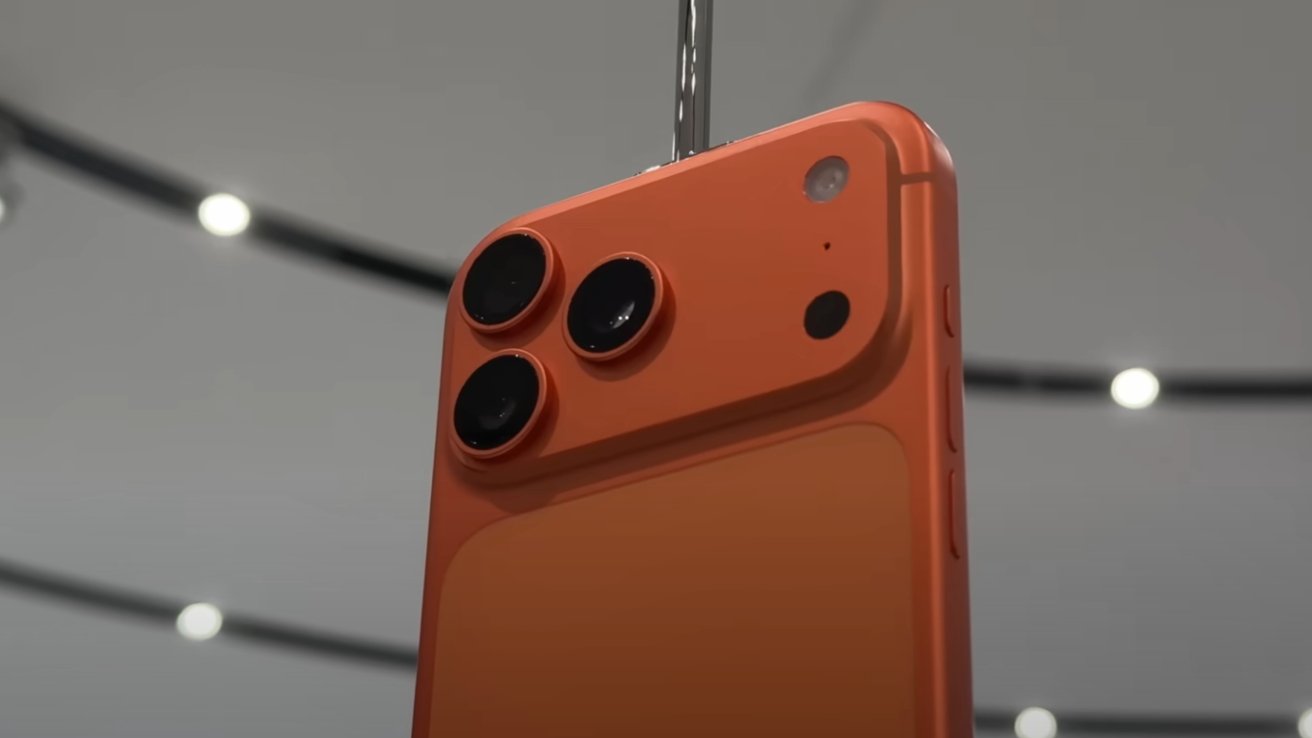
iPhone 17 Pro
For the body, Apple has reverted back to aluminum, which I'm fine with. The matte finish is better, even than the new glossy iPhone Air.
There's a new unibody enclosure, similar to what Apple did with the Mac line. The back has Ceramic Shield instead of glass, which is just inset there, while the camera bump is all metal.
The front's Ceramic Shield Gen 2 is more antireflective than before and more scratch-resistant.
The A19 Pro on the inside has Apple's new vapor chamber cooling. Liquid cooling that, along with the aluminum body, will help keep temperatures down.
Lastly, there's improved battery life, as you would expect.
AirPods Pro 3
AirPods Pro 3 are huge update for Apple, with lots of cool things here that we're excited for.
There's a little bit of a redesign that the second-gen model didn't get. The case is slightly slimmer and loses the button on the back, in favor of a tapping gesture for pairing.
The earbuds themselves are definitely a little bit smaller, with a better-angled ear tip to fit into the ear canal. Then there's the new foam-filled silicone tip, which fits so much better than before, and are available in five sizes.
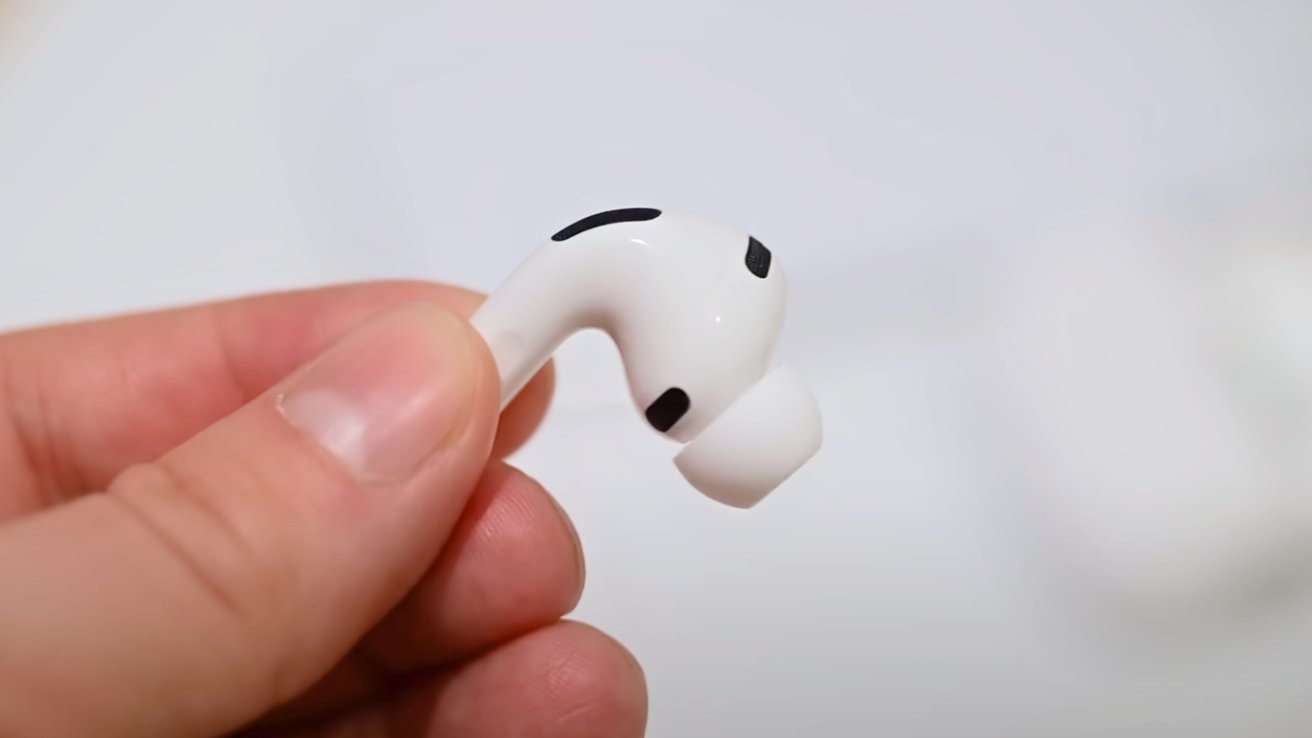
AirPods Pro 3
Another huge feature is heart rate monitoring, which works similar to the Apple Watch. You could even ditch your Apple Watch for workouts.
Testing this, the feature worked so well, with the live activity visible on an iPhone lock screen. If you're using it in tandem with an Apple Watch, the iPhone will choose the source that's giving better data and use that for the workout recording.
We also got to demo live translation, and it worked incredibly well. It's interesting that it uses on-device models, so you don't need to have data roaming enabled.
Lastly, you get a lot more battery life with AirPods Pro 3 now, pushing it up to 8 hours on a single charge.
Apple Watch Series 11, Apple Watch Ultra 3, Apple Watch SE 3
While the Apple Watch SE is still the model to be recommended when people want a basic Apple Watch, there's still a lot to like about the Apple Watch Series 11.
The models ship this time in aluminum and titanium finishes, with the latter using a new 3D printing-like process that makes them look gorgeous. The aluminum ones do ship in a new charcoal Space Gray color, along with the Jet Black, which is a nice touch.
Apple did stick with the S10 processor this time, which is a fine hangover from the Apple Watch Series 10. This does mean there are relatively few new features using the same chip.
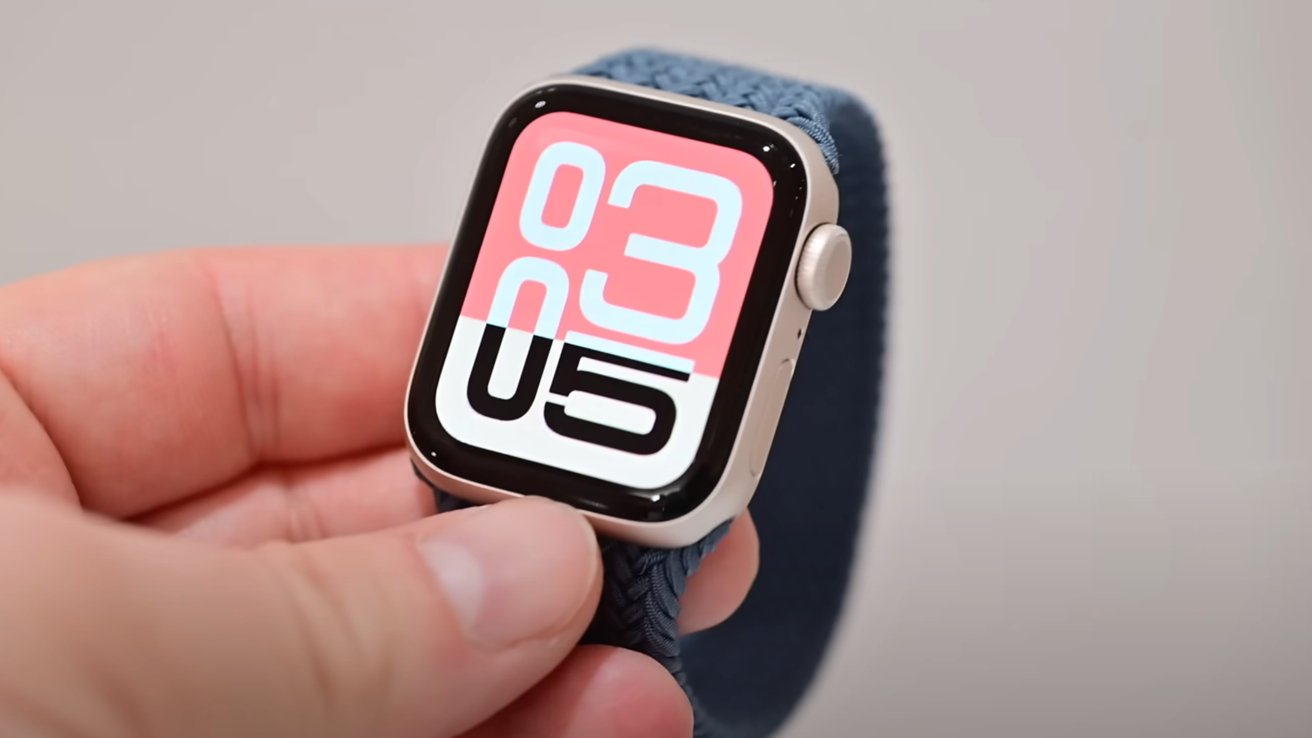
Apple Watch Series 11
What is new is hypertension monitoring, which gives you general alerts every 30 days and directs you to a doctor. It works how you would expect with a little prod on your wrist, and more information is viewable in the Health app.
This isn't the same as the long-awaited blood pressure tracking, which you would expect to set going and to receive an immediate reading for.
There's also the new sleep score for sleep tracking. However, as a feature coming with watchOS 26, it' something that will arrive on some older models and isn't exclusive to the Series 11.
Battery life has shifted from 18 hours to a full 24-hour day, which is great for those who use their Apple Watch for sleep tracking. The fast charging has been improved, so now it takes 15 minutes to hit 80% battery instead of 30 minutes.
The cellular models also benefit from 5G support. Coupled with a better antenna, it should have overall better cellular reception.
Apple Watch Ultra 3
There's been a lot of chatter about the Apple Watch Ultra 3, since it only received a new color the last time it was updated. This year's proper upgrade looks fantastic, even though there are no massive changes to the case size.
Instead, we get a slightly bigger screen and thinner bezels, which really help out its appearance. It's now officially back to being the largest Apple Watch screen on the roster.
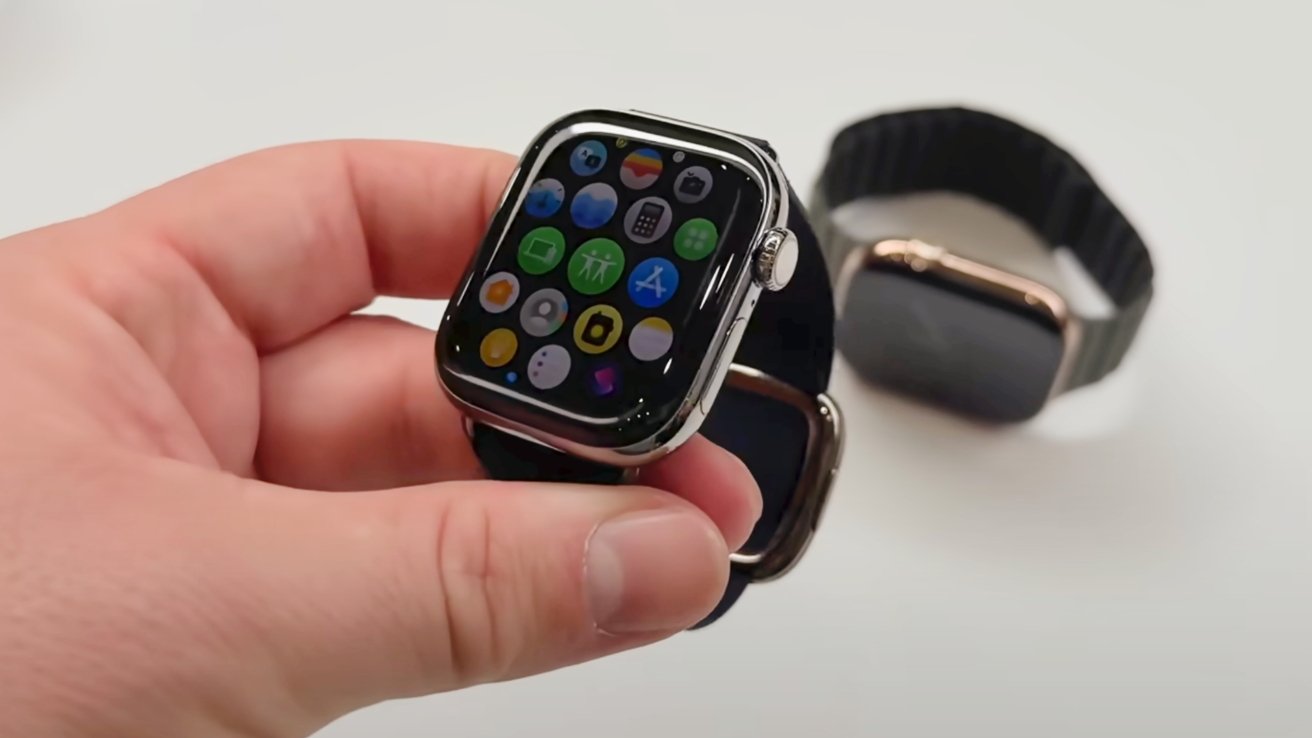
Apple Watch Ultra 3
The 5G addition is here, as well as satellite connectivity. That's going to be a huge deal for people hiking in the middle of the countryside, far from cellular reception.
There are also other features that were previously on the Apple Watch Series 10, such as a new LTPO3 backlit display that looks really nice and brighter at angles.
The Apple Watch Ultra 3 can also run at a higher refresh rate. When it is dimmed and in its inactive state, you can still see the second hand moving around, which is really nice.
You also get the hypertension monitoring and a ceramic finish on top of the display for durability. For a wearable designed for active lifestyles, these are no-brainer additions.
We'll be bringing you full reviews of all the hardware Apple announced on September 9 in the coming weeks.