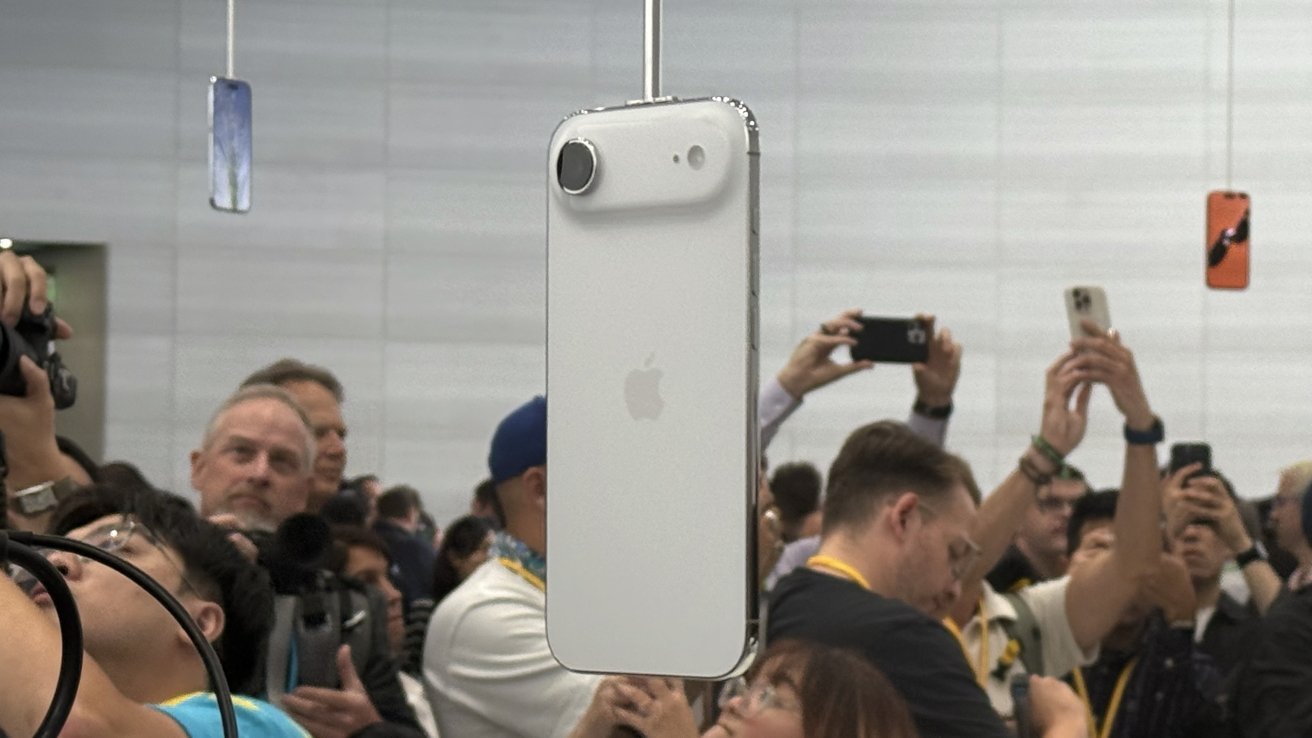
The staggeringly thin iPhone Air is probably not the iPhone you should buy today, but it is the one that shows where all smartphones are headed.
You will surely change your mind, at least temporarily, once you see an iPhone Air in person. But all reason says that you need to hand it back politely rather than pay out $999 for a phone that just does not seem ready yet.
That it exists at all is a marvel of Apple's engineering teams, but that marvel was achieved through such compromises that the iPhone Air is close to being just a proof of concept. It's Apple saying it can do this thing, and now we know it truly can, but its sole real benefit is its startling thin size.
Otherwise, if you didn't know about how slim it was and just compared specifications, you would either go for the cheaper iPhone 17, or the more expensive iPhone 17 Pro and iPhone 17 Pro Max.
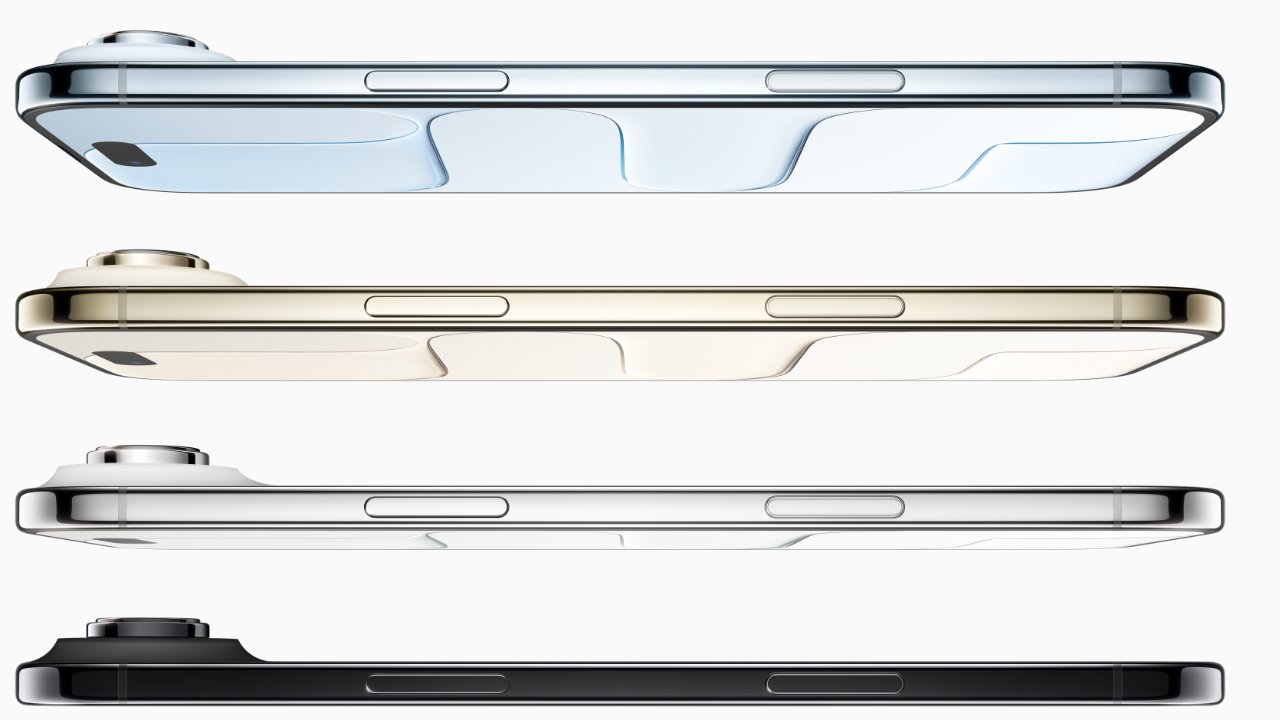
It's ridiculously thin — image credit: Apple
The iPhone Air does have a larger screen than either the iPhone 17 or the iPhone 17 Pro, it also has poorer battery life. Apple may say "all-day battery life" without specifying the number of hours, but then Apple also released an iPhone Air-specific MagSafe Battery Pack that doesn't fit on anything else, which is pretty telling.

We won't know just how essential that battery accessory is until the iPhone Air is being tested in the real-world. But Apple trying to spin it as a great option just underlined that not everyone is going to get "all-day" out of this iPhone.
All iPhone Air users have better options
There will, of course, be people who do not need this all-day life. Either they don't travel far from an outlet, or they are simply casual users of their iPhones.
In which case, though, they are paying more than they need for a device that they won't pick up and use very often.
For real all-day use, there's now both the base iPhone and the higher-end Pro models. The iPhone Air does have a GPU-binned version of same processor of the iPhone 17 Pro and iPhone 17 Pro Max, so it should be faster than the base model — but there is also a clear problem.
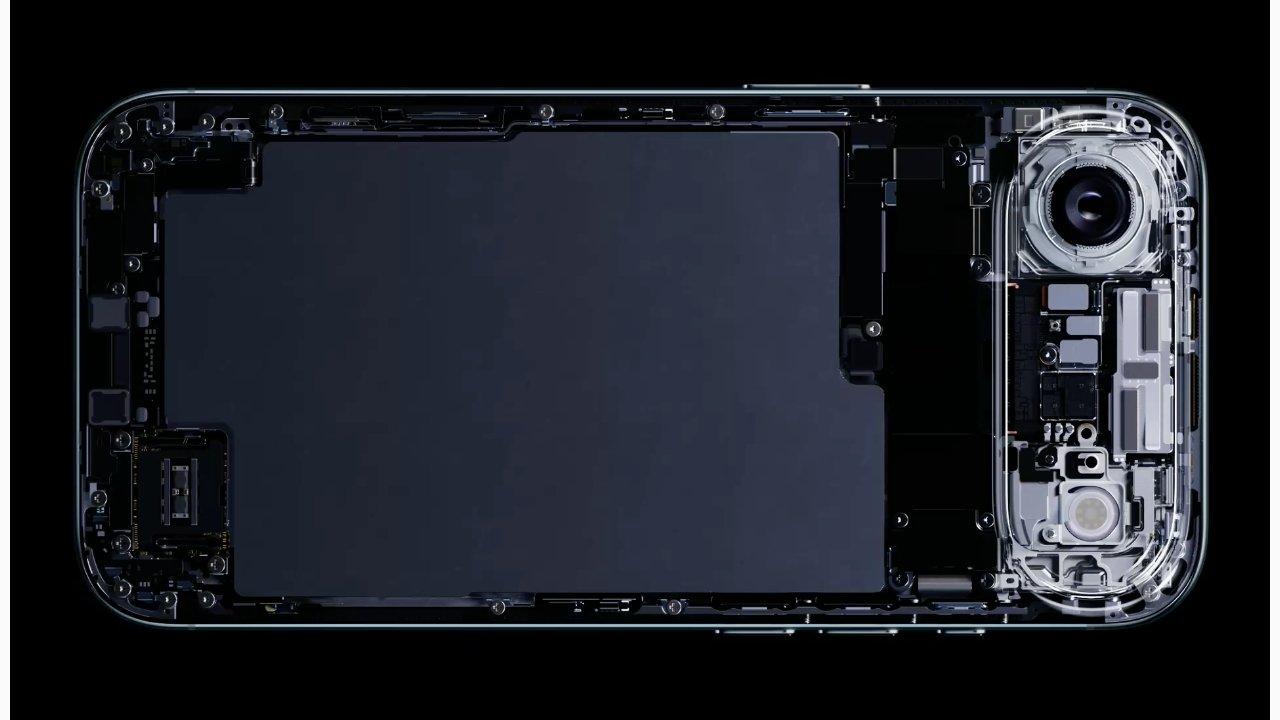
As large as it seems, the iPhone Air battery is the smallest in the range— image credit: Apple
The higher end Pro models also feature vapor chamber cooling. They do so in order that the A19 Pro processor can run at full speed for longer, without making the iPhone overheat.
Unsurprisingly, the narrow iPhone Air does not have room for a vapor chamber. So it won't be able to match the extended performance that the higher end models will.
This is not a major problem for the "I only use it for FaceTime" crowd, nor the Apple Music devotees. It is more of one for folks that demand performance, like what we know a good percentage of the AppleInsider audience demands.
Consequently, you could pay less to get longer battery life, or more to get the full performance of the new A19 Pro processor. The iPhone Air is a middle choice that offers only its size — and a peek into the future.
We've been here before
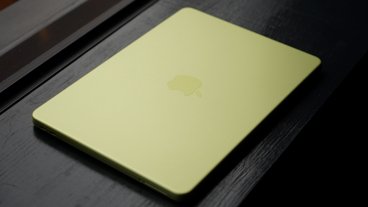
This first-ever iPhone Air resembles the first-ever MacBook Air. It, too, was shockingly slim and so much so that as well as applause when Steve Jobs pulled it out of a manilla envelope, there were also some gasps.
Unfortunately, that original MacBook Air was cool, but a very poor buy for much the same reasons as the iPhone Air. People bought it because its size was fantastic, then found they had to put up with poor performance, anemic iPod hard drive speeds, and pretty rough battery life.
But then the iPhone Air surely also resembles that MacBook Air in how it will improve over time. A second and third generation may well become the phone to buy.
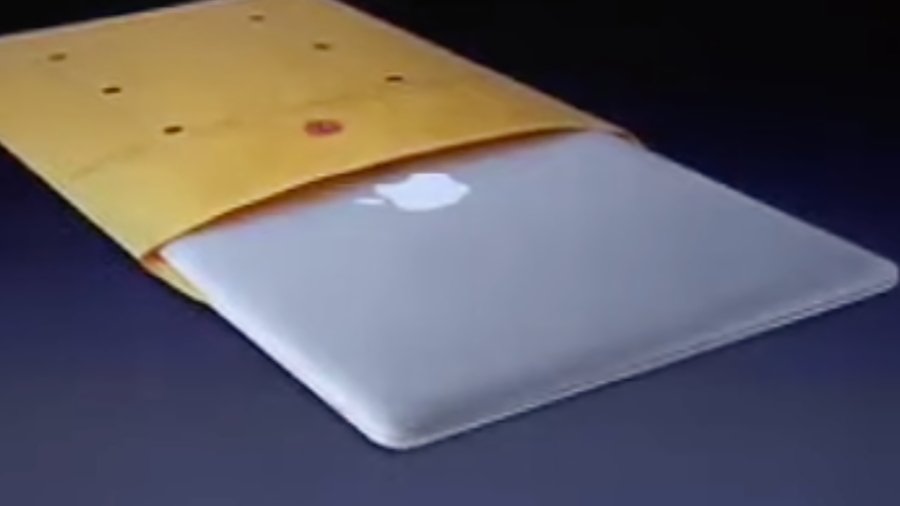
The original MacBook Air and the envelope Steve Jobs famously took it out of - image credit: Apple
And remember what happened to the MacBook Air, too. Initially just about the slimmest computer imaginable, it's now impossible to imagine a laptop that's much thicker.
As the MacBook Air heralded the next two decades of laptops, the iPhone Air represents where all smartphones are headed. Especially now that it's proven possible, one day it will surely be that all iPhones are this slim.
And that may well start in 2026 with the expected iPhone Fold. This initial iPhone Air may well represent what one half of an iPhone Fold will be like.
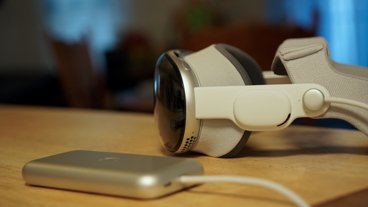
Possibly the only thing easier to imagine than two iPhone Air models joined by a hinge, is what will also surely happen to the Apple Vision Pro. Right now it is very impressive technology but too expensive to become a consumer hit.
Yet there's no question but that Apple will make smaller, lighter, and lower-cost ones as soon as it can. Apple Vision Pro is a proof of concept, just as the iPhone Air is.
There will be people for whom the Apple Vision Pro or the iPhone Air are right, but they are going to be edge-case people who are most likely interested in the technology for its own sake. Users who just want to get work done, will find that Apple has provided better value iPhones.
So for now, at least, the decision over buying an iPhone Air is a lot easier than Apple claims.
Today, the iPhone Air is an exciting peek into the future, but the only way it should be the present is if someone gives you one.