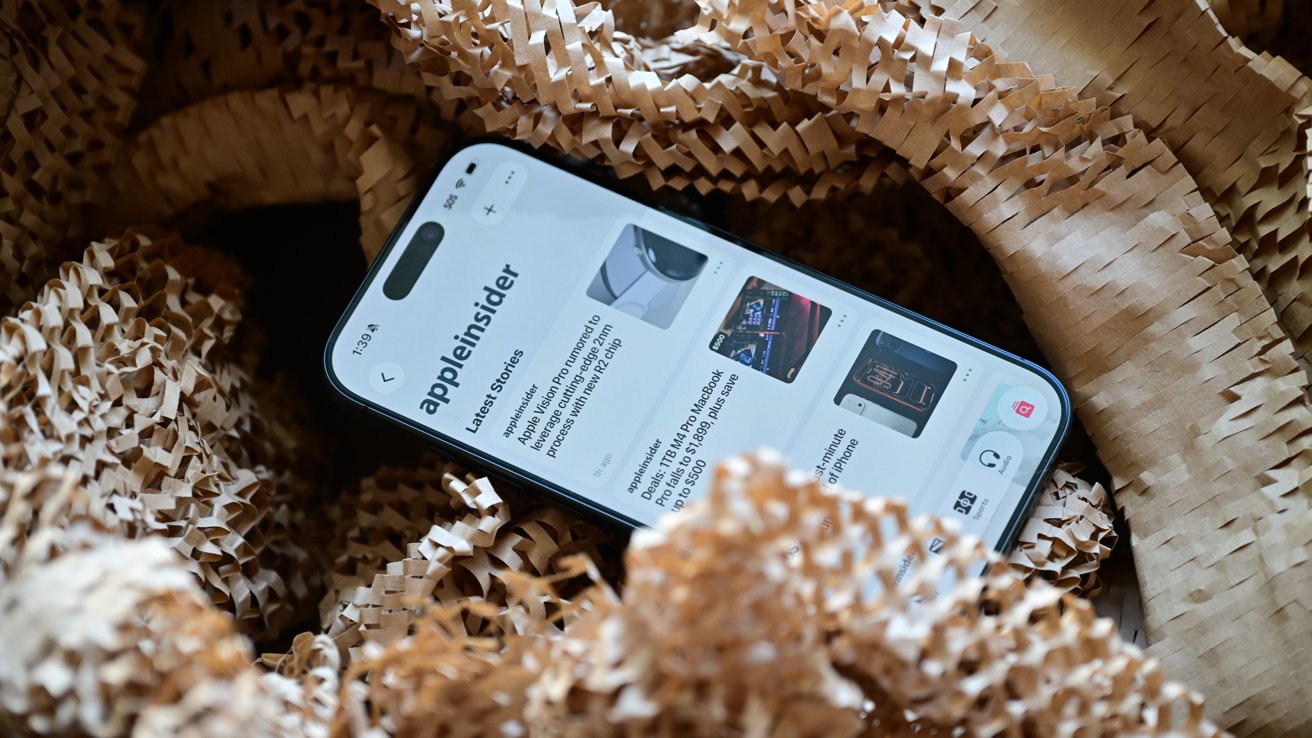
The iPhone 17 is here, and with a larger-than-usual slate of upgrades, it's a solid choice for those who are in the market for a new phone but trying to stay on a budget.
In the current lineup, the iPhone 17 is geared towards your average user. It's not as bare as the iPhone 16e that came out in early 2025 but lacks some of the flash as the iPhone Air or iPhone 17 Pro and iPhone 17 Pro Max.
That isn't necessarily a bad thing, though, as it didn't see any price increase this time around.
For this review, we're looking at the black iPhone 17 that Apple loaned me following its "Awe Dropping" event.
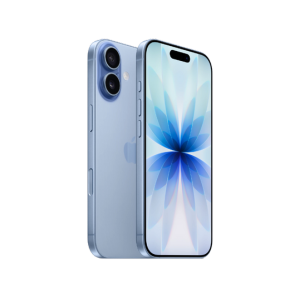
iPhone 17
iPhone 17 review: Design
From the outside, the iPhone 17 looks nearly indistinguishable from the iPhone 16 that preceded it. It's a slightly larger 6.3-inch screen thanks to smaller bezels and an anodized aluminum body.
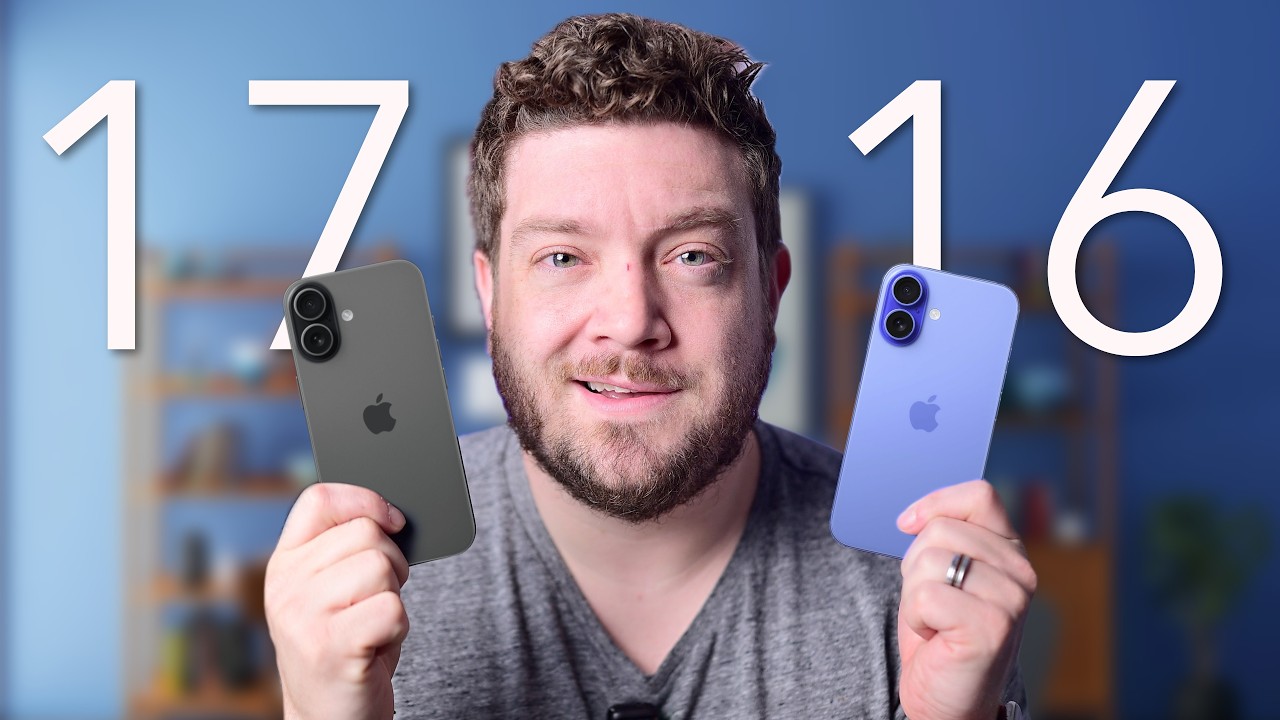
It did get some new colors, which is always fun. It comes in black, white, Blue Mist, sage, and lavender. I'm very partial to the sage model, if I had to pick just one.
Lavender and blue mist are a bit more muted compared to the pink and ultramarine of the iPhone 16 era. The new sage is a more earthy green, especially compared to the old teal.
It has a USB-C port on the bottom with an unupgraded USB 2.0 speed. That doesn't matter that much for the target market of this phone, though.
The back is all glass, with the dual cameras perched in their recognizable location at the top.
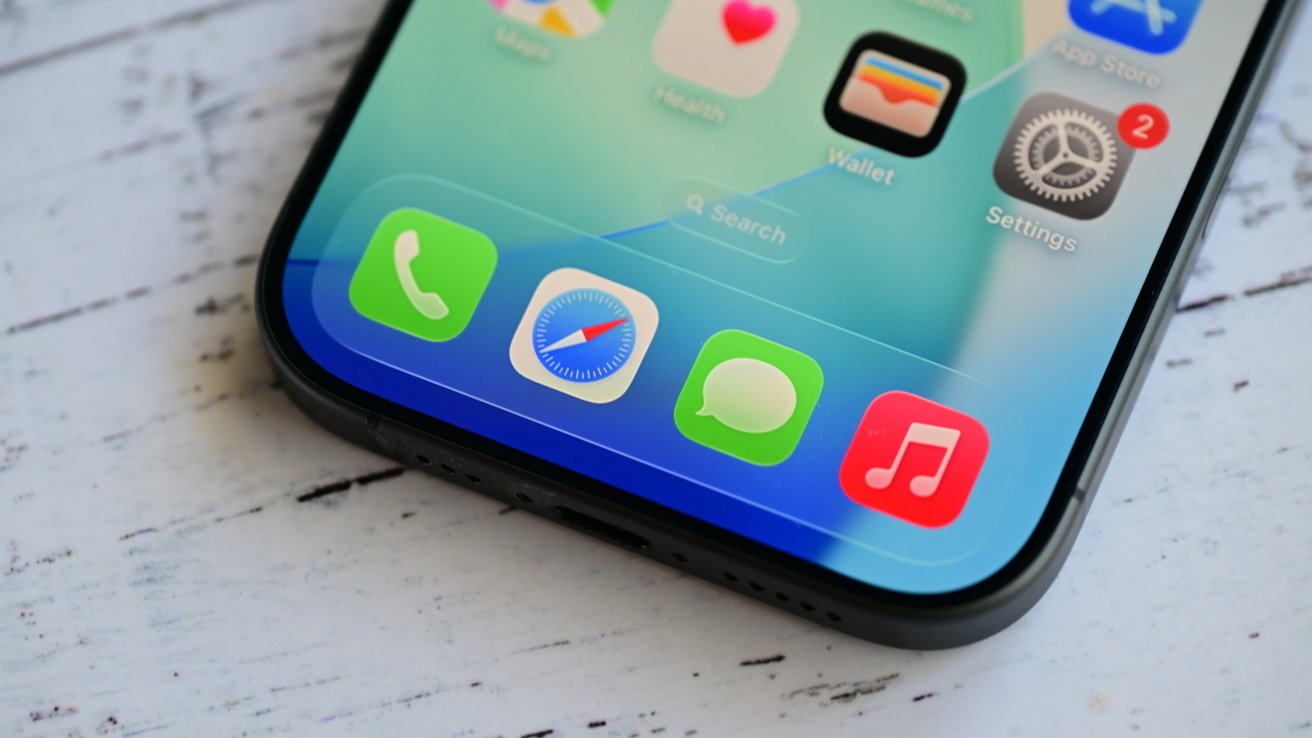
iPhone 17 review: The new display finally supports 120Hz
Externally, the biggest change comes from the display. For the base model, it got a monster of an update.
Apple finally gave in to the vocal subset of users who insisted that a 120Hz display was a necessity. It is now a full ProMotion display that can intelligently adjust the refresh rate on the fly from 1 to 120Hz.
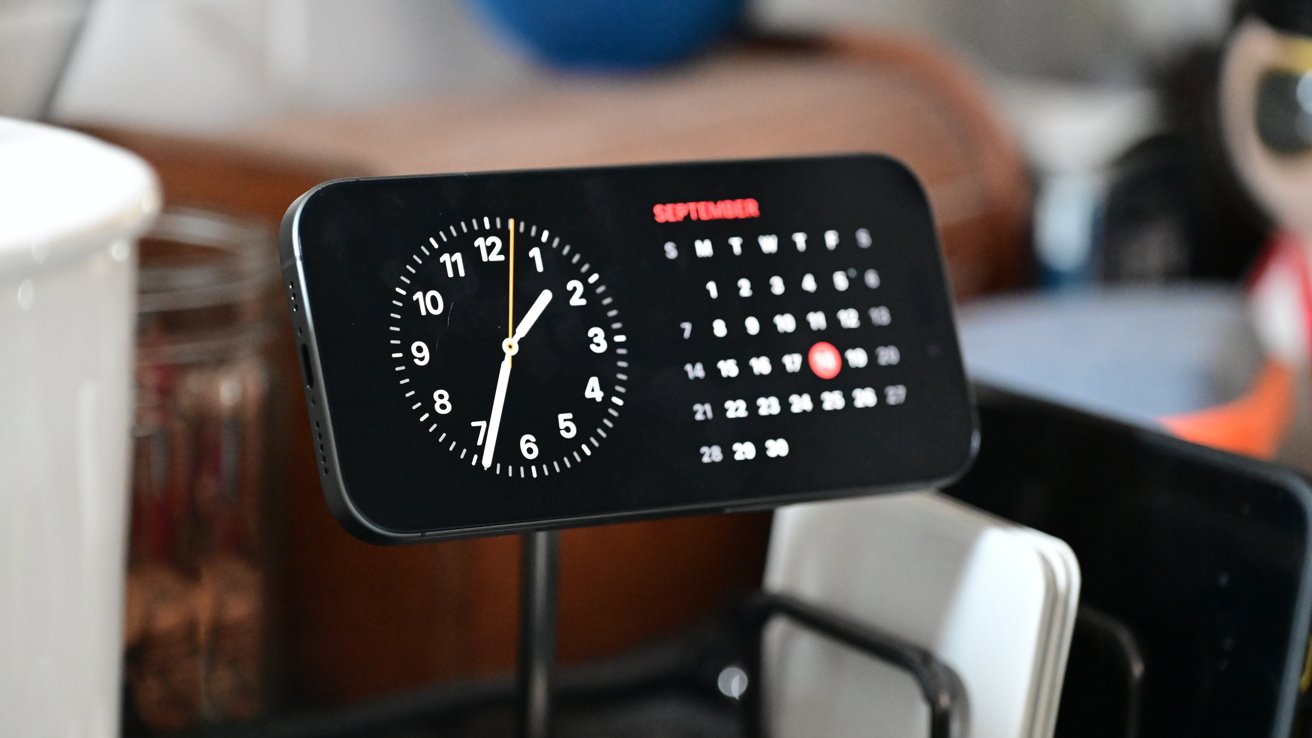
iPhone 17 review: StandBy mode now stays on all the time thanks to the always-on display
With the low refresh rate also comes always-on support. This is another oft-requested feature from users who want to see their phone in StandBy mode without it turning off.
The display is also now protected by Apple's second-generation Ceramic Shield coating, making it more impact and scratch-resistant than ever before.
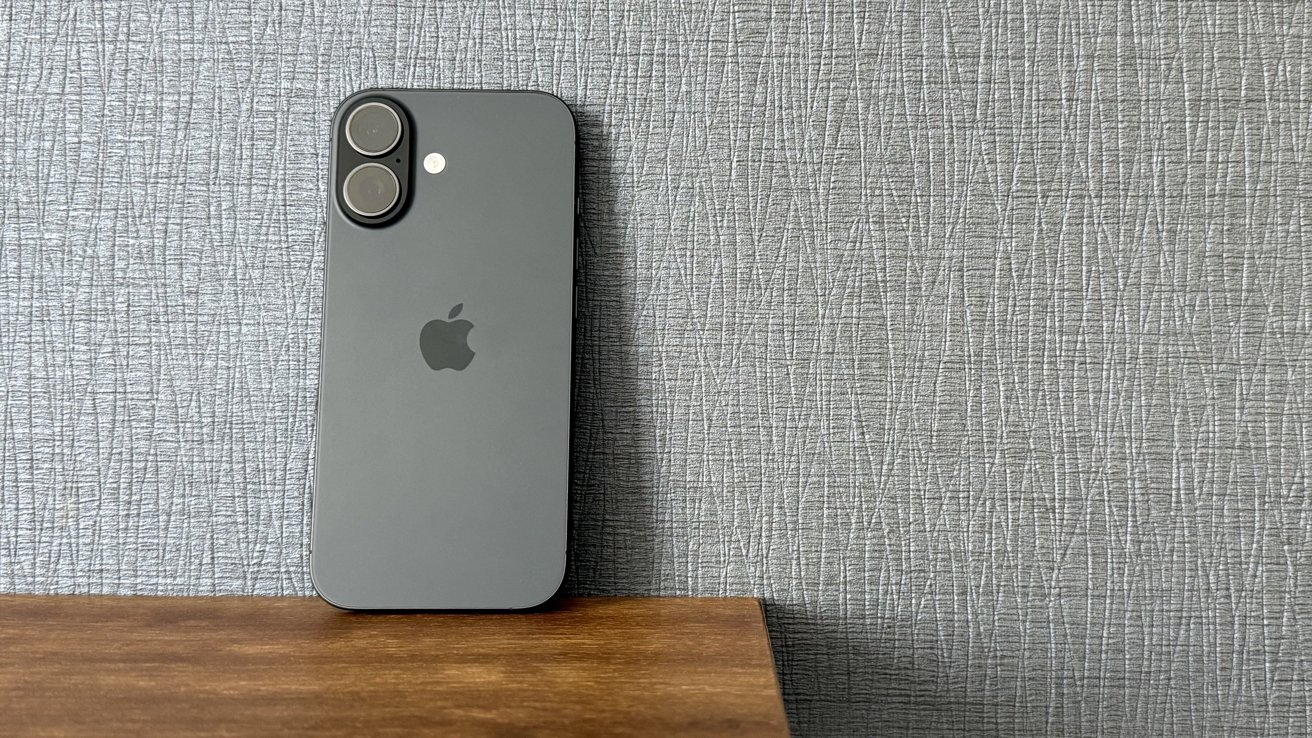
iPhone 17 review: The design hasn't changed, though it's slightly taller
My top request was a more antireflective display. I'd have taken something similar to the iPad Pro's matte finish, but anything that would boost outdoor usage would have been welcomed.
Apple met us halfway, decreasing the amount of light reflected, but not by a lot. It looks better in direct light than the iPhone 16, but it is still prominent.
It doesn't go far enough by any means. It's minimal enough that I don't think users will notice the difference unless side by side.
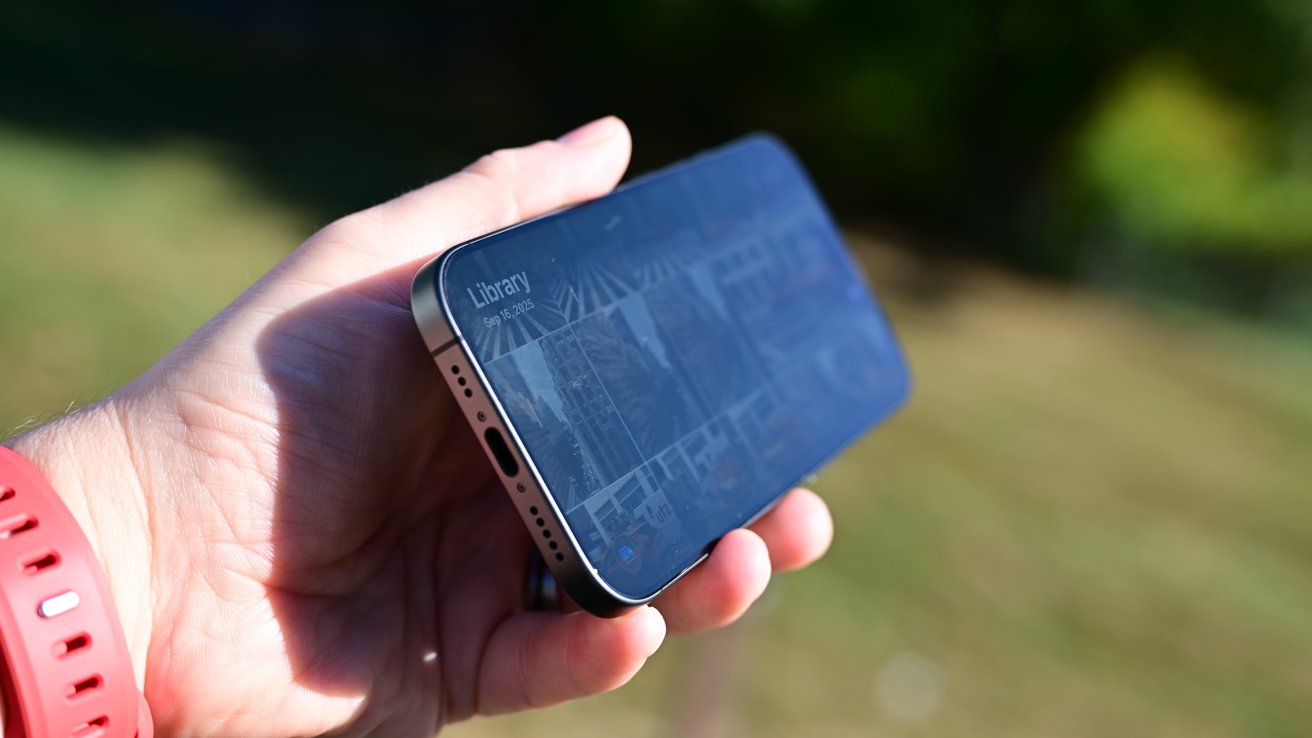
iPhone 17 review: The new phones all reflect less light
What's more helpful is the 3000 nits of peak outdoor brightness, up from 2000. The brighter display is easier to see, even with glare.
iPhone 17 review: Internal upgrades
Internally, the iPhone 17 had more of a glow-up.
The processor has moved to the A19, which has the same 6-core CPU and 5-core GPU configuration as the A18. It now, though, has what Apple calls Neural Accelerators for boosting its AI performance.
iPhone 17 review: The only phone with the a19 processor
It's not the only new chip, though. Apple is also bestowing the entirety of the iPhone 17 line with its new N1 processor.
The N1 is Apple's first networking chip and is used for Wi-Fi 7, Bluetooth 6, and Thread support. Wi-Fi 7 and Thread were already there, but it's an upgrade for Bluetooth from version 5.3.
This new chip may not necessarily show any performance gains — Wi-Fi speeds looked similar for me — but it definitely plays a part in battery life.
Speaking of which, battery life is now raised to 30 hours of video playback. That's a nearly 40% increase if taking Apple's test at face value.

iPhone 17 review: The black is a classic look
It's only been a few days so far using the iPhone 17 as my daily driver, but I'm easily making it through the day. It is definitely better than my experience with the iPhone 16 by a few hours.
Other internal changes saw the wireless charging increase from 22W with MagSafe or Qi 2.2 to 25W and an updated dual-frequency precision GPS.
Plus, storage has doubled for the base model. The entry-level iPhone 17 now starts with 256GB of storage rather than 128GB, with an optional 512GB option.
iPhone 17 review: Performance
I ran several of the standard benchmarks after a few days of use, making sure the phone had done the usual background indexing that is typical upon setup.
Geekbench 6 improved from 3306 to 3502 for the single-core test and from 8009 to 8810 on the multi-core. Roughly a 10% increase, which is acceptable if unremarkable.
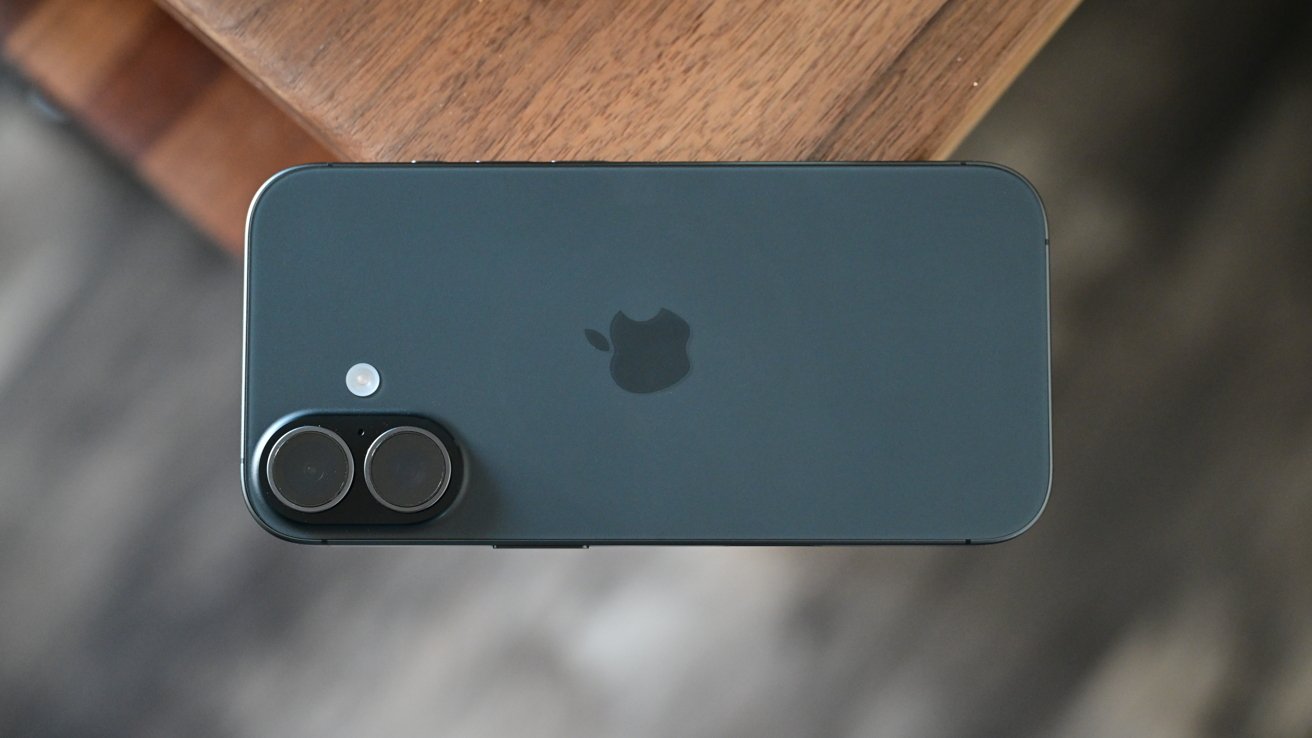
iPhone 17 review: Same design but many new internals
Last year we had higher gains on the A18 chip, which leapt about 25% for the single-core score. This year it appears the Pro chips may have the more substantial improvements, especially when combined with their new cooling system.
Fortunately, the iPhone 16, a year later, was still fast and reliable, and I expect the iPhone 17 to be similar in that regard. I noticed no slow performance while using this phone.
If you dig into high-end games like the latest Hit Man or Destiny Rising, load times are prolonged, and frame rates dip when compared to the iPhone 17 Pro with vapor chamber cooling, but they're still very playable and smooth.
Expect to hear more about vapor chamber cooling in our iPhone 17 Pro review.
iPhone 17 review: Cameras
When it comes to cameras, we have the TrueDepth camera system within the display and two cameras on the back. The controversial Camera Control is still here.
I believe Camera Control is the best way to open the Camera and snap photos. It's been easy for me to adapt to, and I'm happy with what it bring to the party.
It is polarizing, though. We don't even all agree on the utility of the button amongst the AppleInsider staff.
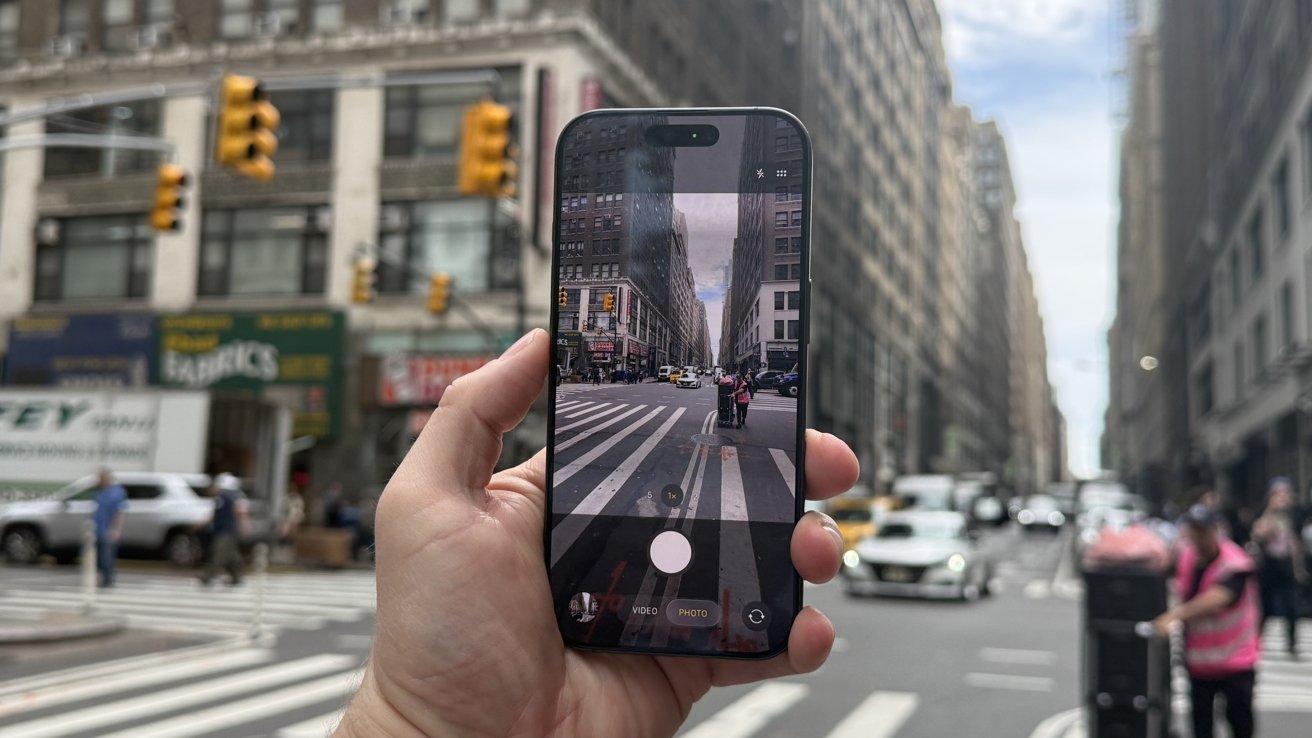
iPhone 17 review: Taking photos on the street with iPhone 17
Starting with the two rear-facing lenses, we now have two 48MP cameras. Previously, the ultra-wide camera was only 12MP on the entry-level model.
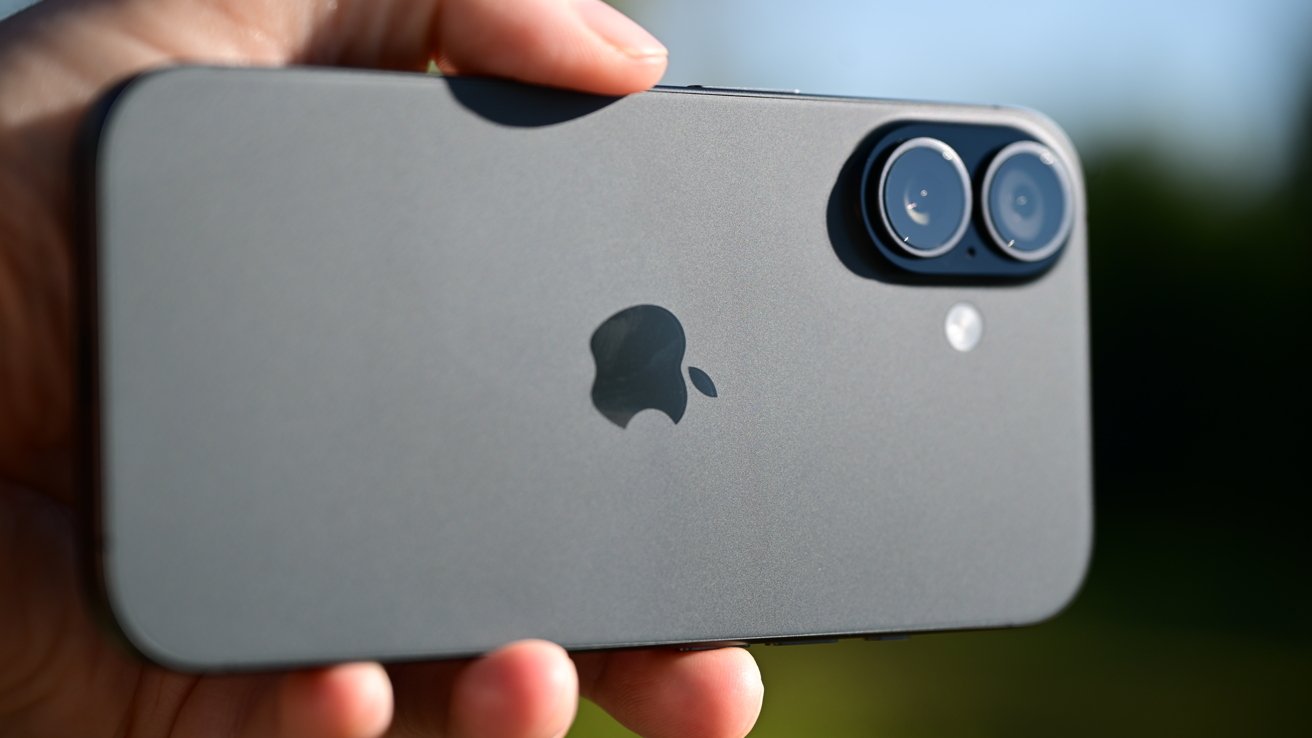
iPhone 17 review: Both rear cameras are now 48MP
This means greater clarity on ultra-wide and macro shots. I personally have some fun with the ultra-wide lens, so this was good to see.
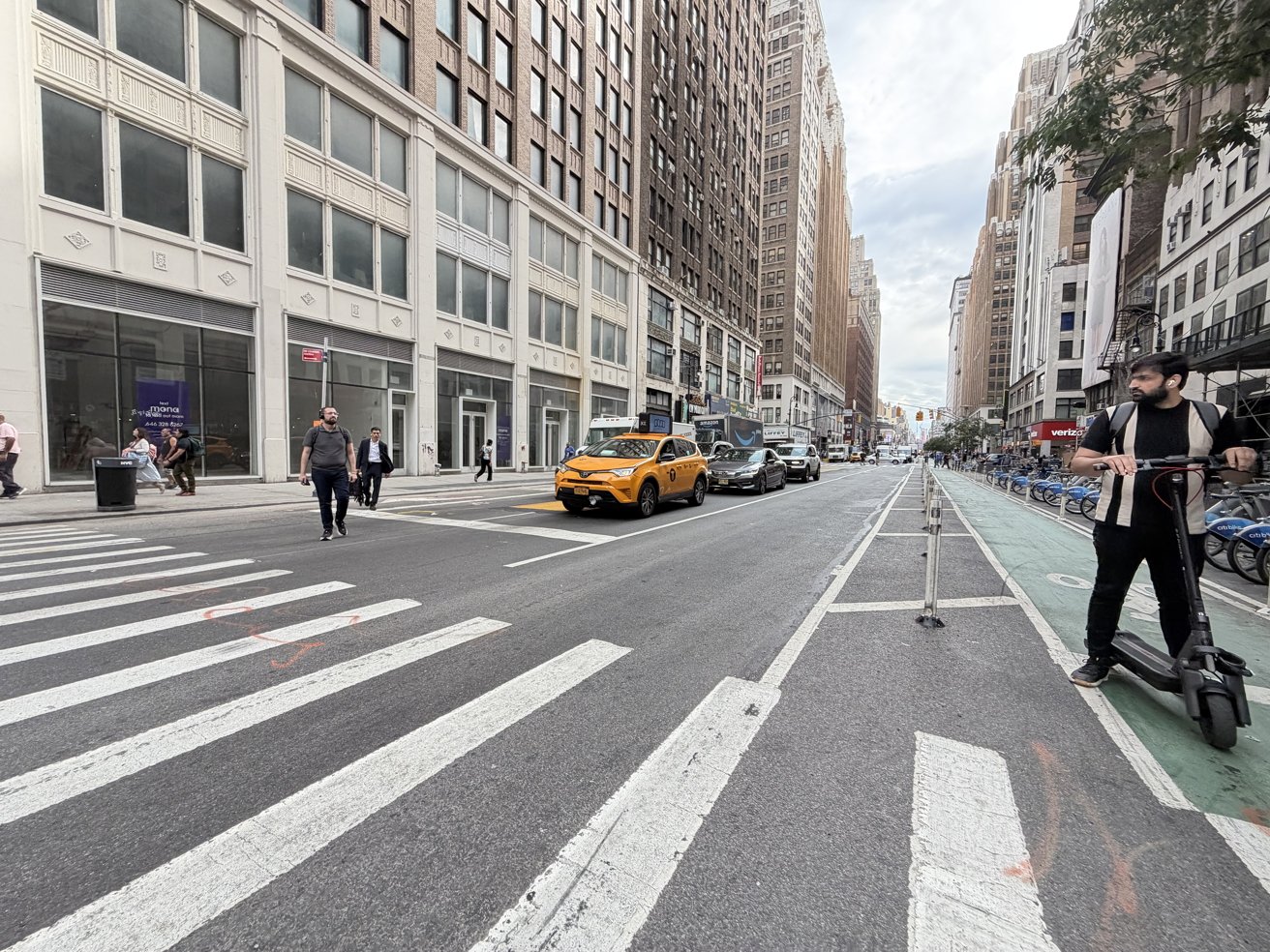
iPhone 17 review: A sample shot with the ultra wide lens
Taking some city shots, I was able to capture much more in frame than the single camera found on the iPhone Air or iPhone 16e.
It's still very stylized, and you get warping if too close, but it's great for cities, landscapes, and those times where you want that recognizable distortion.
Macro shots were for sure sharper, as I took some closeups of bugs, foliage, and a blue bird feather. If you take a lot of macro shots, this will be beneficial.
The main wide camera doesn't seem to have changed much. It's still largely the same, though Apple has a new image pipeline.
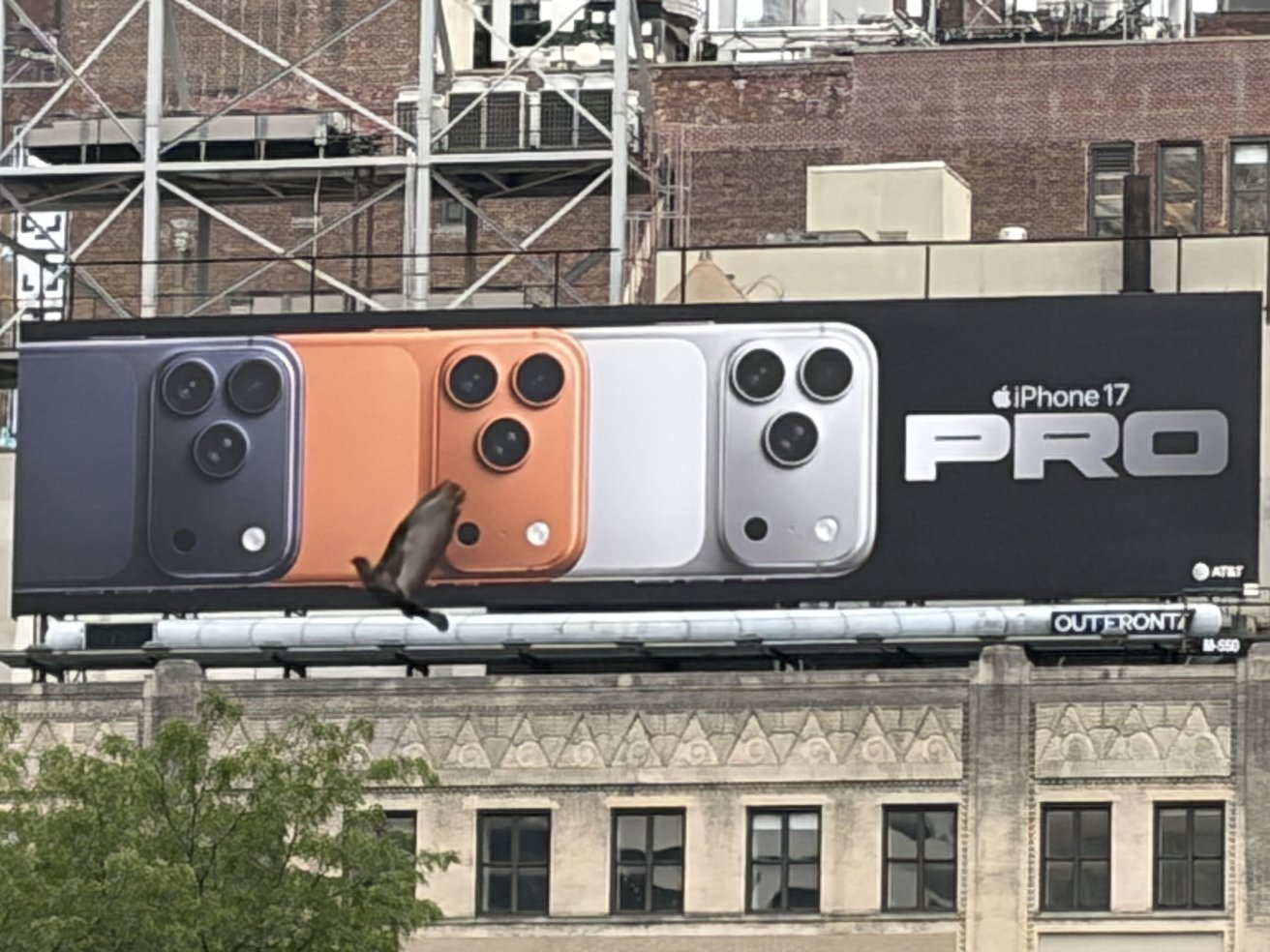
iPhone 17 review: Sample at 10X digital zoom
The photos looked great, and due to the 48MP sensor, you can get 2X optical quality zoom. In total, it goes up to 10X digital zoom, which was helpful as I zoomed in on a billboard for Apple's new pro phones.
I'm more excited than usual because it's not just the rear-facing system that got an upgrade. The front-facing shooter got a much-needed overhaul too.
Apple is using a new square 18MP sensor for the selfie cam and that wowed me.
Not only is that higher resolution than before, but it also allows Apple to do a bunch of neat tricks. For example, you can take landscape selfies while keeping the phone vertical.
You can do this manually or turn on an auto mode that will adjust the frame for you based on how many people are joining the photo. I don't take many selfies on my own, but I do love taking them with my kids, partner, and friends.
The photos from this updated sensor look great and have less noise and more detail than the iPhone 16 sensor. There are other benefits too for video.
It has a new Center Stage feature to capture video from both cameras at the same time. The inset video can be moved to any corner, and it outputs a single rendered video, mimicking exactly what you see on the screen.
Some have wondered why Apple is limiting this feature to the new phones, but there is a very good reason — stabilization. It's using that larger selfie sensor to stabilize the front-facing camera at the same time as the rear sensor.
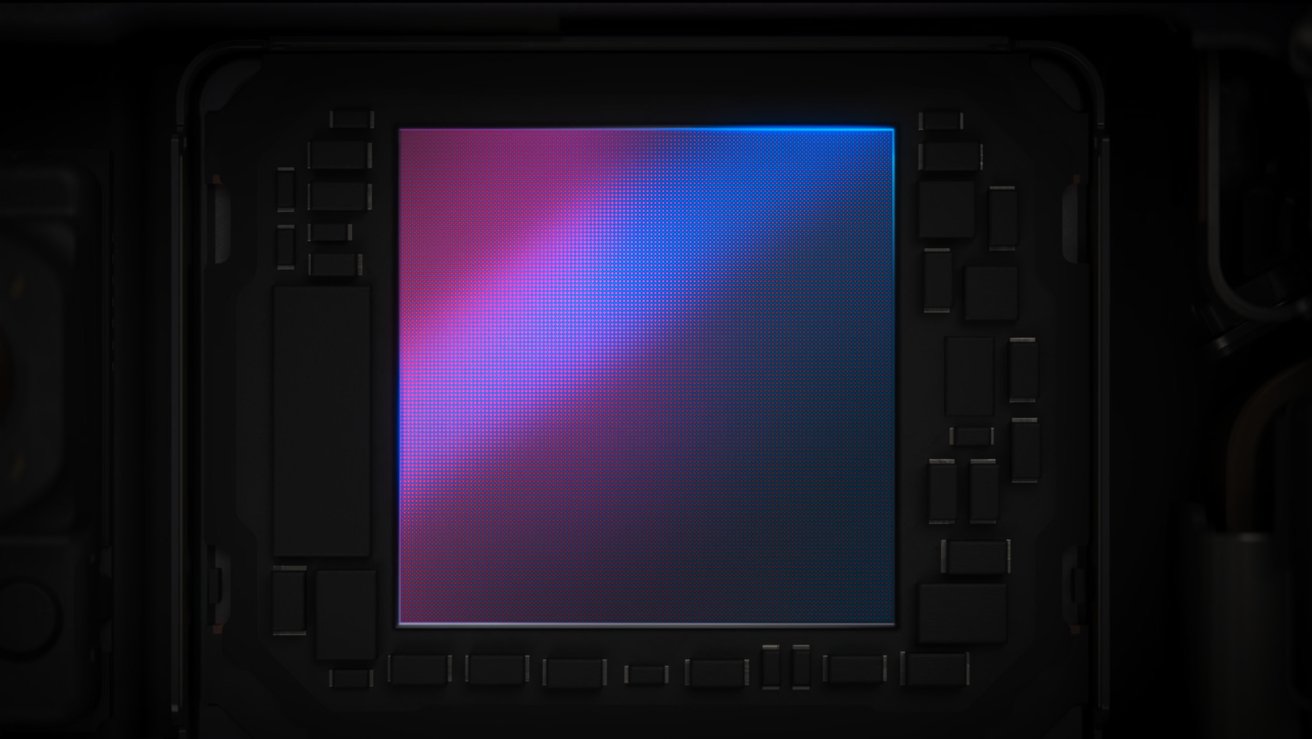
iPhone 17 review: The new sensor is square which gives a bunch of benefits
As I moved the camera around, I was surprised at how well both video streams stayed stabilized. That level of stability wouldn't be possible without the larger sensor.
The larger sensor essentially allows additional footage to get captured outside the frame, and then software is used to analyze the frames and stabilize it. The old, smaller sensor just relied on optical image stabilization which isn't quite as effective in such a small space.
iPhone 17 review: Not flashy, but a great value
Here's the thing — this phone does not look new. If you want the status of people knowing you purchased the latest iPhone, this is not the one you should be buying this generation.
Go grab the shockingly thin iPhone Air or the bold iPhone 17 Pro. Those are going to be instantly recognizable — especially if you go with the orange iPhone 17 Pro.
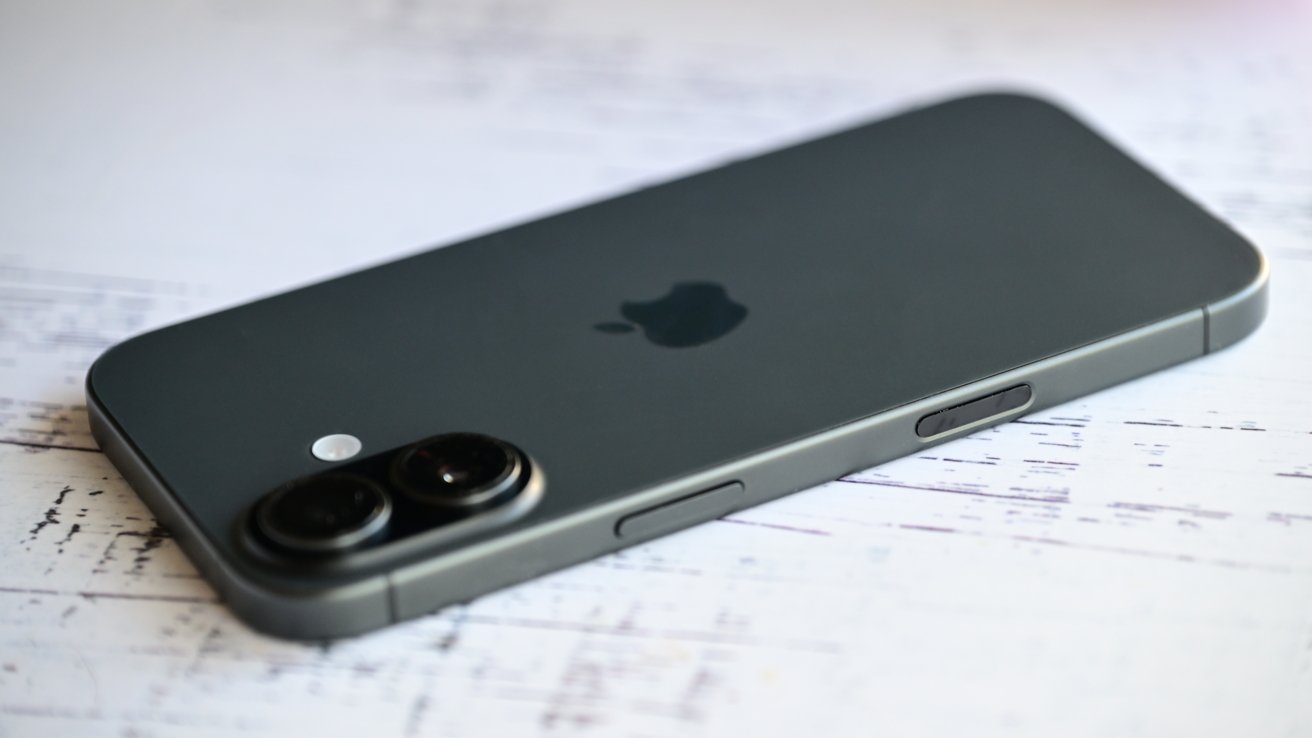
iPhone 17 review: The updated iPhone 17 is a great value
The reality is that this phone is a pretty incredible value for iPhone users. The display got a big upgrade, the front-facing camera is a huge improvement, and in part thanks to the A19 and N1 chips, it has nearly 40% more battery.
Apple Intelligence is supported here too, though I didn't touch on it much. It won't really become a big deal until the next-generation Siri launches.
This phone has all the Apple Intelligence features that have rolled out over the last year, from Visual Intelligence using the Camera Control to the Clean Up tool in Photos, to ChatGPT integration in Siri.
If you're coming from an older phone that didn't support Apple Intelligence, it will all be new to you, and it works well enough. There are just more exciting features coming.
You'll find more exciting features on other models or even other ecosystems. Not everything is a flagship, or needs to be one.
Early buyers overwhelmingly flock to the Pro models, and it's hard to tell right now how the iPhone Air is doing. The two pro phones have a lot of "nice to have" features like faster performance and an additional camera.
There's a reason the core non-Pro model takes over sales in about December through the rest of the year. It's the phone for most of the user base, and the iPhone 17 is no exception.
The iPhone 17 is a great value across the board and an easy recommendation for typical users.
iPhone 17 review: Pros
- New colors
- A19 shows significant performance gains
- ProMotion display with always-on tech
- 25W Qi2.2 charging — assuming you've got the gear for it
- Front-facing camera is a huge upgrade
iPhone 17 review: Cons
- No redesign like its bigger siblings
- Antireflective display falls behind competition
- No new device-specific features for Apple Intelligence
Rating: 4.5 out of 5
Where to buy Apple's iPhone 17 at a discount
Wireless carriers are incentivizing iPhone 17 purchases, with the best iPhone deals providing up to $830 in bill credits at press time. Here's a roundup of the top promotions:
- T-Mobile: Get an iPhone 17 on T-Mobile, with no trade-in required*
- AT&T: Get an iPhone 17 for as low as $0/mo with a qualifying trade and plan*
- Verizon: Get up to $830 off Apple's iPhone 17 with a new line and qualifying trade* *Terms and conditions apply. Please see the carrier's site for details.