Despite mostly ignoring the role that Find My can play to recover stolen iPhones shortly after a theft, police in the UK have managed to bust a major smartphone theft ring, after a victim tracked their iPhone with the technology.
Visitors to London have to be wary of having their iPhone or other valuables stolen more than any other part of the United Kingdom. Following an investigation and multiple raids by the Metropolitan Police, one major ring has been destroyed.
Described to the BBC as the UK's largest ever operation against phone thefts, a total of 18 suspects have been arrested. They are part of an international gang believed to have smuggled up to 40,000 stolen mobile devices from the UK to China in the last year.
There were raids on 28 properties in London and Hertfordshire. More than 2,000 stolen devices were seized by the authorities.
Find My iPhone(s)
The investigation was originally triggered by a person who had their iPhone stolen, Detective Inspector Mark Gavin explained. In December 2024, the victim had "electronically tracked" their stolen iPhone, referring to Find My, to a warehouse near to Heathrow Airport.
Security at the location discovered the iPhone in a box along with 894 other devices. Almost all of them had been stolen, and were due to be shipped to Hong Kong.
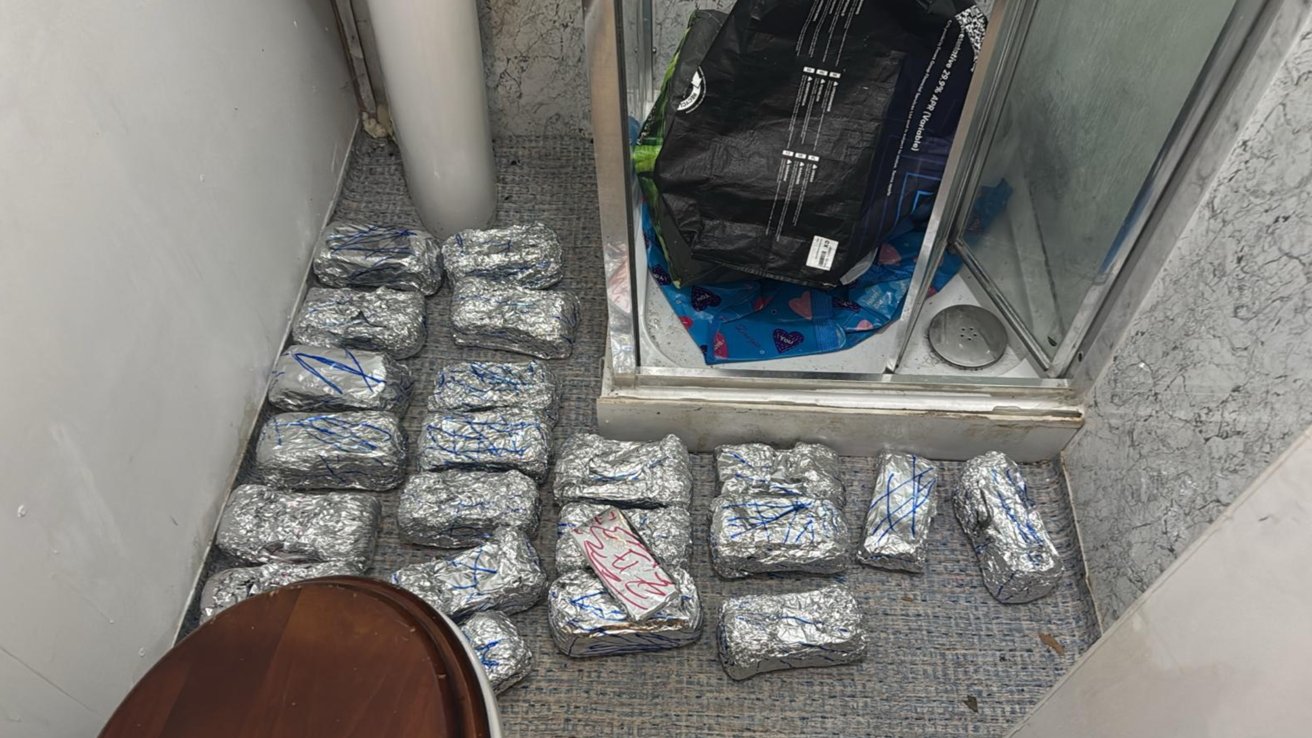
After intercepting other shipments, the police managed to identify two men, who were then arrested. The stolen smartphones that the men had were wrapped in foil to attempt to shield the devices from being tracked via cellular or Bluetooth signals.
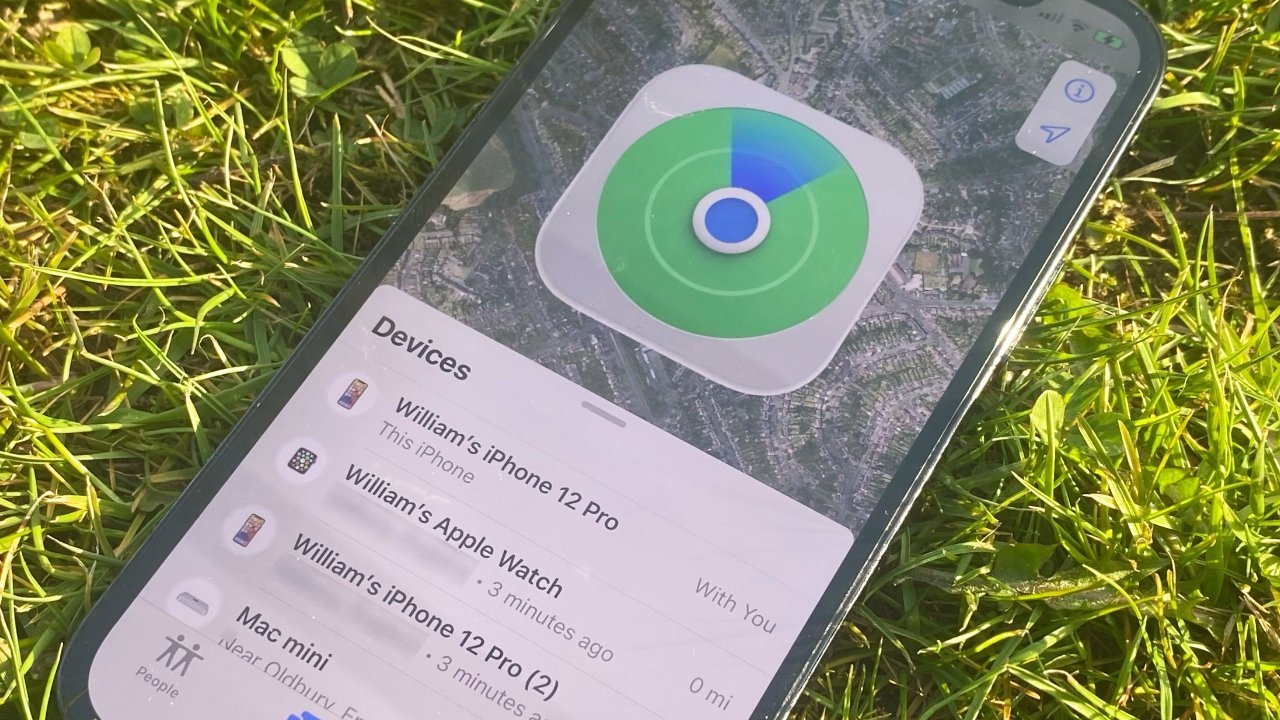
Find My on an iPhone
Another 2,000 devices were found at properties linked to the two men. A third was later arrested, with the trio charged with conspiring to receive stolen goods, and conspiring to conceal or remove criminal property.
After that discovery, the investigation later uncovered an international smuggling ring. The scale of which was thought to be large enough to account for the export of up to 40% of all stolen phones in London.
Later, 15 more arrests were made against 14 women and one man. Charges included suspicion of theft, handling stolen goods, and conspiracy to steal.
However, morning raids for those arrests yielded only another 30 stolen devices.
A lucrative business
Smartphone theft in London is a very high-paying task for thieves in London. According to policing minister Sarah Jones, some criminals are switching from drug deals to phone theft due to it being more lucrative.
The gang in question were targeting Apple products due to being more profitable in China than other devices. Thieves in the UK were being paid up to 300 pounds ($400) per handset.
Over in China, the same devices were sold for up to 4,000 pounds ($5,360) apiece, as a way to bypass local Internet censorship restrictions.
A background of apathy and confusion
While this is a rare major success in tackling iPhone crime in the UK, it doesn't arrive without complaint. Victims have frequently criticized police for not doing enough to help them.
In many cases, victims complained that officers weren't helping, even when victims were able to use Find My and other tracking services to give real-time locations of stolen hardware. This bust taking months after the theft is a pretty good indication that beat cops didn't use Find My at all near to the time of theft.
London Mayor Sir Sadiq Khan credited the Met's boosting of visible neighborhood policing and special operations in hotspot areas for hundreds of phone theft arrests. However, that didn't stop the mayor from making a request of Apple and other phone makers.
"I will continue to call on the mobile phone industry to go harder and faster in designing out this crime by making stolen devices unusable," he proclaimed. This was a recall of a previous accusation by Khan in 2023, demanding Apple come up with a way to stop smartphone thefts.
This sentiment was oddly echoed by UK lawmakers in June, with the insinuation that phone makers aren't doing enough because they are profiting from it.
Apple already has many systems in place to lock down a stolen device and clear the data, rendering it effectively unusable and practically useless except for some spare parts.
Ironically, the UK government has also called for Apple to eliminate parts pairing. Apple claims that parts pairing reduces the value of stolen smartphones, by making it harder to use parts stripped off of stolen devices.
So, it appears Apple is already doing whatever it can to make the iPhone useless to criminals. It's hard for Apple to do more, short of actually policing the streets for itself.
Given the Metropolitan Police faces losing some 2,000 officers to deal with a 260 million pound ($349 million) hole in its budget over the next year, it seems to be a case of politicians pushing the blame onto Apple for the rise in thefts at a time when those thefts could end up getting worse.