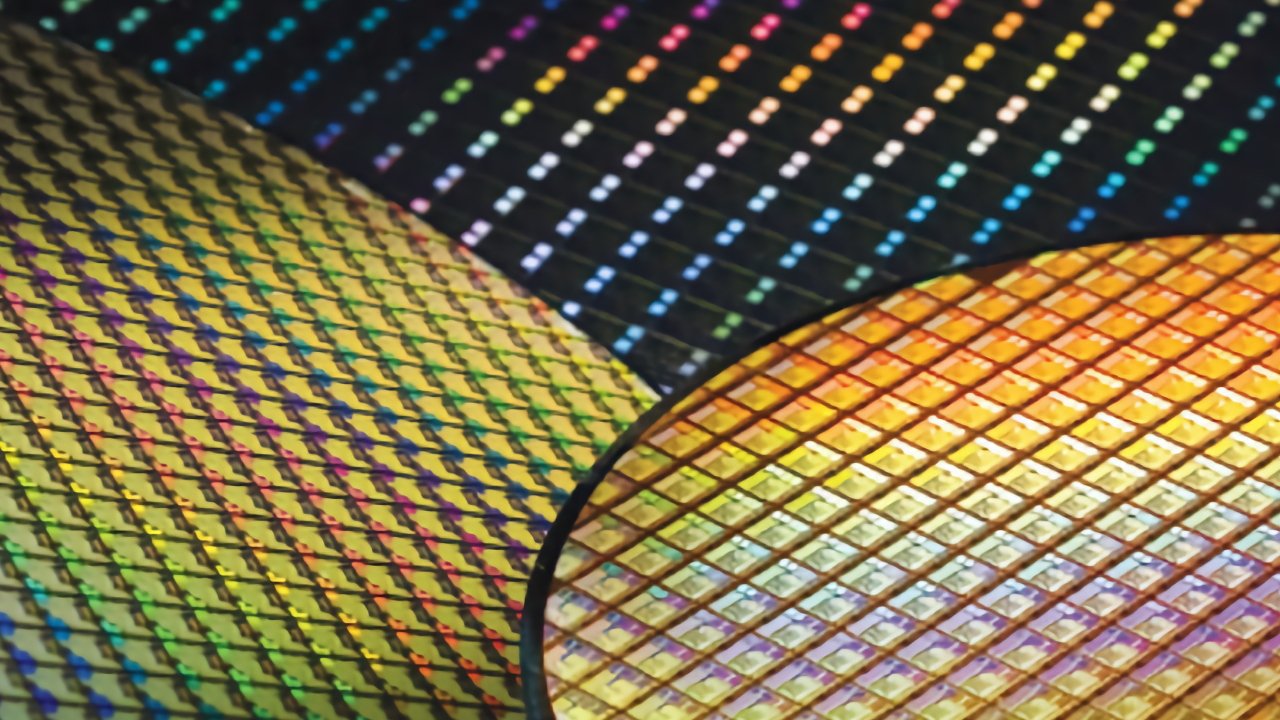
The 2 nanometer chip fabrication technology expected in the iPhone 18 A20 processor is expected to cost 50% more to manufacture, but given history Apple is not likely to pass on the increase to users.
Back in September 2024, it was reported that manufacturer TSMC was working on the new 2nm processor for the iPhone 18 — and that it would be expensive. There was no indication of how much more costly it would be, but there was a presumption that the price would mean Apple would limit this processor to the iPhone 18 Pro models.
Now according to China Times, that price increase will be at least 50%. Significantly, not even Apple's enormous buying power will get it any discount.
That's because while no figures have been released, TSMC's capital expenditure in developing the new process is said to have been huge. Then it's also so new that only now is the yield — the proportion of functioning processors from each batch — acceptable.
Total cost of materials
The new report does also claim that the cost of most smartphone components is rising, such as storage. The publication does not provide further data on that claim.
So there may well be other pressures on Apple to increase prices for the iPhone 18 range, but the processor is not the greatest cost to the company. According to an October 2024 report by Digitimes, it's the rear camera assembly that is most expensive for Apple.
That report also details, though, that the then-new A18 processor in the iPhone 16 range cost $45. It was estimated that the bill of materials for the iPhone 16 was then around $416.
So the processor costs in the region of 10% of Apple's total manufacturing cost. The iPhone 16 retailed for $799, so on its own, the processor is about 5.6% of that price.
None of this takes into account development costs or worldwide shipping. But it at least suggests that Apple could choose to absorb the higher cost rather than raise prices — as it has for rises over the last many years.
Which models may be affected
That original report that Apple would confine the 2nm processors to the iPhone 18 Pro range were later updated. Analyst Ming-Chi Kuo said in March 2025 that the whole iPhone 18 range would get the new processor.
Reiterating my prediction from six months ago: the 2H26 new iPhones (iPhone 18) will be powered by TSMC's 2nm chips.
— (Ming-Chi Kuo) (@mingchikuo) March 22, 2025
Worth noting, TSMC's 2nm R&D trial yields reached 60-70% three months ago, and they're now well above that. https://t.co/ZoWXFqfUnS
Kuo specifically stated then that TSMC was seeing 2nm yields in excess of 70%. There is no reported industry average, but certain processor wafers can yield as little as 30%, which puts some doubt on the new report's claim that TSMC's yield has been constrained.