
Two human rights organizations want the European Union to force Apple to remove all barriers to making third-party app stores — but it's an unnecessary demand that ignores that the iPhone remains the greatest freedom of speech and expression hardware ever made.
Users in the European Union are now able to buy iPhone apps from third-party alternatives to the App Store. Apple has consistently objected to opening up the iPhone, and tries to limit privacy issues — but now two groups are complaining that it is overstepping the mark.
The two are Article 19 — a UK-based human rights organization which works worldwide — and Berlin-based Gesellschaft fr Freiheitsrechte (GFF), which translates as Society for Freedom Rights. Their joint argument is that Apple's conditions for developing a third-party app store are intentionally designed to prevent companies doing it.
"It's time Apple users are free to access apps from their app store of choice," Maria Luisa Stasi, Article 19's Head of Law and Policy for Digital Markets, said in a statement. "The EU rules mandate it — but Apple hides behind unfair, unnecessary, and disproportionate terms and conditions, making it impossible in practice."
Specifically, the two organizations object to how Apple's conditions require a would-be developer to provide a security deposit of one million euros ($1.2 million).
Apple's actual requirements — detailed in its developer documentation — phrase it slightly differently. It says that one option for such developers is to provide "a stand-by letter of credit" for that amount from an A-rated financial institution.
However, it also says that developers can alternatively create such an app store if they have been in the Apple Developer Program for two continuous years, and have a successful app. It defines success as being an app that has over a million installs in the EU in the previous calendar year.
GFF and Article 19's full complaint to the European Commission also touches on other DMA issues such as rivals getting free access to iPhone features. But the key part is that getting a one million euro letter of credit — and its annual renewal — costs money that is an unfair burden on a small company.
The two also maintain that Apple's one million installs is too high a barrier for such firms. And that the two-year part of this alternative to the letter of credit, is arbitrary.
This complaint asks the European Commission to declare Apple as not complying with the DMA. It wants the EC to get rivals to tell Apple how to do this all fairly.
And it also demands that Apple no longer be allowed to notarize all apps before they go on sale.
The scope of the complaint
The two organizations are heavily promoting that their complaint objects to the one million euro option. But the full text is really just repeating the same arguments that have led to the EU making the demands it already has — and that Apple is currently objecting to.
GFF and Article 19 make a valid point about that one million euro letter of credit being a burden. It is a burden, but it is also a guarantee that a company firing up an app store has the financial ability to deal with claims and support for users.
It's also certainly true that Apple could have set a lower barrier than one million installs, or chosen any other number of years to define a developer's standing.
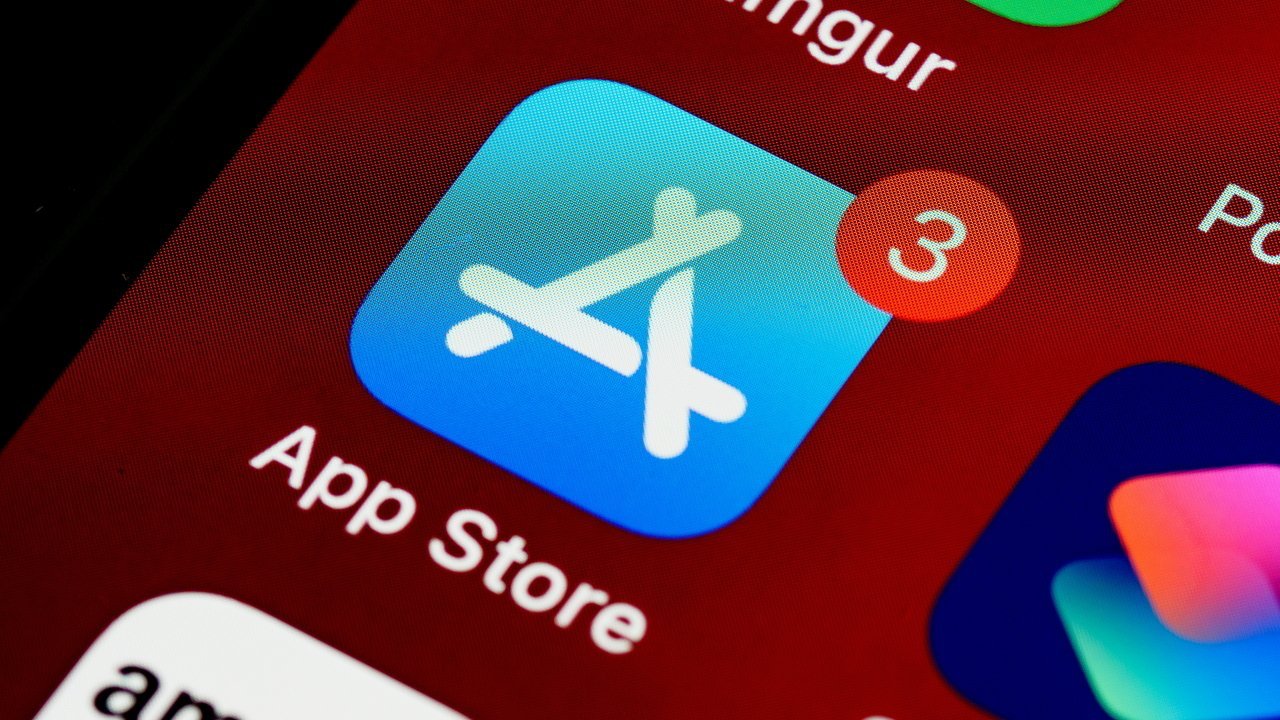
The complaint says anyone should be able to make a third-party App Store — but anyone can already make an app
But the organizations are arguing against these limitations in a way that suggests they don't think there should be any barriers at all. The complaint's last point about notarization underlines this — they don't want Apple to have any control over iPhone apps whatsoever.
The intention behind this is honorable and is meant to give small firms an equal voice in apps. The two organizations say that Apple's terms "effectively exclude smaller providers from Apple's operating systems — harming developers of free software in particular."
That's a ridiculous claim.
There is nothing at all preventing any organization developing an app and having it distributed entirely for free by Apple. Nor is there any block on groups concerned about free expression from making a progressive web app or a website that can be viewed on the greatest and most ubiquitous freedom of expression tool ever made — the internet through the iPhone.
Even within the EU, said developers could also develop an app and submit it to existing or new alternative app stores.
So the argument that making it harder for firms to create whole iPhone app stores is disingenuous. Not being able to spin up an app store on demand does not stifle any small business's freedom of expression — and it does provide a measure of protection for users.
If any business can make a third-party app store, there will unquestionably be a dramatic increase in malware and apps that breach Apple's privacy requirements. The iPhone is a computing appliance with a low knowledge barrier for entry, not a general purpose computing device.
Users used to trusting the App Store are likely to assume another app store is the same, and they will be wrong.
This is going to happen regardless. But Apple's barrier to entry, and most specifically how notarizing lets it turn off rogue apps, is the only protection users have.