
Apple is back in court, appealing a contempt finding tied to a judge's order mandating alternative payment options in the App Store.
Apple returned to a federal appeals court on Tuesday to seek the reversal of a recent contempt ruling issued by US District Judge Yvonne Gonzalez Rogers. The judge found Apple "willfully ignored" a previous injunction.
That earlier order required Apple to open the App Store to alternative payment methods. Now, Apple argues the lower court went too far and misinterpreted the scope of the original injunction.
The United States Court of Appeals for the Ninth Circuit shared a video of the deposition. Both Apple and Epic appeared, each presenting the court with its own arguments.
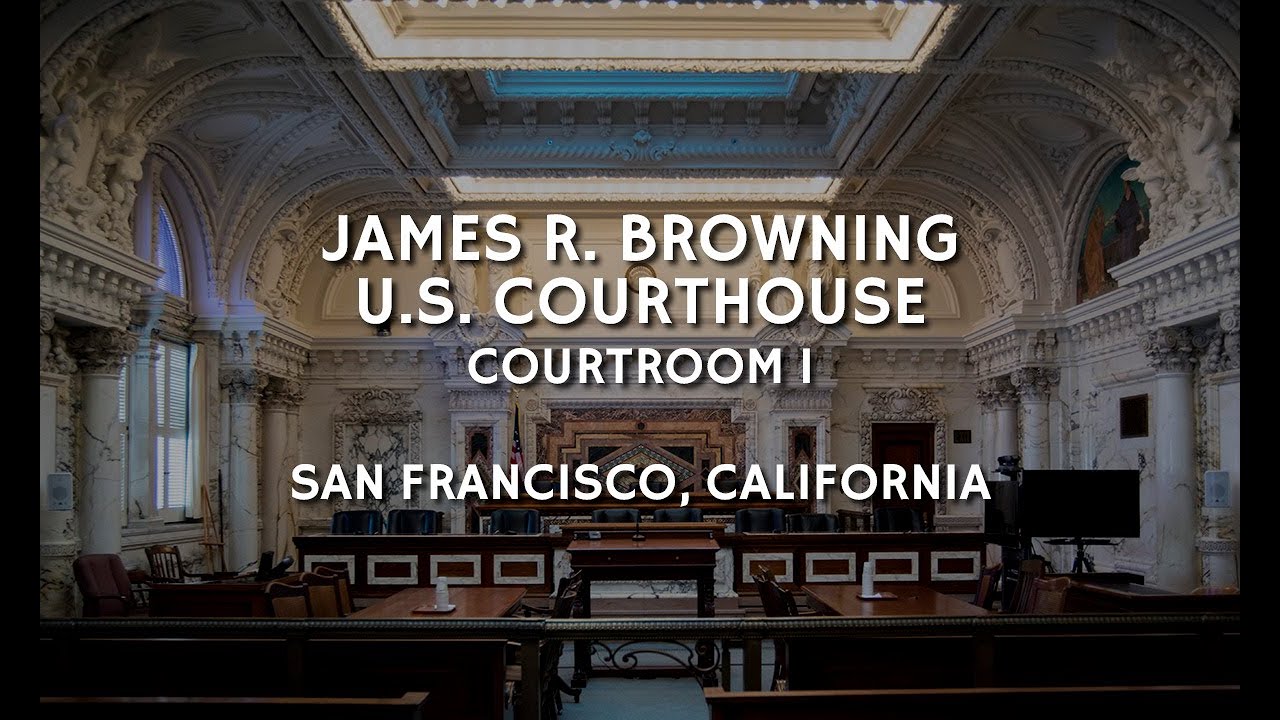
For its part, Apple argued that the lower court went beyond its authority in banning all commissions on external purchases. Apple's lawyer even went so far as calling the order "punitive."
Apple also claimed that it had never intended to violate the order in the first place. It simply came up with a number that it deemed appropriate.
"If the district court thought our interpretation was wrong, the appropriate remedy was clarification — not a contempt finding," Gregory Garre, Apple's lawyer, argued.
Apple's current position is that it should be allowed to counteroffer with a lower commission rate. Essentially, Epic shouldn't get a free ride to make as much money as it wants while still reaping the benefits of Apple's hardware, software, and user base.
Epic came prepared to hit back at Apple. It claimed that Apple took a calculated risk in violating the original order.
"Apple had every opportunity to seek clarification if it thought the injunction was unclear. It didn't do that," Gary Bornstein, Epic's lawyer, told the court. "Instead, it went ahead with a plan that directly contradicted the order. They don't get a do-over now because they lost that bet."
The courts were sympathetic to Apple's argument. One justice even pointed out that there was nothing in the injunction that strictly prohibited Apple from charging a commission.
It did, however, suggest that Apple knew what it was doing when it rolled out its overly complicated solution.
The panel of judges didn't immediately rule on the matter. A decision is expected in the coming months, but probably not in 2025.
Apple and Epic have been fighting over App Store commissions for five years now. The fight began in 2020 when Epic willfully ignored Apple's App Store and provided an in-app link to an outside payment platform.