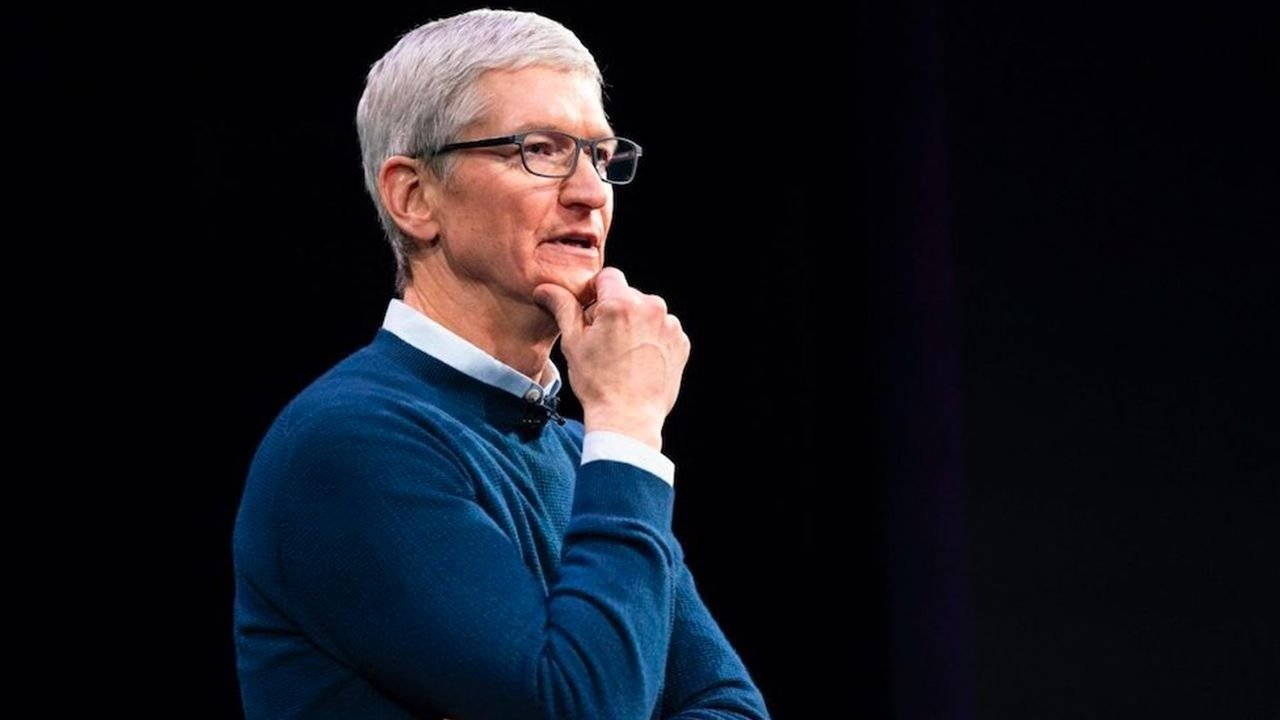
Apple CEO Tim Cook was only asked about iPhone Air's early performance once, and he didn't say a single meaningful word about it. We're not surprised.
We were surprised. After a month of drama from analysts complaining about iPhone Air sales not being what they wanted, one analyst in the last 10 minutes of the call asked Tim Cook about it. Cook dodged the question reminding the listeners that they don't break out individual model sales.
And, he didn't volunteer anything about it at all in any other comment or in the preamble, other than saying that the iPhone 17 is generally constrained, worldwide.
Across the entire staff, we have over a century of experience reporting on Apple publicly. If you count private analysis, that number climbs to a century and a half.
We are absolutely not surprised that Tim had absolutely nothing to say about it.
Let's get you up to speed on the last quarter, in case you missed the drama.
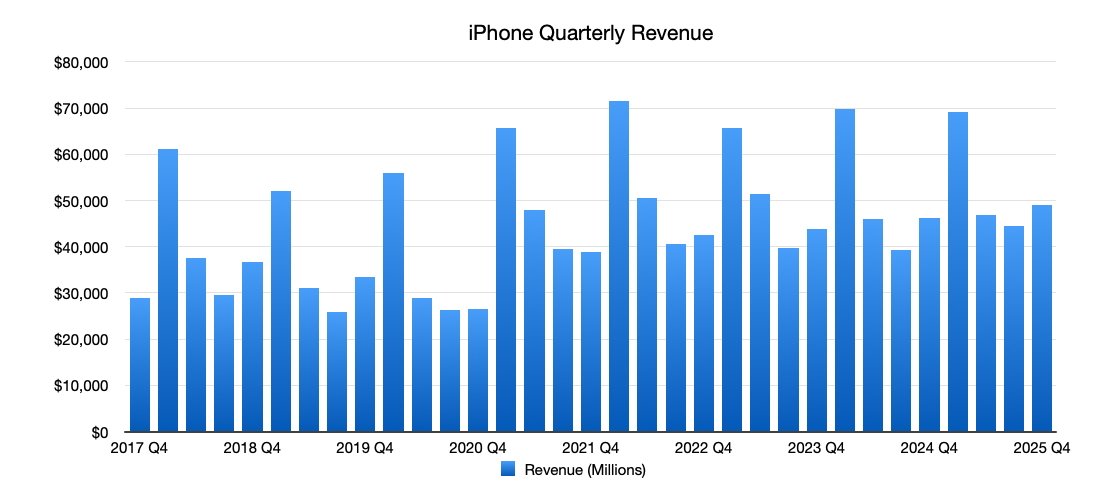
iPhone quarterly revenue as of Q4 2025
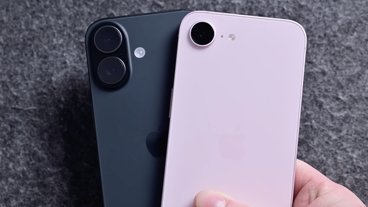
Apple introduced the iPhone Air with the iPhone 17 line in September 2025. The new model is slimmer, lighter, and eSIM-only, aimed at buyers seeking a fresh design without Pro pricing.
The iPhone Air attracted modest interest but the iPhone 17 Pro Max dominated Apple's keynote and early pre-orders.
Since launch, the iPhone Air's demand has become one of the biggest question marks in Apple's lineup. Analysts and supply-chain trackers disagree on whether it's underperforming or holding steady, while Apple's leadership has stayed silent.
Conflicting signals
The iPhone Air's mixed signals began soon after launch Reports in. early October suggested Apple had cut production by about one million units for the year while shifting resources toward higher-end models.
Analysts voiced skepticism however, saying that such a sharp reduction would be out of character for Apple so soon after a major launch.
By October 27, a note from TD Cowen countered those claims entirely. The firm said Apple's iPhone Air production targets remained unchanged at about 3 million units for Q3 2025 and 7 million for Q4.
The data suggested Apple was still committed to its build plan despite weak consumer sentiment surveys.
Adding to the uncertainty, Apple's late October rollout in China saw the iPhone Air sell out within minutes. Actual quantities remain unclear, and regional launches often distort perceptions of success or failure.
Tim Cook's silence and strategy
Apple stopped sharing iPhone unit sales yeas ago. Analysts now piece together clues from suppliers, surveys, and leaks.
The lack of transparency isn't surprising, but Cook not delving too deep into feels more noticeable because of it.
Relative silence doesn't always spell trouble, but it often shows where priorities lie. Cook's focus on premium devices fits Apple's strategy of boosting margins through high-end hardware and services.
Slower iPhone Air sales might not hurt profits, but it could spark questions about Apple's pricing and product lineup.
Cook is known for his measured communication style. He tends to emphasize overall company performance rather than spotlight individual products, and Apple's focus on premium hardware and services fits that habit.
Cook's silence about the iPhone Air, however, has fueled questions about its internal performance. Apple typically highlights products that outperform expectations.
When Cook overlooks a product, analysts often erroneously take it as a sign of weakness. Despite that, the lack of detail invites doubt that competitors and investors are quick to jump on.
Why the iPhone Air matters
Apple introduced the iPhone Air as a lighter, simpler version of the iPhone 17 line. The eSIM-only setup reduces physical components and marks another step away from legacy hardware.
Some buyers, especially in markets where eSIM coverage is still spotty, may have held off on upgrading.
The iPhone Air falls into an awkward space between Apple's tiers. It's slimmer and cleaner than the standard iPhone 17 but misses the camera and display upgrades that define the Pro models.
With Apple's premium phones gaining new designs and Apple Intelligence features in 2025, the iPhone Air's quieter debut may have hurt its visibility.
Small supply tweaks are routine as the company balances shipments across regions, so it's not clear where demand falls as far as Apple's expectations go.
But Apple can afford to wait, just about forever, for a product to take off.