Apple's new browser-based App Store lets anyone browse, search, and share apps across every platform, no Apple device required.
For years, Apple's web domain at "apps.apple.com" served only as a collection of individual app pages. There was no central hub, no way to browse categories or curated content, and no real search interface.
That changed on November 3 when Apple quietly turned the address into a full-featured version of the App Store built for the browser. It's a small change in appearance but a major shift in accessibility.
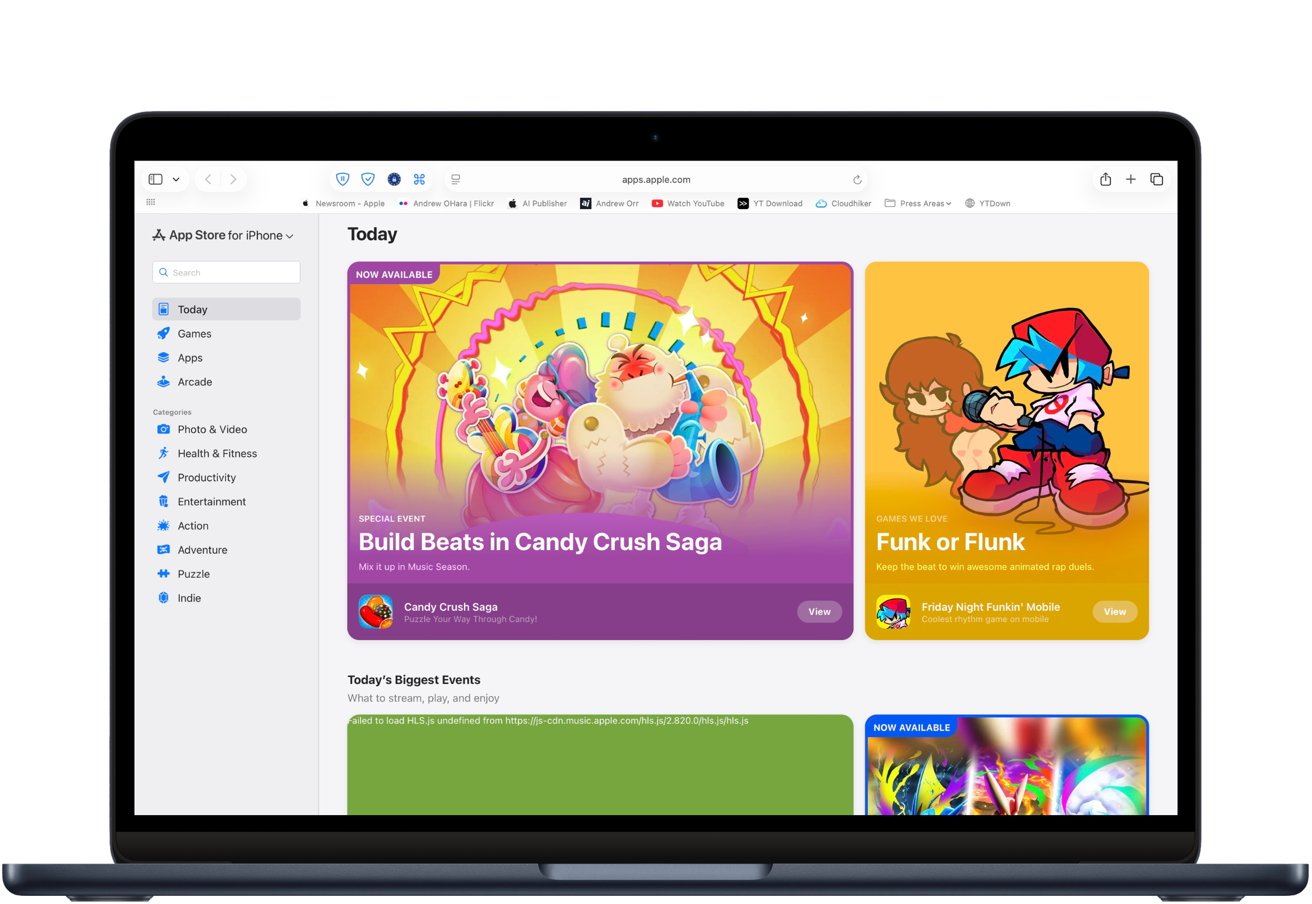
You can now open apps.apple.com and find a familiar design that mirrors the App Store experience found on iPhone, iPad, or Mac. The new site includes the Today tab, editorial recommendations, charts, Apple Arcade titles, and a search bar that works natively in the browser.
The first real App Store for everyone
Each platform now has its own section accessible from a dropdown menu. The design adapts dynamically depending on which App Store you're viewing.
Tapping or clicking on an app's View button opens a rich product page with screenshots, feature descriptions, category icons, and awards. The layout is clean, fast, and built for sharing.
You can now copy a link from any page to share an app or pass it to the on-device App Store if it's installed. Apple's editorial content, which used to be only accessible inside native apps, is now available to read directly from the web.
Why Apple built it now
The timing likely reflects a mix of practicality and pressure. Regulators around the world have been scrutinizing Apple's control over app distribution, and offering a public, easily searchable App Store could help the company demonstrate greater openness.
It also makes Apple's app ecosystem more discoverable through search engines, something developers have wanted for years. A web App Store makes it easier for developers to share direct links to their apps without relying on clunky redirects or screenshots.
It simplifies cross-platform discovery at a time when Apple's ecosystem is expanding beyond traditional devices into Vision Pro and new categories of connected hardware.
How it works
The new site mirrors the App Store's visual language across devices. Each section includes a familiar Today feed with editorial picks, featured events, and top charts.
Instant search returns results with direct access to app listings. The navigation bar lets you move between iPhone, iPad, Mac, Vision, Watch, and TV apps with a single click.
Product pages display rich media and icons like native apps. Each entry includes a title, developer name, price, screenshots, and additional badges.
Optimized for faster loading, the pages scale well across mobile and desktop browsers.
Users can discover apps from Windows, Linux, or Android, share links, and open pages in the native store later. It can help people research apps before switching devices or comparing features.
Developers benefit from improved web search visibility, easier social sharing, and a single URL for linking to all platforms an app supports. The move could drive more organic downloads, as visitors can now find apps directly through browser search.