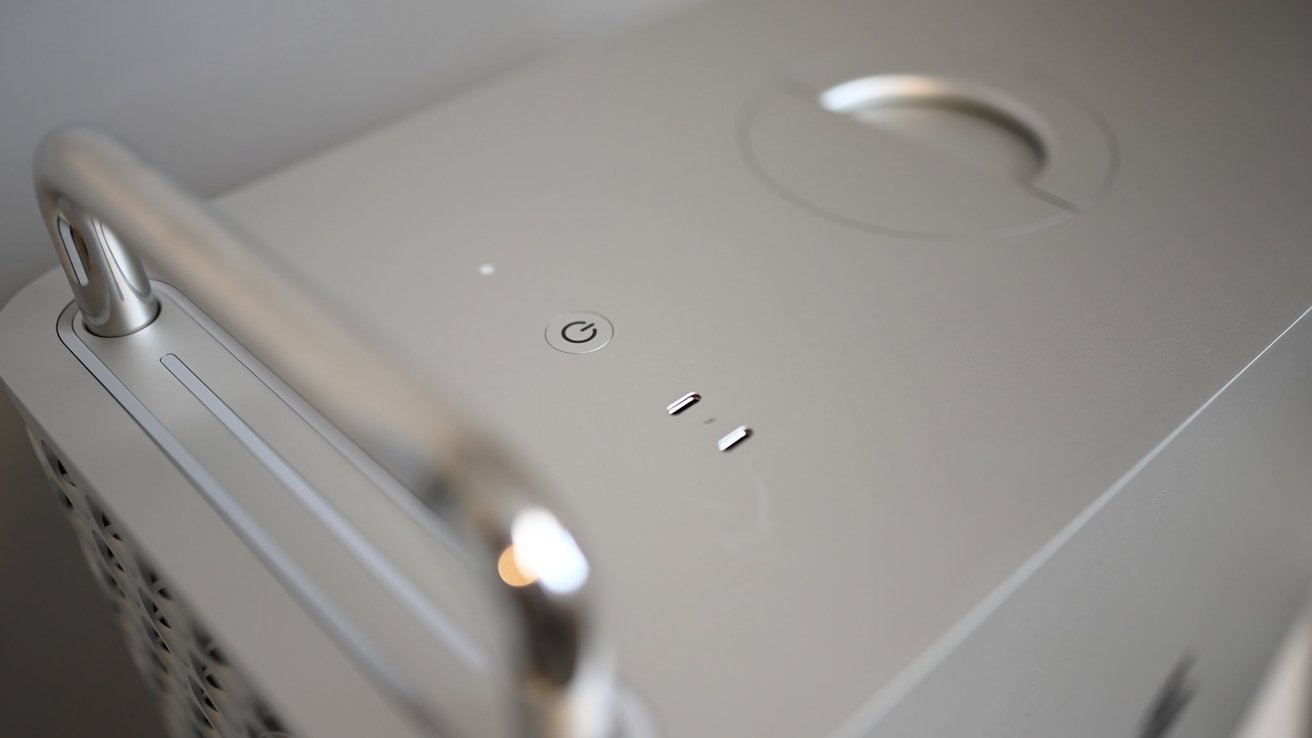
For almost two decades, the Mac Pro bounced between coveted and beloved, to derided and forgotten. Now, it's finally over.
All political careers end in failure, and all devices fade out as they are eventually superseded. Yet this time it's more that the Mac Pro has been usurped, and possibly even stabbed in the back.
If you're a Mac Pro fan, you know this day is coming, and you probably don't want to believe it. It's true that the Mac Pro has long lost its crown as the most powerful Mac, but still this is the legendary Mac Pro.
The original 1,1 Mac Pro from 2006 has been mostly left behind, thanks mostly to its 32-bit engineering and some interesting design choices surrounding RAM. The models that are still in the most use are the 4,1 and 5,1 for multiple reasons, which we will not be diving into deeply here.
Suffice it to say that they have the longest runway for upgrades, and the most available parts and pieces.
I admit I'm using my 1,1 as an extra seat in the office, but it's form of use.
And I bought it back in 2006 because it was the most powerful Mac, certainly, and because I wanted one that would last me a long time. But it was also affordable, or at least much more so than later models would become.
It didn't stay affordable for very long, and actually it only stayed as the best Mac ever for a few years. The halo from how special that first cheese-grater style Mac Pro persists to this day, though.
What's happening
A report in November 2025 made it clear that Apple would not be releasing an updated Mac Pro before the end of that year as expected, and that it won't release one in 2026 either.
On March 26, 2026, Apple confirmed to 9to5Mac that the product line was being discontinued, and removed from Apple's website. Apple has not always been straightforward when telling venues X or Y product has died it's last death, but it feels accurate this time.
Reports that the company's staff aren't exactly bothered about the end of the line, nor did they put the M3 Ultra in the existing chassis are why this feels like the end.
There's also the fact that you're not surprised. Here's Apple's top of the range Mac, and certainly it's most expensive by a long way, but you're not even startled that it's being abandoned.
And that's because of Apple Silicon, which radically changed the Mac in 2020, and fatally wounded the Mac Pro.
Suddenly Apple was getting Mac Pro performance out of everything, even eventually the lowest-cost Mac mini. There are always edge cases and there are reasons people still buy the Mac Pro, but overall, every Mac had its performance.
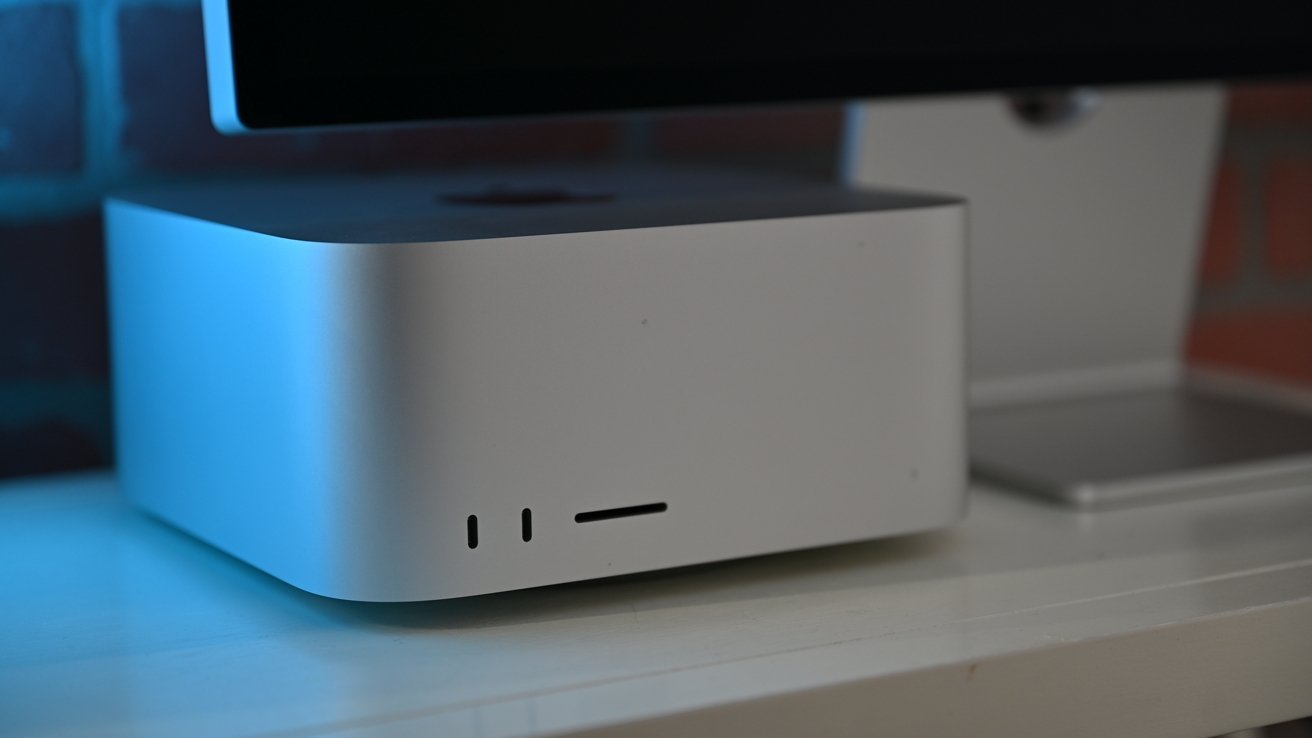
Especially the Mac Studio. Introduced in 2022, it was arguably the first wholly new Mac since 2013's trashcan Mac Pro.
It also immediately became a favorite for media and broadcast professionals because it was so capable.
The Mac Studio lacks the ability to plug in expansion cards without a Thunderbolt PCI-e expansion chassis. But while the Mac Pro has slots for expansion cards, Apple Silicon itself limits just what those can be.
Specifically, Apple does not and will not support PCI-E GPU cards for anything more than compute in Apple Silicon. And even that is nascent, tricky, and reliant on third-party developers.
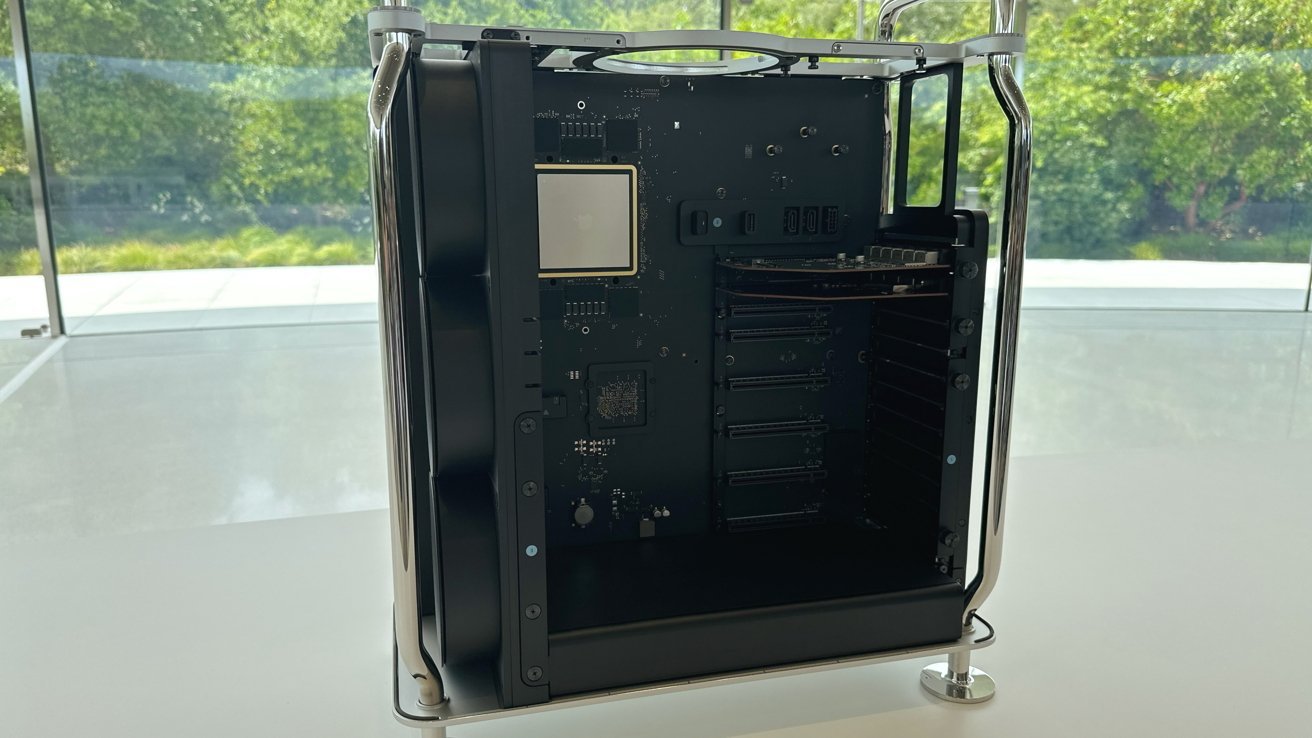
The Mac Pro has always been expandable, but that was to be limited with the Apple Silicon models
Apple Silicon also comes with RAM built onto the processor as Unified Memory. Before Apple Silicon, Mac Pro users were in the unique position that they could increase RAM later, and without necessarily paying Apple's high prices.
So with that gone, the market for people who could take advantage of the Mac Pro's expandability was shrunk. And the market for people who wanted the best performance they could afford, only grew with the Mac Studio.
Mac Pro answered prayers
It's hard to imagine now, and hard to tell absolutely since the scale of Apple's user base has grown so much, but the introduction of the Mac Pro in 2006 was a much bigger deal than the launch of the Mac Studio. That's because of where Apple was before the launch.
Today, every Mac has Apple Silicon and is a powerhouse. back in 2006, users were leaving the platform to get better performance from Intel PCs.
Apple users had been patient, but they had been promised significant Mac updates that had simply never appeared. The PowerPC processor line the Mac was using just didn't seem to be cutting it anymore.
"I stood up here two years ago and I promised you this," said Jobs, pointing at a screen that showed a 3GHz PowerMac G5. "And we haven't been able to deliver that to you yet."
"As we look ahead, we can envision some amazing products we want to build for you," he continued, "We don't know how to build them with the future PowerPC roadmap."
This was how Steve Jobs launched into the 2005 announcement that Apple was moving the Mac from the PowerPC to Intel. That was how Apple hoped to keep users staying on the platform, and they did.
They just had to wait yet longer for their reward. But that reward came in August 2006 when the PowerMac was dropped — and the Mac Pro was launched.
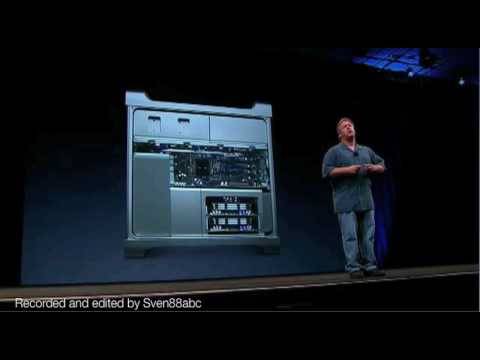
At the time — June 2005 — that was the big news. It was a huge move, exactly as huge as the later transition to Apple Silicon.
"This is the Mac that so many of our highest-end customers have dreamed of," said Phil Schiller at the launch. "For our highest-end customers, a feature they've really wanted: they're 64-bit."
Mac Pro glory days
That first Mac Pro was a huge hit. It was too expensive for consumers, but if you needed that performance and you had the budget, Mac Pro was the one to buy.
It continued to be so through the 5,1 model which launched in 2012
It just lost a lot of steam over the next few years. It looked as if Apple had lost interest even then. The original 32-bit 2006 model 1,1 had been replaced by the 64-bit 3,1 in early 2008, and then the 4,1 a year later. The 1,1 lost software support quicker than any other Mac Pro, because of that 32-bit engineering.
The popular 5,1 model was released just over another year later in mid 2010, but then that was it for a time. By June 2012, users were complaining that the Mac Pro was falling behind — and Tim Cook was replying.
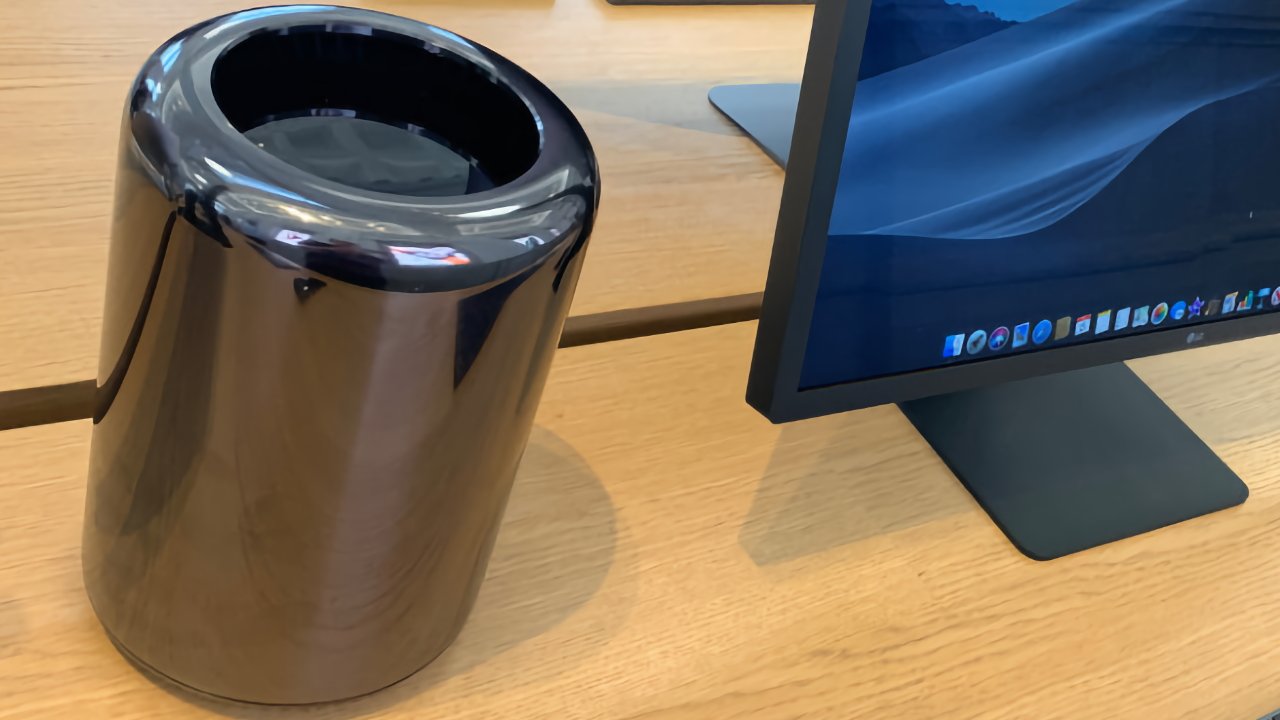
The "trashcan" Mac Pro in an Apple Store
In an email to a customer in June 2012, Tim Cook noted that Apple had updated the current model. But he also promised that "we're working on something really great for later next year."
Trash
Then in 2013, Apple delivered on that promise with a radically redesigned Mac Pro. It abandoned the cheese-grater look, it abandoned the tower chassis, and instead was a tiny, cylindrical design.
It was immediately known as the trashcan Mac Pro, but perhaps earned that name because it was a startling new design that just didn't cut it. Users found heat problems, users found that they couldn't get the promised performance, users just hated it.
Unusually, Apple took the hit and said they had got it wrong. They said this in 2017, and promised a New Mac Pro was coming.
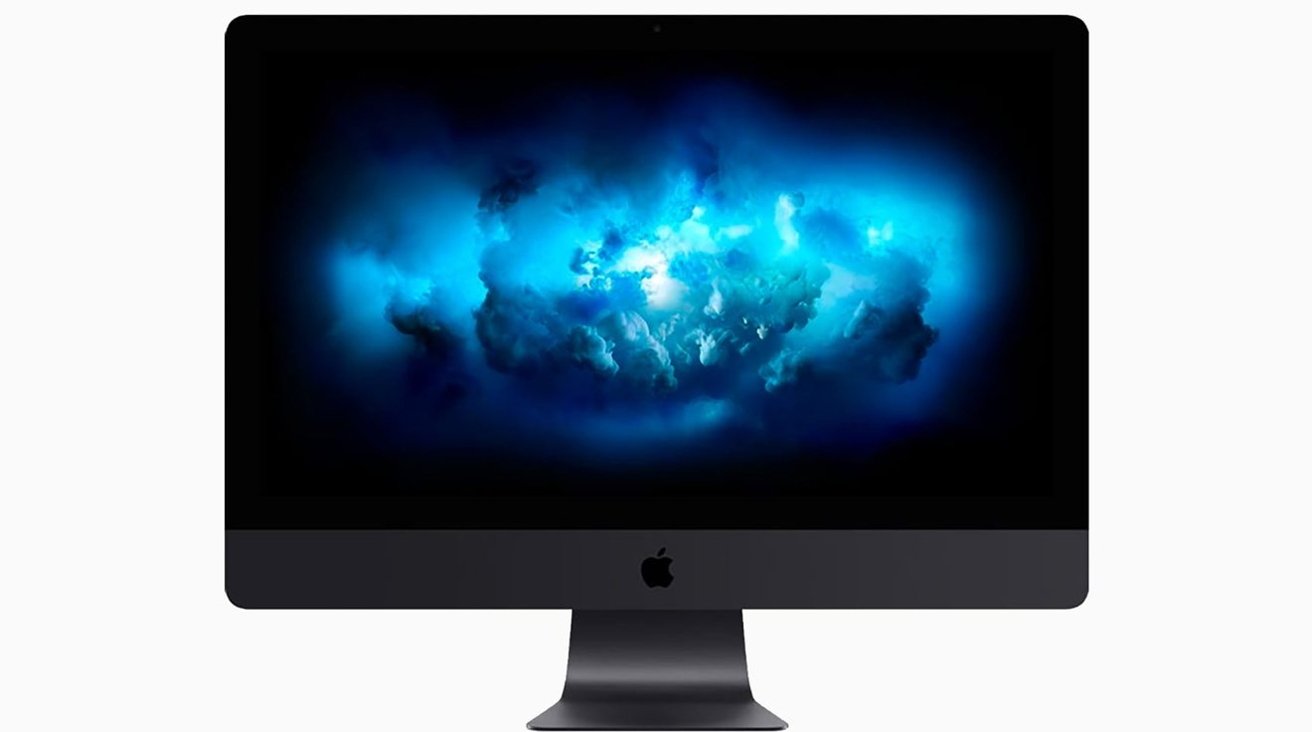
The iMac Pro was very popular, but only ever intended to be a stopgap.
But it wasn't coming that year, so Apple launched a new high-end Mac, the iMac Pro. It turned out to be a filler until the 2019 Mac Pro was released, but it was popular.
Just not as beloved as the original Mac Pro. Then the 2019 one came out and that wasn't driving users wild either. But it was still the most powerful Mac in the lineup. It was still the most costly.
And it was probably the Mac you wanted, if you could possibly have both afforded and justified the purchase.
Mac Studio became the one to buy
The Mac Studio became the Mac you coveted, and I know this because I did exactly that from 2022 to 2025. It's never been as good-looking a device as some Mac Pro models, but it is unquestionably the best Mac I've ever owned.
So where I previously would no longer consider buying a Mac Pro because the price was sky high, I no longer need to. The Mac Studio wasn't exactly cheap, but it was achievable — and it was here, it was out.
The new contender
In comparison, the Mac Pro was the last Mac to move to Apple Silicon. And it was so hobbled by its severely curtailed expandability that it even seemed like a peculiar machine for Apple to release.
At the time, our staffer with the most experience with Mac Pros over the years, Mike Wuerthele, lamented the limited expansion and how even Apple no longer offered as many RAM options as before. He was harsh to it in his 2023 review, and he did call it a powerful machine, but concluded that the halcyon days of the Mac Pro are long gone, and likely never to return.
In comparison, the Mac Studio is coveted, but maybe not yet so beloved. But coveted is good, a vastly lower price is good, and performance on par or exceeding the Mac Pro is a killer.
Maybe Apple has lost interest in the Mac Pro. But it looks like buyers have as well.
The line going out with a whimper instead of a bang is depressing, just the same.
Update 5:11 PM ET March 26, 2026 Four months after we published this, Apple has confirmed that the product line has ended.