BOE's reliability problems during iPhone 17 OLED production have again forced Apple to get screens elsewhere.
Apple is pushing for top-notch screens across the entire iPhone 17 lineup. The company's push puts pressure on BOE Technology, which hoped to expand its OLED role after years of slow progress.
Approval arrived in July 2025 for BOE to make panels for the iPhone 17 Pro in China, although global production never reached meaningful scale. Apple limited that approval to the Chinese market, which kept BOE out of the global launch.
Samsung Display and LG Display entered the iPhone 17 cycle with stronger credibility and proved ready for larger volume. Samsung supplies most of the OLED panels for the series, and analysts expect its share to stay high.
Reports indicate that every iPhone 17 model might receive the same Samsung M14 OLED panel, which would create a consistent experience across standard and Pro devices.
BOE struggles with LTPO as rivals expand
BOE planned to boost production after receiving approval, but expected volume never materialized. An industry report shows BOE anticipated shipping up to ten million panels after receiving the go-ahead in the third quarter.
A target near forty million units a year for Apple fell apart when yield problems persisted through testing. BOE had recently expanded OLED capacity to nearly one hundred million panels per year, including dozens of lines aimed at Apple orders.
Factory data still showed yields around 85%, which trailed results from Samsung's more mature lines. Apple previously paused BOE production in 2022 after unauthorized design changes appeared in a batch of iPhone displays, and hesitation carried into later generations.
The earlier issue involved circuitry changes made without Apple's approval, which raised questions about BOE's internal oversight. But progress didn't improve fast enough for the iPhone 17 cycle.
Industry experts say BOE continues to face challenges producing LTPO panels, which Apple now uses in every iPhone 17 model. LTPO technology supports variable refresh rates that help battery life and smooth scrolling.
Samsung and LG treat LTPO as a basic requirement for premium devices and have refined the process over several years.
But BOE hasn't matched that level of consistency or performance. Estimates suggest Samsung could raise its iPhone 17 output to roughly ninety million units as a result.
LG Display maintains a solid position by shipping nearly thirty million panels for the iPhone 17. The company produces fewer panels than Samsung but delivers stable hardware that meets Apple's standards.
BOE sits near the one-percent mark for global iPhone 17 panels, which places it far behind its competitors. Industry forecasts also warned that BOE's share could fall further if LTPO yields failed to improve by late 2025. Ongoing quality issues threaten to shrink that share even further as development lags behind.
Geopolitical scrutiny has added more pressure, with U.S. officials reviewing whether BOE should be treated as a Chinese military-linked company. Legal and patent battles with Samsung Display have increased doubts about BOE's long-term supply stability.
Apple's choice to use the same Samsung M14 OLED across all models reduces BOE's opportunity to expand its involvement in future iPhone generations.
Apple leans toward reliability as suppliers face pressure
Samsung gains revenue and influence as display orders shift in its favor. LG benefits from steady business that supports long-term OLED development.
BOE loses volume in a year when competitor strength continues to grow. Failure to improve yields and stabilize LTPO performance could keep the company outside Apple's premium categories.
Apple's strategy signals a preference for reliability over broad supplier diversity. Earlier generations often split display orders among several suppliers to maintain leverage and reduce risk.
Current priorities highlight a different focus. Apple appears more interested in consistent display quality across all models than in maintaining a wide supplier base.
Uniform adoption of Samsung's M14 panel fits that approach because it reduces calibration differences between models.
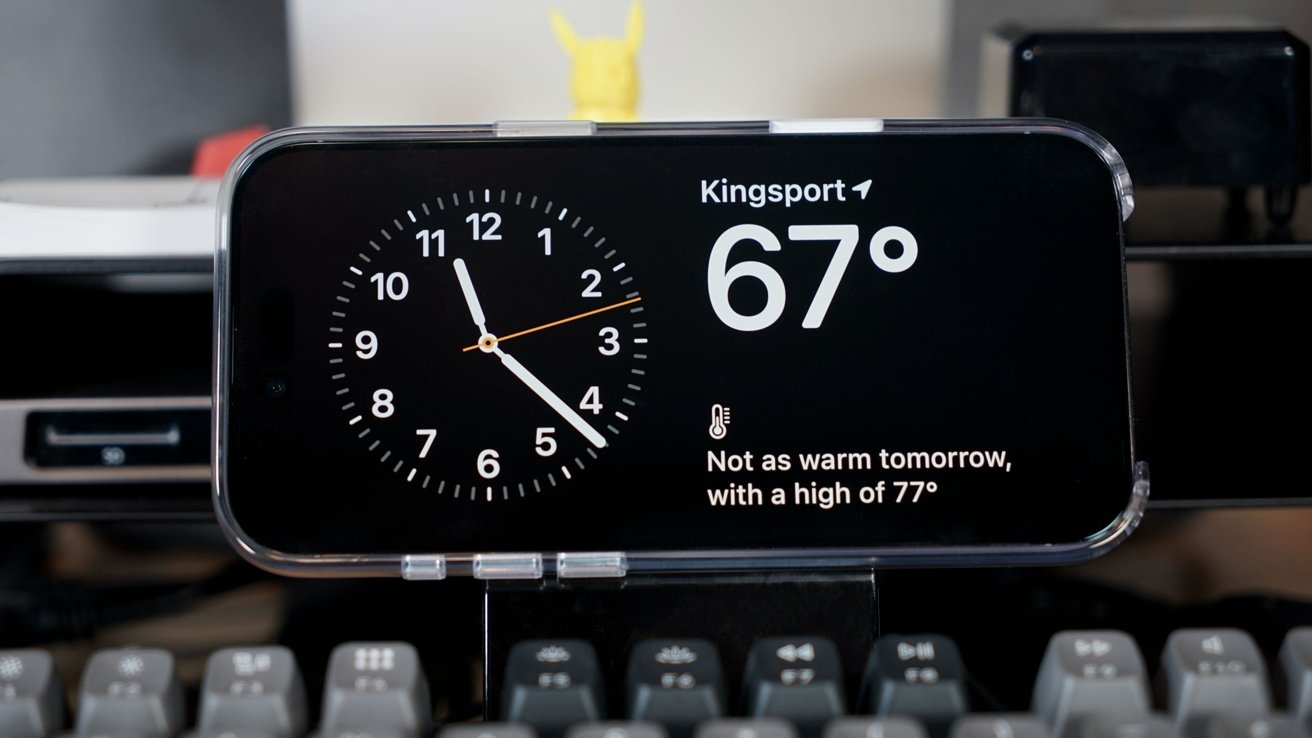
iPhone 17 Air display
Rising expectations for display performance play a central role in that shift. Many consumers pay close attention to chip speed or camera upgrades, although Apple views the screen as a defining part of the iPhone experience.
A consistent display setup simplifies calibration and reduces the likelihood of visible differences between models. Consistency also makes it easier to introduce new features across the entire lineup.
BOE maintains long-term ambitions for a larger role. New production lines and expanded OLED capacity, nearing one hundred million units a year, show confidence in future demand.
Recent patent filings and investment plans show BOE positioning itself for future foldable displays, even as its iPhone role shrinks in the short term. Capacity alone won't help without stronger yields, and improvement in LTPO reliability would be required before Apple considers broader involvement.
Apple plans to keep refining its display supply chain in 2026. Analysts expect the company to review BOE's progress before committing to future volume.
Samsung and LG will likely maintain their lead unless BOE makes significant improvements soon. Samsung Display gains because it can scale production and maintain strong yields. LG Display holds a respected and stable position.
BOE falls behind because reliability issues remain unresolved, and the path to recovery will require meaningful technical progress. Analysts argue that BOE must raise LTPO yields before Apple considers handing it another major iPhone contract.