Apple removed the ICEBlock app from the App Store after being pressured by the US government, and now the developer is suing the DOJ & others involved for a violation of his First Amendment rights.
The developer of ICEBlock, Joshua Aaron, has lawyered up and is taking his case to court in Washington, DC. He's not suing Apple, as it is a private entity and the First Amendment doesn't apply, but he is suing the US government for their role in the app's removal from the App Store.
According to a report from Allison Gill on a Substack newsletter called The Breakdown, with additional information in a podcast interview, Aaron is filing the lawsuit later Monday. He is suing Attorney General Pam Bondi, Secretary of DHS Kristi Noem, Director of ICE Todd Lyons, and White House Border Czar Tom Homan for a violation of his First Amendment rights.
The lawsuit alleges that Apple was pressured into removing ICEBlock from the App Store, which is a violation of law that has recently been tested when FCC Chair coerced ABC affiliates to pull Jimmy Kimmel. No government entity has the ability to coerce a private entity, publicly or privately, intentionally or unintentionally, to perform an action.
The ICEBlock app was subject to Apple's App Store review, and according to the developer, it went through additional layers where Apple lawyers were consulted before it was published. The app was designed with safety and privacy in mind, and was never used, at least in any event on record, to attack or harm ICE officials.
ICEBlock is a free speech issue
The app worked similarly to other apps like Waze and Apple Maps, which lets users mark where they see speed traps, for example. In ICEBlock, users had to be physically located near where they were reporting an ICE sighting, and it didn't enable things like posting photos or ICE home addresses, like some government officials have alleged.
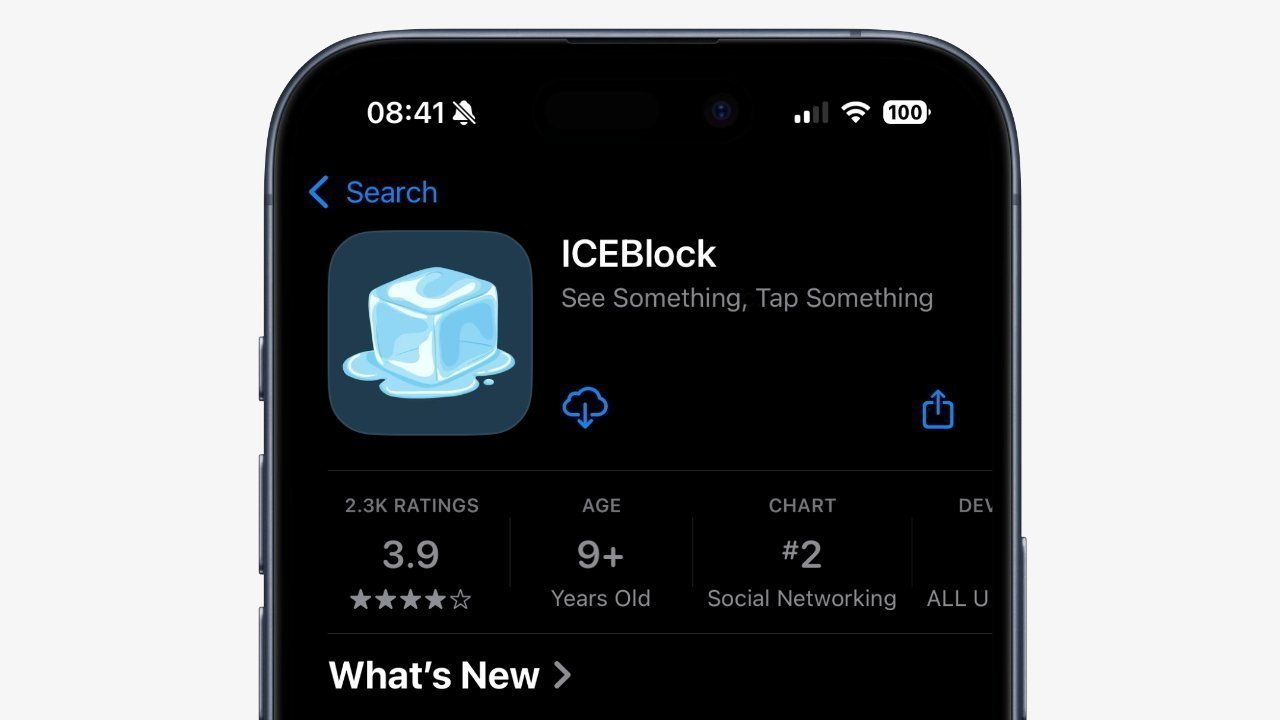
ICEBlock was allowed by Apple's App Review and legal team
The timeline of the app's removal is clear, as the US government officials involved haven't shied away from taking credit for "requesting" Apple remove the app. Of course, no one except those at Apple know anything about what was said to the company in that request.
Apple's grounds for removing the app that was provided to the developer and press cited "safety risks" based on information from law enforcement. However, there have been zero credible accounts provided of ICEBlock or similar apps being used to attack officials.
There may be some difficulty in getting the case off the ground, as the government's request wasn't a command, and Apple's compliance was seemingly not mandatory. Discovery could reveal the messages sent to Apple and how the discussion evolved if the case makes it that far.
On the other hand, lawmakers haven't exactly been subtle in their execution. Apps unrelated to location data have been removed, and tech companies have been badgered about their methods for preventing such apps from existing again.
Meanwhile, people have found new ways to help citizens avoid ICE using more creative tactics — like whistles. They've proven effective so far, but having access to ICEBlock would have been a significantly more advanced tool for keeping people safe from racially motivated actions that have resulted in the destruction of peace for so many American citizens and innocents just because of how they look or the language they speak.
Note that anyone that still has ICEBlock installed can still use the app.