Samsung has always been a part of the iPhone supply chain, and Apple is about to lean on the company more as RAM prices skyrocket worldwide.
The Apple supply chain relies on multiple companies when it comes to memory. Samsung already provides Apple with a lot of the memory for its manufacturing needs, but its share should be expanding in the coming years.
According to sources of Korea Economic Daily, Apple's renewals of long-term agreements will be more beneficial for Samsung. Apple will reportedly increase the amount of memory it sources from Samsung to about 60% to 70% of the iPhone 17 supply.
Other suppliers include Micron and SK Hynix.
Though Apple does not detail how much memory it gets from each company, it is generally believed that Samsung and SK Hynix previously had similar memory supply volumes. If the sources are correct, this is a major swing that benefits Samsung greatly.
Shifts and standards
There are a few reasons why Apple is reportedly turning to Samsung for its iPhone memory supply. Part of it is due to changes in the market itself.
The iPhone uses LPDDR memory, a fairly common standard that all three companies produce in high quantities. However, SK Hynix and Micron are said to be focusing on high-bandwidth memory (HBM) instead of LPDDR.
Since two of Apple's suppliers are turning away from producing the type of memory it needs for the iPhone, the company has little choice but to source more from Samsung.
There is also Apple's demand for suppliers to meet specifications it outlines. For memory, Apple goes beyond those set out by the Joint Electron Device Engineering Council (JEDEC).
This also includes a need to be extremely consistent in manufacturing memory modules. Apple wants as little deviation in performance and voltage as possible, since it can affect other sensitive components, such as the A-series chips it uses
The report adds that chips like the A19 and A19 Pro don't accommodate for momentary voltage spikes.
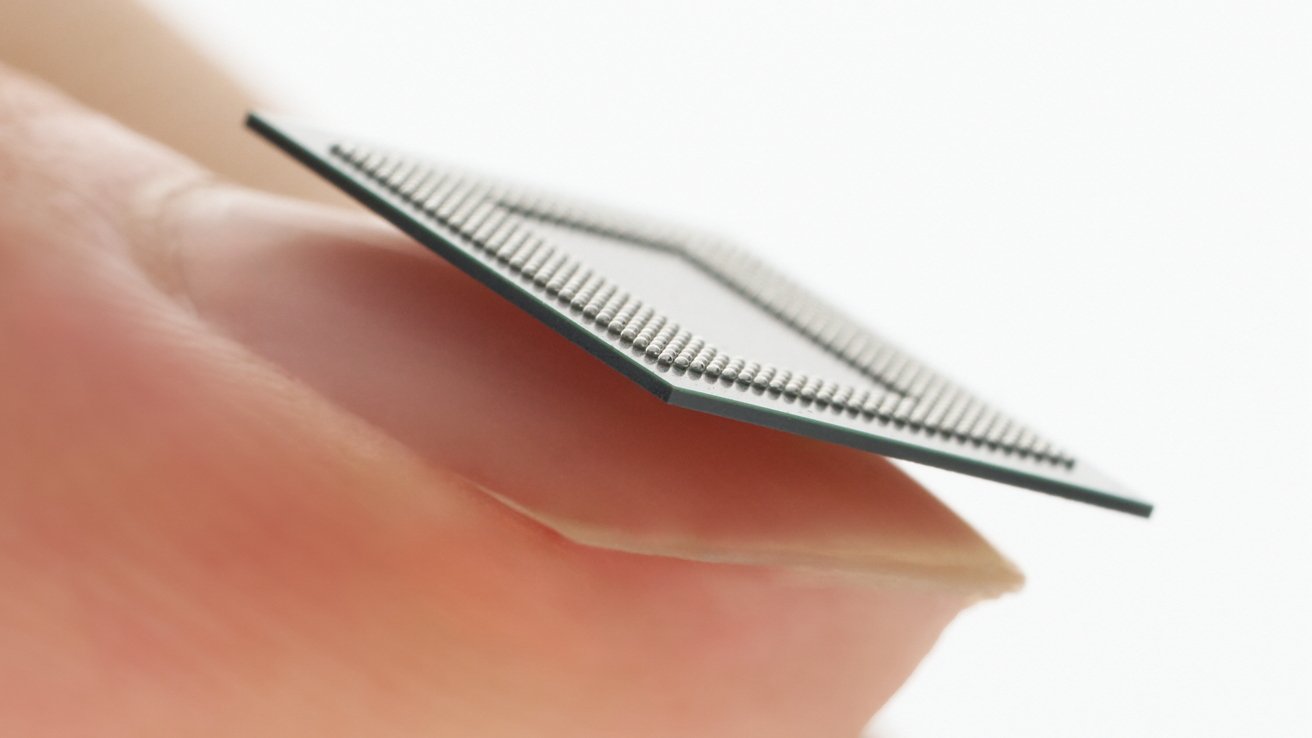
Samsung's LPDDR5X 12GB memory modules are also an attractive choice for Apple, in part due to its thin 0.65mm construction versus its competitors. There are also improvements to thermal resistance of about 21% versus previous memory generations, along with a 25% power consumption reduction.
One source told the report that Samsung's massive manufacturing capacity, as well as SK Hynix's shift towards HBM, makes Samsung the only real choice to meet Apple's conditions.
Cutting costs
The change in supplier will be even more beneficial to Samsung beyond simply shipping more memory. The current state of the memory market will also impact Samsung's bottom line.
At the start of 2025, Apple paid about $30 per 12GB LPDDR5X memory module. However, the squeeze on the market has significantly increased the price to about $70 for the same module.
The change in pricing will hit the smartphone market in general, forcing manufacturers into securing more lucrative deals to keep that cost in check.
Though Apple's sheer size and long-term contracts usually help it secure orders from keen suppliers. However, switching to a more Samsung-focused supply may simply help Apple by ordering more and cashing in from improved economies of scale.
Apple may be viewed as being better positionedthan most smartphone manufacturers when it comes to the turbulent state of memory pricing. But even it has to look out for cost savings wherever it can.
It's possible that Apple could've maintained a more even split between suppliers, as it tends to prefer. But the doubling in price of a valued component will force any manufacturer to look for solutions.