
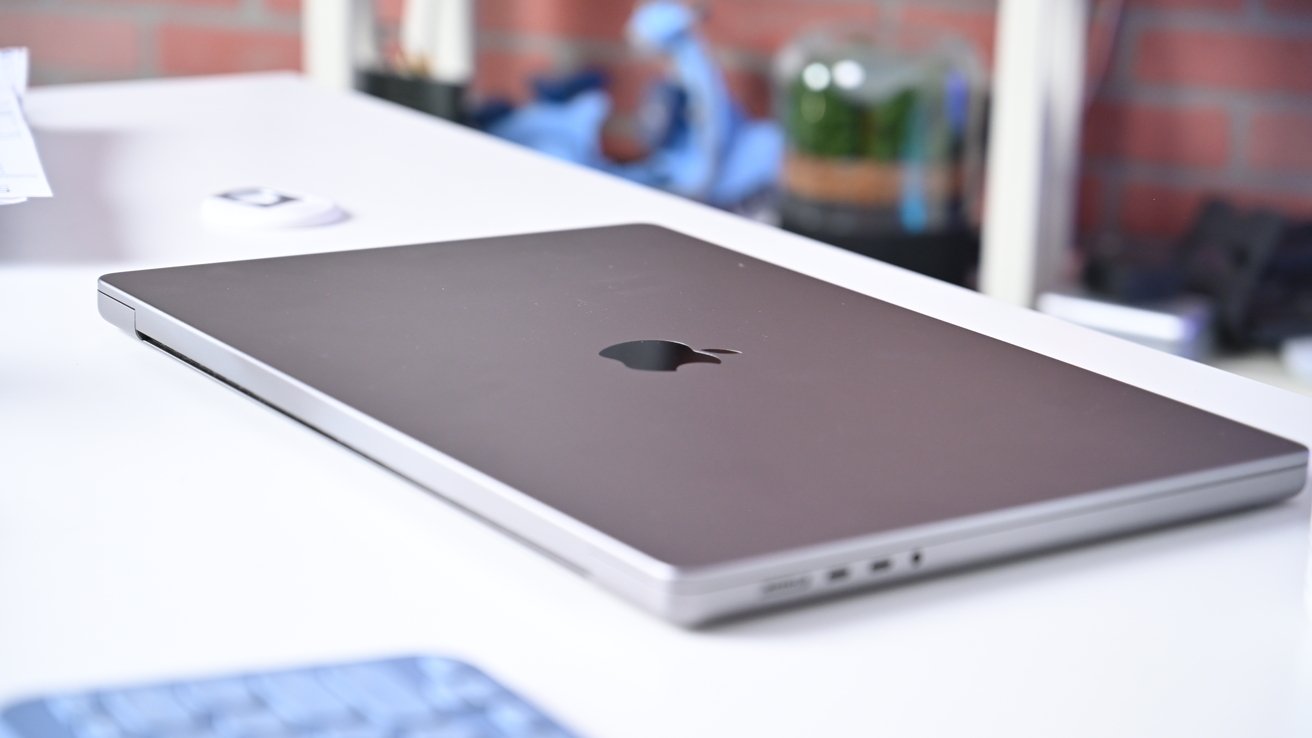
While Apple hasn't done anything yet, the company is heading into 2026 with dramatically escalating memory and chip costs, as it aims to keep product pricing steadier than rivals.
The issue matters for Apple users because component inflation often shows up in storage tiers, memory upgrades, and configuration pricing. Macs are especially exposed since memory and storage choices are fixed at purchase.
Morgan Stanley's note to investors, seen by AppleInsider, is based on recent supply-chain conversations rather than company guidance. The supply chain checks that the firm did in Taiwan point to tightening supply and higher input costs across phones, PCs, and servers.
Memory price pressure is building into early 2026
Morgan Stanley says memory costs began rising sharply in late 2025. This, in turn, pushed hardware makers to increase pricing of finished goods
For Apple, anticipated price hikes could pull some demand forward.
Apple isn't completely immune to that pressure, even if retail prices hold. Analysts expect margins to feel the squeeze, though Apple's scale will blunt the impact relative to competitors that reprice more aggressively.
Apple's DRAM and NAND position differs from most OEMs
Apple built NAND inventory into early 2026 under relatively favorable supplier pricing terms. Those contracts are expected to reset soon as agreements are fulfilled and expire.
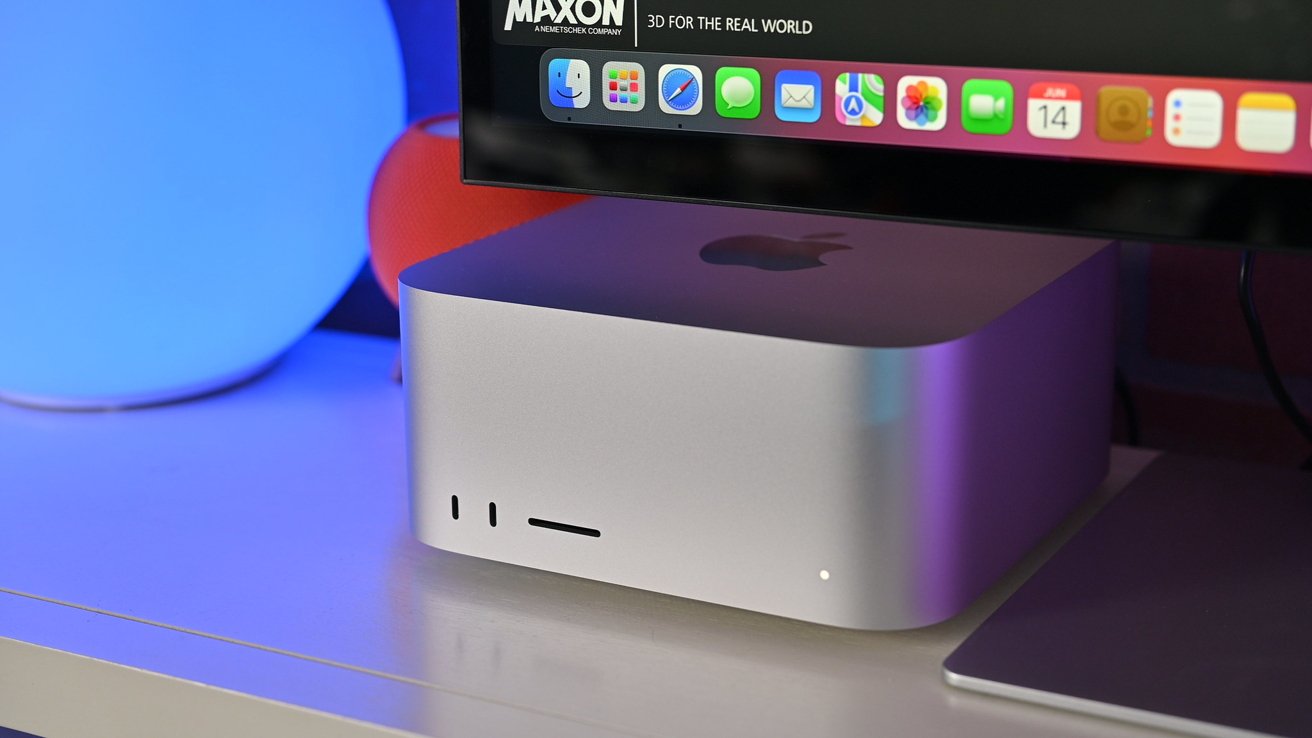
Apple can absorb some pressure operationally, but choices narrow if retail pricing stays flat.
The report adds Apple is still negotiating DRAM pricing for 2026 hardware. Suppliers could push through a sharp sequential increase as prices move closer to broader market levels.
If negotiations break against Apple, higher costs would land directly on iPhone storage options and Mac memory configurations. Apple can absorb some pressure operationally, but choices narrow if retail pricing stays flat.
Wafer costs are rising, but Apple sees smaller increases
On the foundry side, Morgan Stanley says leading-edge wafer prices continue to climb. Apple is seeing smaller increases than other customers, which the firm attributes to its scale and strategic importance to TSMC.
The firm also points to a larger cost step-up at next-generation nodes versus current processes. Apple can offset part of that through die-size efficiency, but custom silicon still affects nearly every major product line.
How Apple can respond without raising sticker prices
Morgan Stanley's broader OEM read is that higher component costs force vendors toward price hikes, cutting specs, or margin compression. Apple has more room to maneuver through higher margins than most of the industry, product mix, upgrade pricing, and base configurations.
For Mac buyers, that could mean memory and storage upgrades becoming more expensive at checkout. The question is how long Apple can hold pricing steady through 2026 before configuration pricing or base specs do more of the margin work.