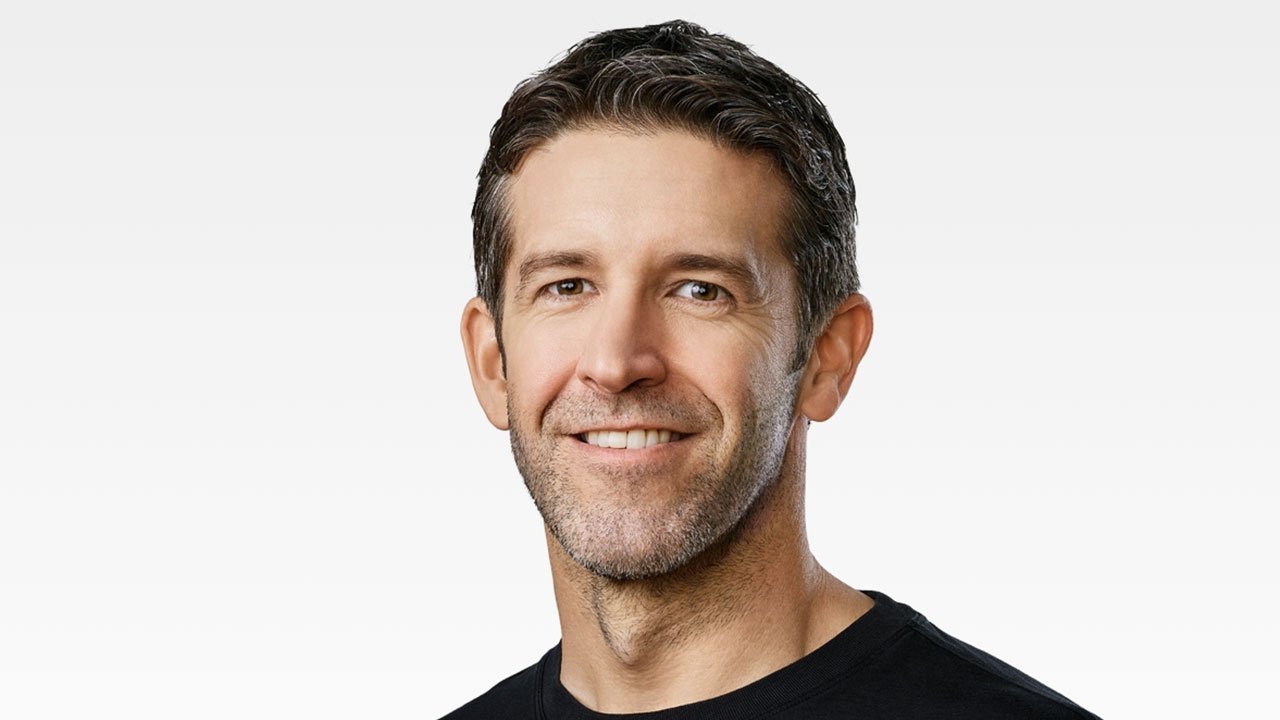
The latest round of Apple CEO succession speculation again points to John Ternus as the leading internal candidate, but multiple strong candidates still make it anybody's guess who will helm Apple after Tim Cook retires.
Apple is stepping up internal succession planning as it prepares for an eventual transition beyond Tim Cook. The effort reflects long-term governance planning rather than dissatisfaction with Apple's performance.
Cook, 65, has led Apple since 2011, and the company has a history of managing executive transitions deliberately. Any CEO change will be staged rather than abrupt, giving Apple time to maintain operational and investor stability.
Apple has already completed a major leadership transition with the transfer of chief operating officer responsibilities from Jeff Williams to Sabih Khan. The company described that move as long planned, with Williams remaining at Apple for a transition period before retiring.
The COO handoff reduces execution risk around a future CEO change. Apple has historically prioritized operational continuity ahead of leadership transitions, particularly given its global manufacturing scale and supply chain complexity.
As do we all, Apple's senior leadership team is aging, and several executives are now in or near traditional retirement years. For a company of Apple's size, overlapping retirements at the top is unnecessary risk.
John Ternus is widely viewed as a leading internal candidate
Accelerating succession planning gives Apple flexibility. It allows the board to prepare for a transition without tying timing to earnings performance, product cycles, or external pressure.
Among internal candidates, John Ternus, Apple's senior vice president of hardware engineering, is again cited as a front-runner. At 50, Ternus sits at the younger end of the company's leadership crew and oversees core product lines including iPhone, iPad, and Mac.
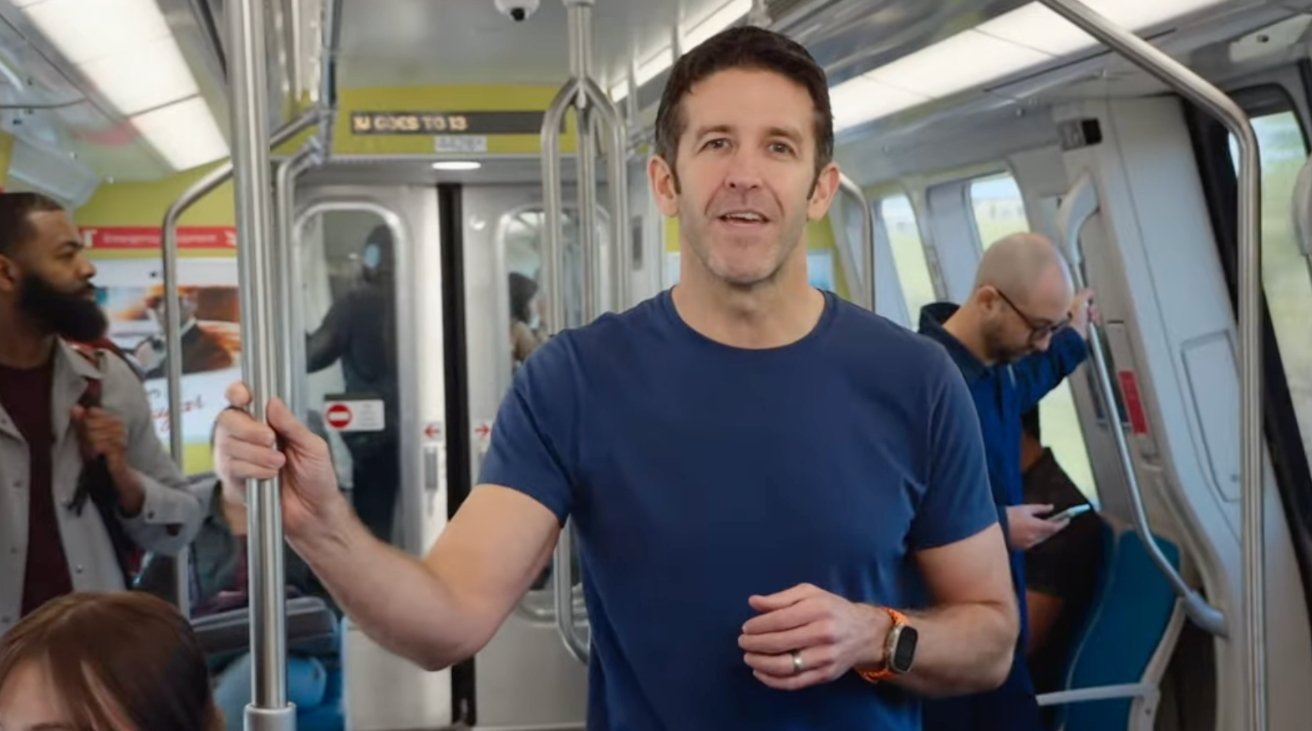
A hardware-led CEO would be a shift
His role already spans engineering execution, manufacturing coordination, and long-term product roadmaps. That scope aligns closely with Apple's current priorities around cost control, supply reliability, and incremental platform evolution.
A hardware-led CEO would be a shift from recent history, but not an untested one inside Apple's structure.
How other internal candidates compare
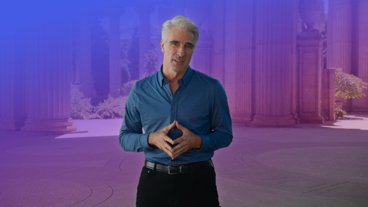
Craig Federighi remains a prominent internal leader and one of Apple's most public-facing executives. His continued leadership of software platforms during periods of platform and AI transition may weigh against moving him out of that role.
Greg Joswiak brings decades of institutional knowledge and experience shaping Apple's product messaging. Marketing leadership, however, has not historically been Apple's path to the CEO role.
Recent reporting, including a Thursday piece from The New York Times, describes Apple's CEO shortlist as internal. There are no indications that the board is pursuing an external hire.
What Apple is prioritizing
Apple prioritizes continuity, operational discipline, and geopolitical stability amid global regulatory pressure and supply chain risks. The resulting balance favors leadership experienced in managing innovation alongside margin discipline.
For investors, the central concern is not who replaces Tim Cook, but whether Apple preserves its execution model. Margin stability, supply chain resilience, and predictable product cycles remain more important than leadership symbolism.