Apple is reportedly requiring under-display infrared technology in future high-end iPhone OLED panels, laying groundwork for possible changes to Face ID placement as soon as the iPhone 18 Pro release.
Apple's display specifications are narrowing as it prepares upcoming premium iPhones. A Korean industry report on Monday claims Apple is requiring under-display infrared (UDIR), alongside advanced LTPO OLED backplanes for next-generation devices.
Hiding infrared sensors beneath the display is a prerequisite for reducing visible front-facing cutouts. It doesn't mean Apple is ready to ship an uninterrupted screen.
What under-display IR means for iPhone design
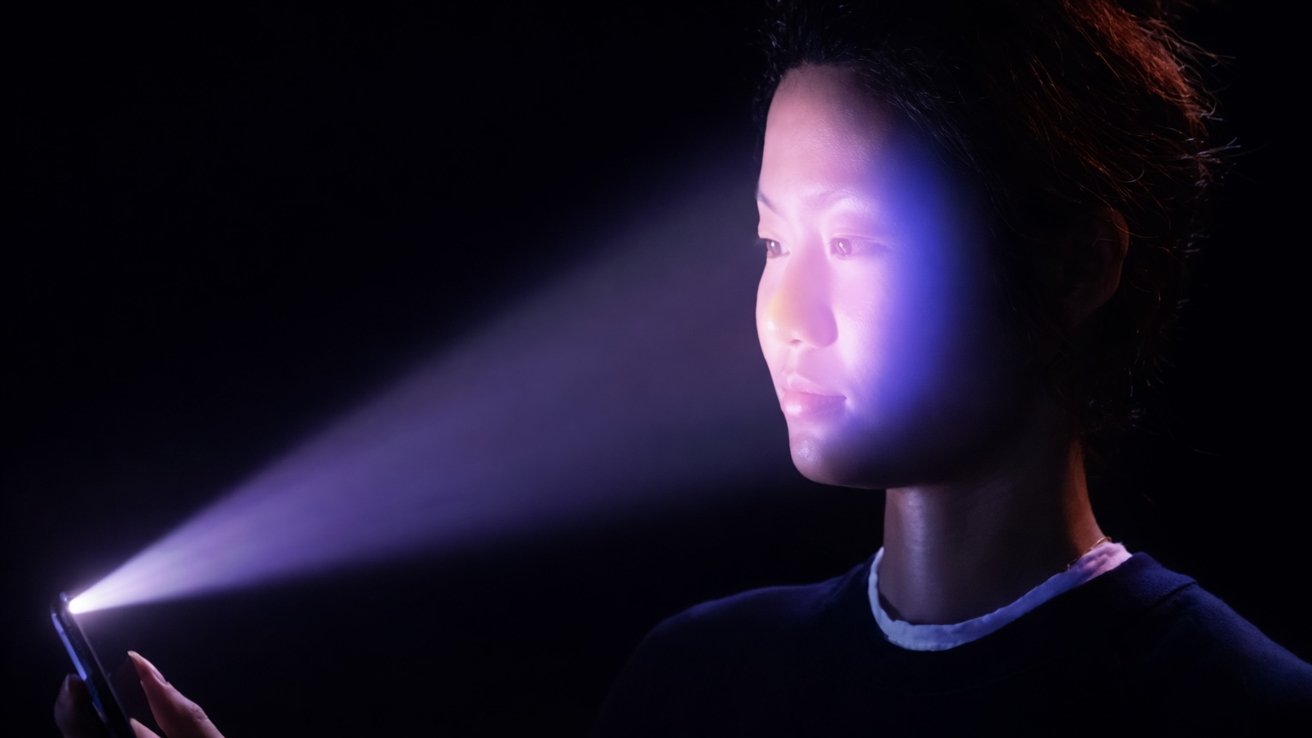
Under-display infrared refers to relocating IR sensors beneath the OLED panel rather than placing them in a notch or the Dynamic Island. Face ID projects infrared light to create a depth map of the user's face.
Once the device creates a topography, Apple matches the resulting data against encrypted facial information stored on the iPhone.
Any iPhone design without a visible cutout would require IR components to function through the display stack. UDIR clears an architectural hurdle toward that goal, which explains the attention even without confirmation of a shipping product.
Enabling technology, however, isn't the same as a finished feature. Apple could introduce under-display IR gradually, hiding some sensors while keeping others exposed.
A smaller Dynamic Island or a simple camera opening would still align with the report's claims. Apple has tested similar ideas before, and under-display Face ID has appeared repeatedly, and for years, in supply-chain discussions tied to shifting timelines and conflicting descriptions.
None of those earlier reports resulted in a shipping iPhone design.
Why Samsung and LG remain essential
Samsung Display and LG Display are described as the only suppliers able to meet Apple's combined LTPO and UDIR requirements at production scale. Each company is central to Apple's premium iPhone roadmap.
Apple has spent years working to diversify display sourcing, including bringing BOE into parts of the iPhone lineup. Those efforts lessened reliance on a single supplier, but advanced features continue to favor established OLED manufacturers.
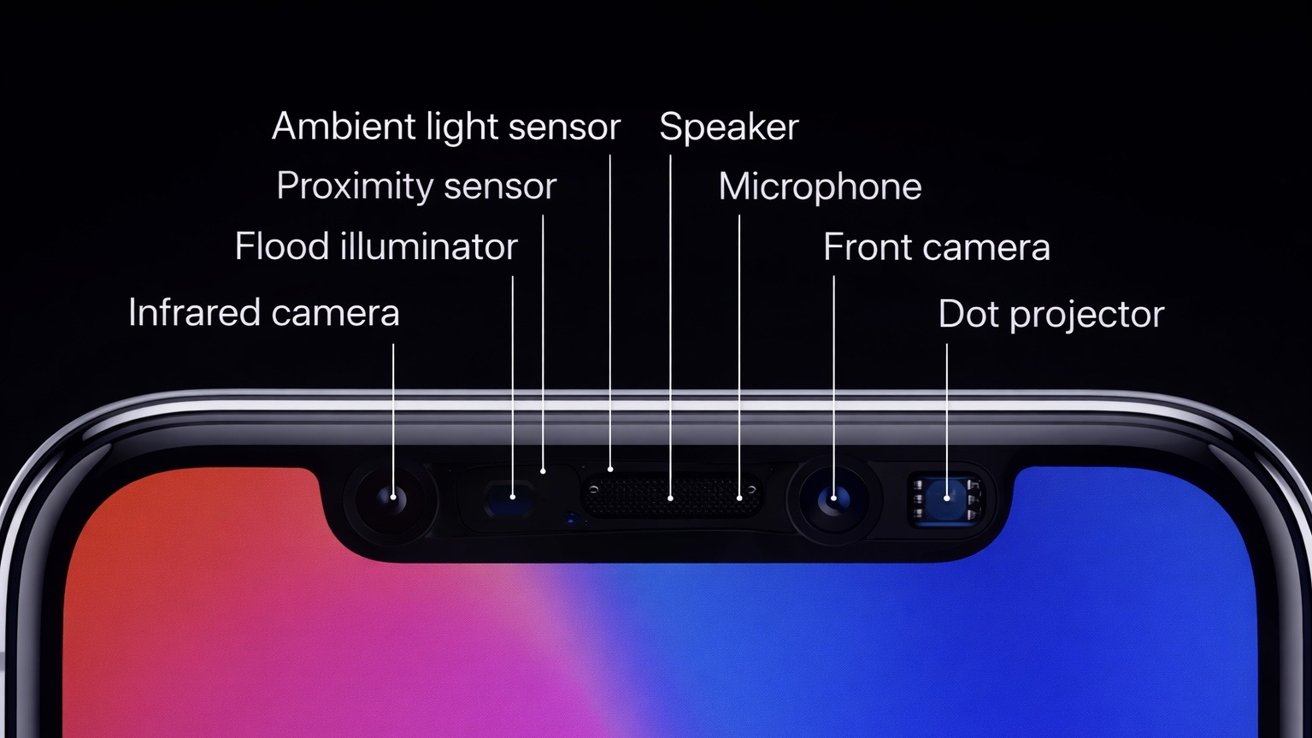
Apple has to cram a lot of sensor technology into the Dynamic Island
Under-display IR raises the bar further because OLED panels naturally absorb and scatter infrared light. It complicates sensor performance beneath the display and increases manufacturing risk.
Samsung Display and LG Display have invested in specialized materials and precise manufacturing to achieve acceptable yields while preserving brightness, color accuracy, and durability.
Specialization gives these companies an advantage when Apple raises technical requirements.
Why under-screen Face ID remains unresolved
UDIR strongly suggests Apple is laying groundwork for under-screen Face ID, but implication shouldn't be mistaken for confirmation. Face ID depends on several components working together, including an IR flood illuminator, dot projector, and receiver.
Hiding those parts beneath OLED without degrading accuracy or speed remains difficult, especially in low-light conditions. OLED layers reduce infrared transmission, which can affect reliability and responsiveness.
Past reporting on under-display Face ID shows timelines shifting from one iPhone generation to the next. Some claims scaled expectations back to smaller cutouts or partial transitions, while others pushed a complete under-screen solution several years out.
Apple has historically delayed hardware changes rather than accept compromised performance. Despite years of rumors about it, Touch ID under the display never shipped on iPhone, and Face ID itself evolved gradually after launch.
The Dynamic Island remains a functional compromise that balances sensors, cameras, and interface elements. Under-display infrared points to where Apple may want to go, but when that transition happens is anyone's guess.