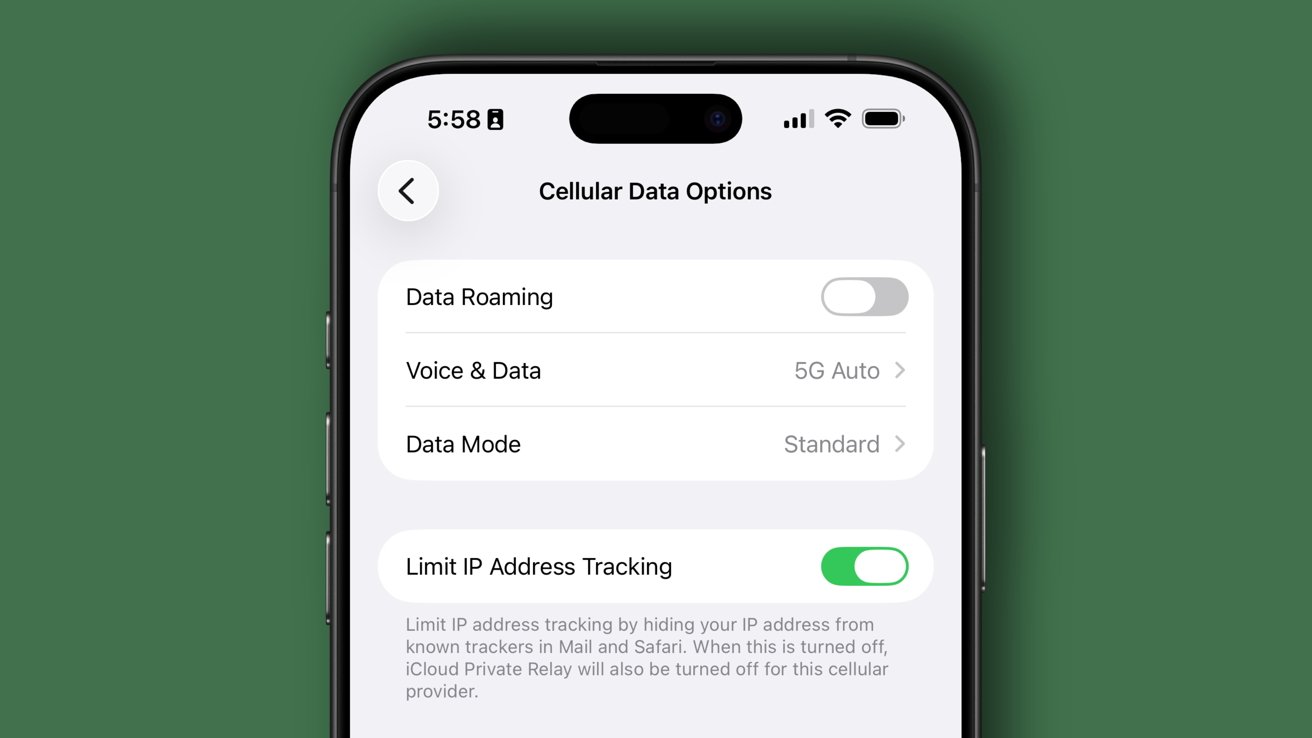
A user's location data is incredibly sensitive information, and while it can be kept from apps on iPhone, carriers have always had full access to precise location data. That changes with iOS 26.3.
It is no secret that carriers have access to user data related to when and where they connect to which cell towers. Device data passed to the carrier for connection enables precise user tracking, which led to a privacy violation lawsuit carriers lost in 2020.
Now, that valuable data is about to become much less so thanks to another Apple update. Much like App Tracking Transparency helped protect users on the web, iCloud Private Relay helped protect users from ISP snooping, the new limit precise location will help obfuscate user location data from carriers.
Apple's support document says the feature will roll out with iOS 26.3, which is expected to release to the public in February. Carriers have to support the feature, so it may be some time before support reaches all compatible iPhone users.
The carriers that will support the feature at launch include:
- Germany: Telekom
- United Kingdom: EE, BT
- United States: Boost Mobile
- Thailand: AIS, True
Limit precise location is also limited to devices with an Apple C-series modem. For now, those include the iPhone Air, iPhone 16e, and iPad Pro with M5 and cellular.
Expect the feature to reach more carriers and devices throughout 2026, though the hardware requirement will remain. Apple building its own modem means it can introduce features like this to increase user privacy.
Limit precise tracking is necessary, though the rollout will be slow
So yes, that does mean if you own iPhone 17, iPhone 17 Pro, or iPhone 17 Pro Max, they do not get the feature in spite of being new models. However, Apple targeting new features to C1 and C1X indicates that the modem should be coming to the entire iPhone 18 lineup.
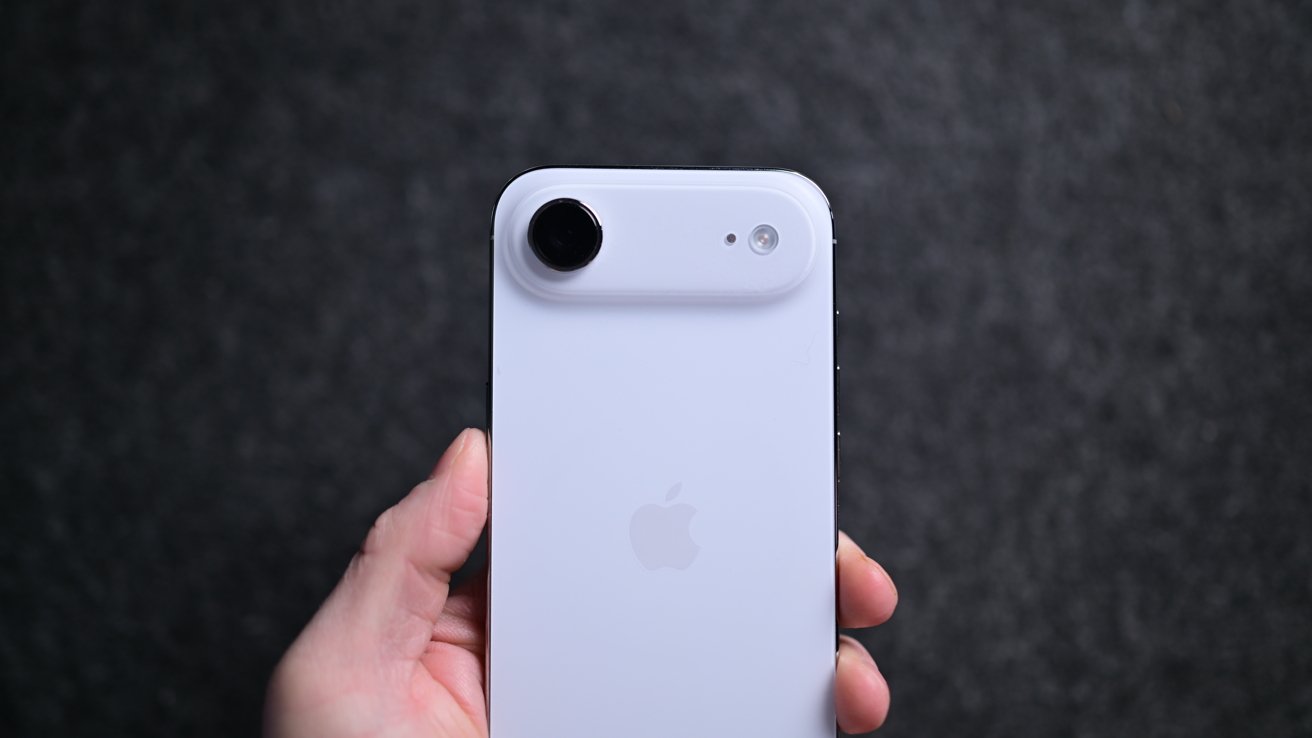
iPhone Air is the only recent model to get a C-series modem
The feature is very specific too. Limiting location data for carriers won't affect how your apps function, nor will it affect Find My, Maps navigation, or data shared with first responders.
This setting is incredibly important as it enables users to have more control over the data they provide to third parties, and it also limits government reach. Sure, carriers are no longer using this data for advertising, but they still have the data and can be subpoenaed for it.
However, if users provide less precise data, like showing which neighborhood or region they are in, the data that can be gathered by governments becomes much more fuzzy and less useful. Carriers are likely to want to opt into this feature as well, as it could be a consideration in choosing carriers and could ultimately mean less government demands if data on-hand is less useful and precise.
Like encryption and limits to ad tracking, the limit precise location setting will likely see its day in court. Whether it is regulators or carriers that decide to take up the fight against user privacy, expect Apple to continue its push for giving users control over their data.