Apple appears to be experiencing about Silicon Valley-average churn of engineers in its AI program, and the recent departures, including a Siri engineering executive, are no exception.
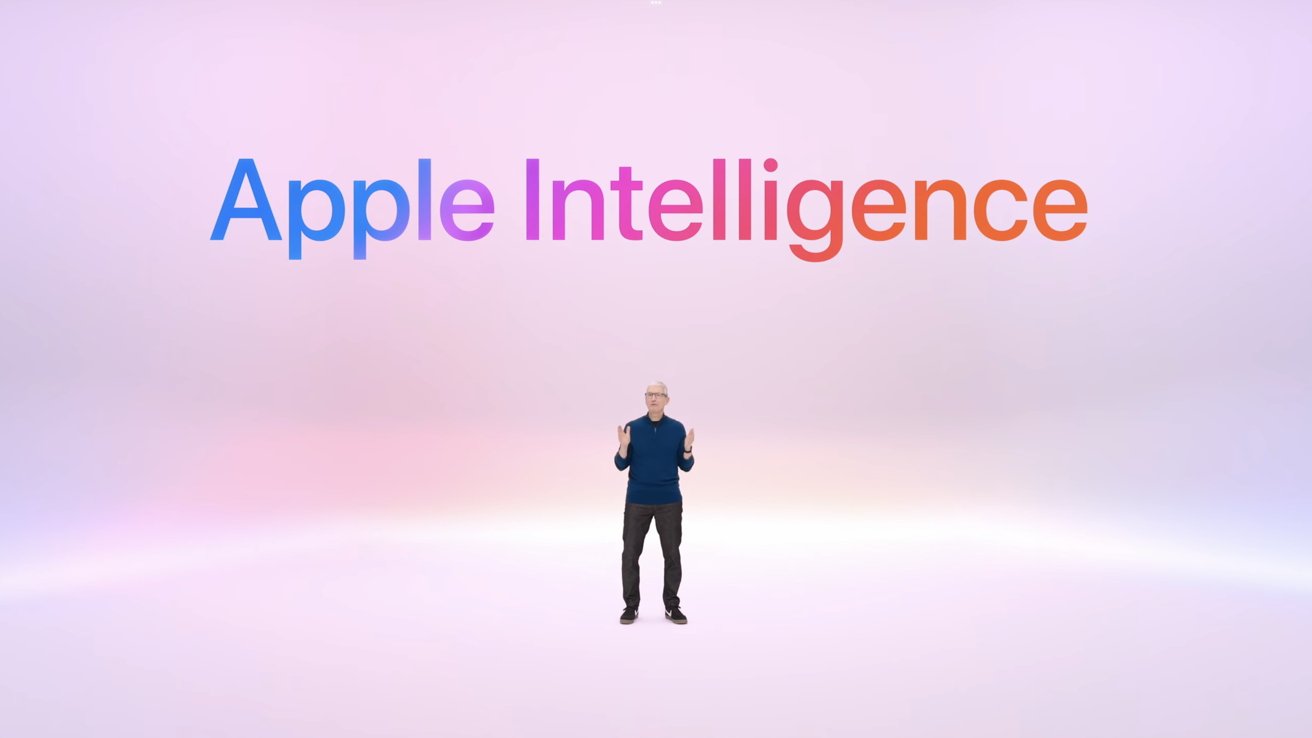
The company is working to rebuild Siri around Apple Intelligence, aiming to transform it from a collection of narrow features into a more capable, system-level interface. The effort follows years of criticism that Siri has fallen behind rival assistants using large language models.
Employee turnover is routine in Silicon Valley, especially in a labor market as competitive as artificial intelligence. Apple's recent departures fit that pattern and don't point to disruption inside the company's Siri roadmap.
Apple is focused on turning research into features that have to ship reliably across hundreds of millions of devices. That approach leaves far less room for internal disruption than earlier experimentation, but it's also designed to absorb normal staff movement.
The question raised by these exits isn't whether Apple can afford to lose talent. It's whether the company can maintain continuity while delivering gradual improvements to Siri over time.
Who left Apple this time, and where they went
Apple lost at least four AI researchers in recent weeks, as first reported by Bloomberg, including Yinfei Yang, Haoxuan You, Bailin Wang, and Zirui Wang. Yang left to start a new company, You and Wang joined Meta Platforms, and Zirui Wang departed for Google DeepMind.
Alongside those moves, Stuart Bowers, a senior Siri executive, left Apple for Google to work on Gemini. His role was closely tied to Siri's product execution rather than purely research.
Apple didn't dispute the departures, instead reiterating its ongoing investment in artificial intelligence research and development.
AI turnover is common across the industry
Apple has spent years building machine learning infrastructure and custom silicon, while also focusing on privacy-centric processing to run intelligence directly on its devices.
Turnover among AI researchers is common across Silicon Valley, particularly as companies like Meta and Google aggressively recruit experienced engineers. Apple has historically accepted that churn while prioritizing long-term product integration over research continuity.
Losing individual contributors doesn't derail Apple's AI efforts, which are built around platform-level deployment rather than reliance on small research teams.
Research churn versus platform control
Some industry observers argue Apple should run its AI teams more like a traditional research lab. That view overlooks how Apple has historically built products and brought new technologies to market.
Apple focuses on delivering polished products and seamless platform integration, which means it doesn't always cater to academic research needs. Naturally, that can result in researchers who enjoy open-ended experimentation leaving for other options.
Despite the recent departures, Apple still controls the operating system, the assistant surface, the hardware acceleration, and the distribution layer. Competitors can outbid Apple for individual researchers, but they can't replicate Apple's ability to deploy AI features across hundreds of millions of devices at once.
Siri's credibility problem
Siri's biggest weakness today is trust. It hasn't been good for a while. Compound that with the current batch of delays, and user expectations have been shaped — not in a positive fashion.
Apple's current approach is aimed at steady, incremental progress rather than rapid overhauls. This is flashy when it ships, but frustrating for users in between.
As with the rest of them, the exits don't signal an existential crisis for Apple's AI efforts. Apple has weathered similar doubts during other platform transitions, including Apple Maps and the shift to Apple Silicon, where early skepticism eventually gave way to a polished, finished, and customer-pleasing product.
Apple's long-term AI story will depend on whether Siri improves consistently across multiple software releases, rather than short-term staff movement.