Ring's now-canceled partnership with Flock Safety suggests the company may have finally found the limits of how far consumers will tolerate AI-driven surveillance in their own neighborhoods.
Ring has decided not to go ahead with its planned integration with Flock Safety. The decision came after public backlash over privacy and surveillance concerns, even though the partnership never actually launched.
In a February 12 blog post, Amazon-owned Ring said that it wouldn't move forward with connecting its Community Requests feature to Flock Safety's law enforcement platform. The company said the integration required more time and resources than anticipated and claimed that no customer footage was ever shared.
The reversal came after a wave of criticism that went beyond just one back-end integration. Since at least 2019, people have scrutinized Ring's connections with law enforcement and its expanding use of artificial intelligence.
The former partnership is part of a bigger change in how consumer security cameras are linked with public safety infrastructure, and how law enforcement uses footage from these cameras — sometimes without the owner's consent.
What the partnership was supposed to do
The proposed integration focuses on Ring's "Community Requests" feature. The feature lets law enforcement ask nearby users to share video footage for a specific investigation.
Users get a request and can choose if they want to provide clips. There's no automatic transfer of video, so it's up to the user.
Agencies using Flock Safety's evidence management platform would have been able to route requests through Flock's system instead of directly through Ring's app. Ring explained that this move was meant to streamline interactions with residents for departments already using third-party case management tools.
Ring said the integration would not have granted Flock direct access to customer cameras or stored footage. The company confirmed the feature never went live and that no Ring video data was transferred before the partnership was canceled.
Why Flock raised alarm
Flock operates a nationwide network of automated license plate readers and fixed security cameras used by thousands of law enforcement agencies. The company markets its system as a crime-fighting tool designed to help identify stolen vehicles and suspects through searchable vehicle data.
Civil liberties groups like the Electronic Frontier Foundation and the American Civil Liberties Union have been vocal about their concerns. They argue that large-scale license plate reader networks are turning into persistent surveillance systems with little public oversight.
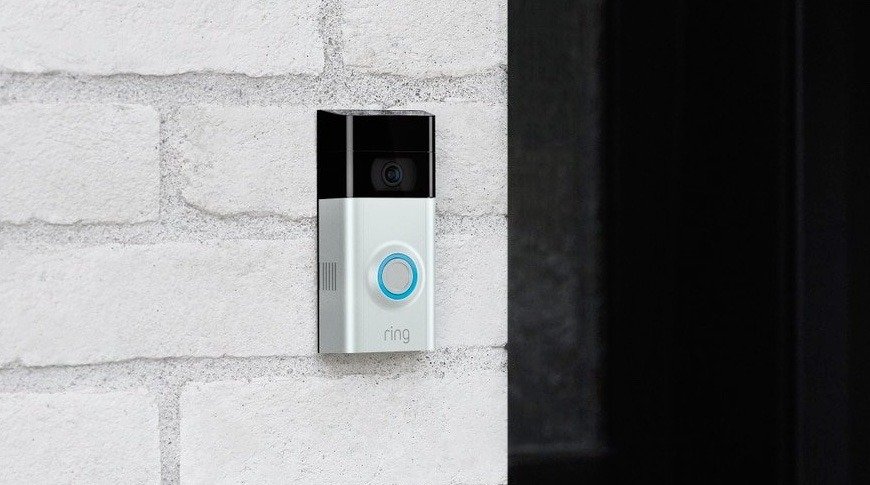
Ring doorbell camera
Reports from previous years have shown that federal agencies, including U.S. Immigration and Customs Enforcement, have accessed data from local Flock deployments. However, Flock has stated that they don't have direct data-sharing agreements with ICE.
Partnering with a company already at the center of national surveillance debates ensured the integration would draw scrutiny. Even without automatic data sharing, critics viewed the move as tightening the connection between consumer-owned home cameras and government investigative systems.
Ring's history with police partnerships
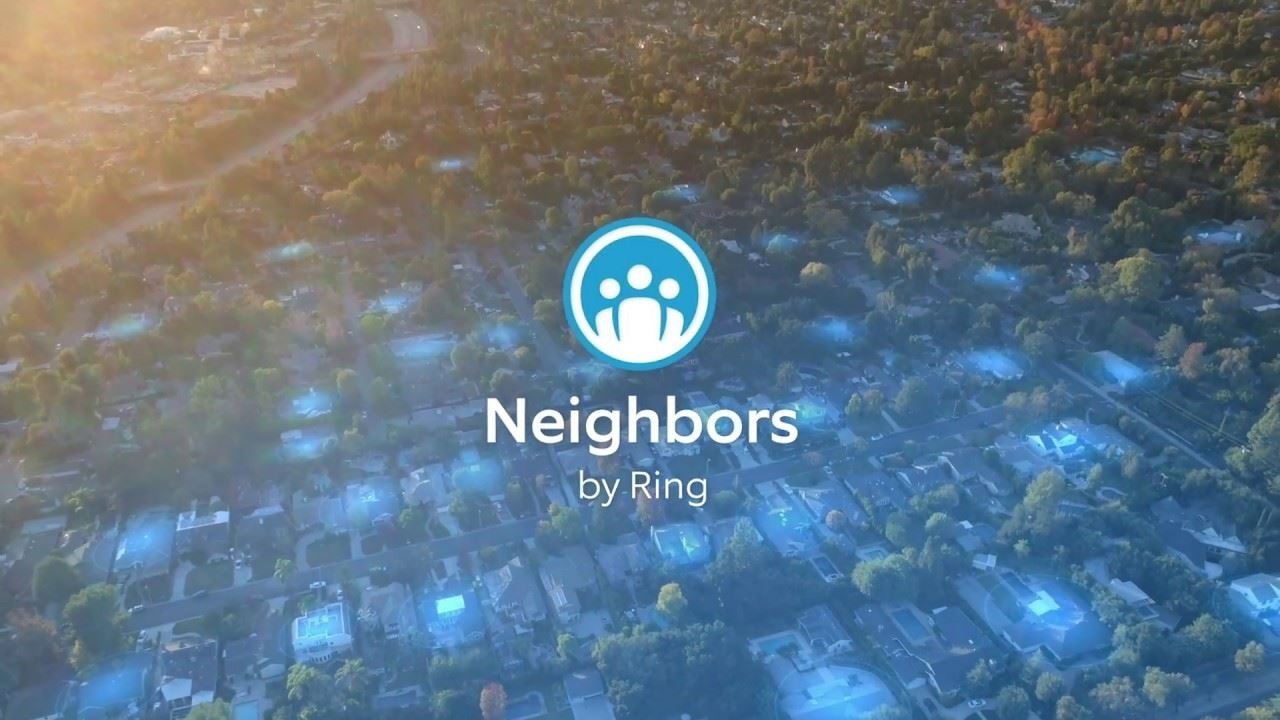
Ring has spent much of the past decade cultivating formal relationships with law enforcement agencies. Earlier versions of the Neighbors app allowed police departments to request footage directly from users within a defined geographic radius.
Privacy advocates were concerned that the structure made it easier for law enforcement to access privately owned cameras. They also worried it could turn consumer doorbells into a network for investigations.
In 2023, Ring agreed to a settlement with the Federal Trade Commission over allegations that the company failed to implement reasonable safeguards to protect customer video. The FTC said Ring allowed employees and contractors to access private footage without sufficient restrictions and failed to adequately secure user accounts.
Ring discontinued its earlier "Requests for Assistance" program in 2024 and replaced it with the current Community Requests system, which it described as more transparent and user-controlled. The proposed Flock integration was framed as an extension of that revised model rather than a return to the prior approach.
AI expansion changed the optics
Ring's recent expansion into artificial intelligence heightened sensitivity around the partnership. In early 2026, the company promoted a feature called Search Party that uses image recognition to help locate lost pets by scanning participating camera footage across a neighborhood.
Participation in Search Party is enabled by default, though users can opt out. Privacy advocates argued that large-scale video analysis, even for limited purposes, normalizes searchable neighborhood camera networks.
Ring also introduced a feature called Familiar Faces, which uses on-device processing to identify known individuals and send alerts to homeowners. The addition of AI-driven identification tools reinforced concerns that Ring's camera network was becoming more sophisticated and scalable.
Against that backdrop, the Flock partnership appeared less like a narrow technical integration and more like part of a broader trajectory toward interconnected surveillance infrastructure.
The Super Bowl inflection point
Ring aired a national Super Bowl advertisement in February 2026 highlighting Search Party and the idea of neighbors working together through connected cameras. The commercial depicted a coordinated network scanning streets and sidewalks in real time to locate a missing pet.
The imagery quickly drew criticism online and from lawmakers including Senator Ed Markey (D-Mass.), who has long questioned private surveillance partnerships. Critics argued the advertisement framed widespread camera coordination as benign community safety rather than as a form of neighborhood monitoring.
Reporting about the Flock integration circulated widely during the same period, linking the marketing campaign to law enforcement infrastructure. The overlap transformed what might have remained a backend product update into a broader debate about the normalization of AI-powered neighborhood surveillance.
Why Ring pulled back
Ring's public explanation focused on engineering scope and internal review. The company said the integration would require more time and resources than anticipated and decided not to proceed.
The speed of the cancellation suggests reputational risk was also a consideration. Ring devices occupy intimate spaces, from front doors to living rooms, and consumer trust remains central to the smart home market.
Regulatory context looms large as well. Ring's 2023 settlement with the FTC means any perceived expansion of law enforcement connectivity carries heightened scrutiny from policymakers and privacy advocates.
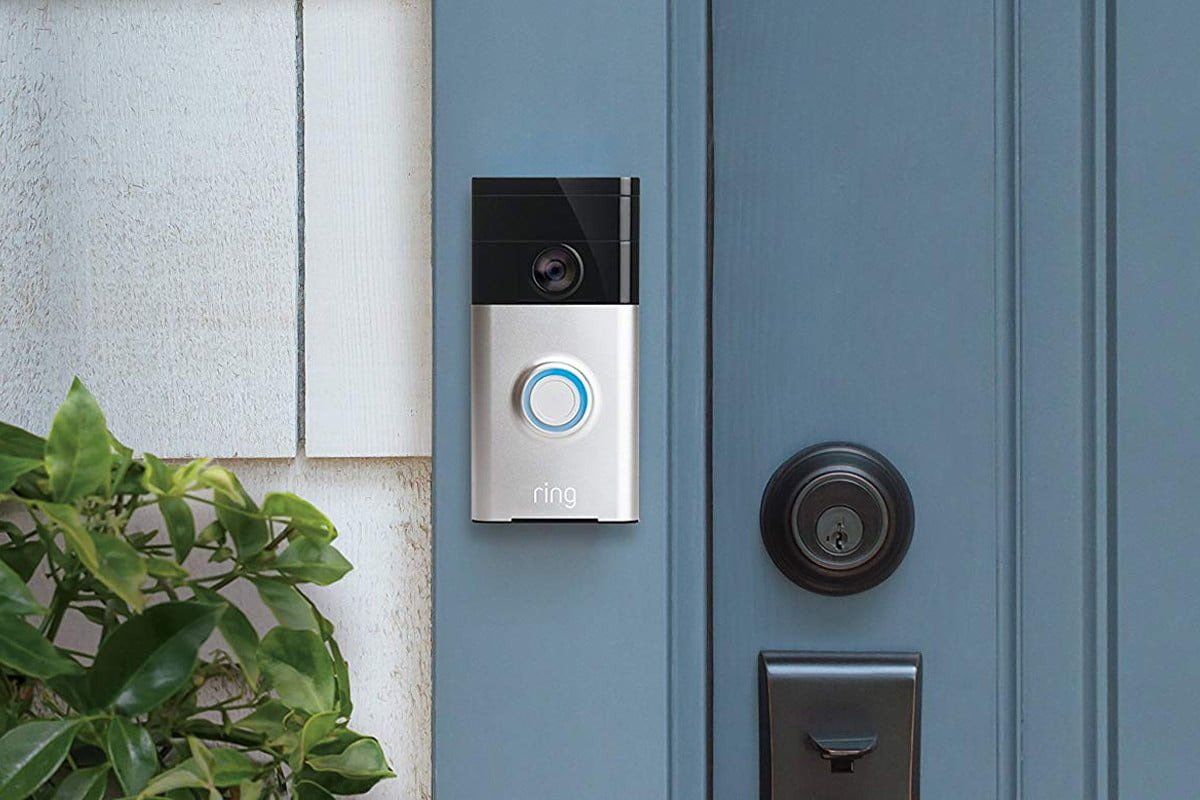
Ring also introduced a feature called Familiar Faces
Abandoning the partnership allowed Ring to contain the controversy before it reshaped the narrative around its broader AI and safety initiatives.
What this means for smart home surveillance
The cancellation doesn't end Ring's law enforcement relationships. Community Requests remains active, and agencies can still seek voluntary footage through approved channels that do not involve Flock.
Consumer smart home devices are now in a much more politicized environment than they were ten years ago. Doorbells and security cameras are seen as part of larger data ecosystems influenced by AI, cloud infrastructure, and public safety partnerships.
Companies adding AI to home security are facing scrutiny for default settings, data retention, and access permissions. Technical protections alone won't alleviate concerns about extensive surveillance, especially given persistent data breaches and leaks.
The broader pressure on Big Tech and policing
Ring's reversal also reflects a larger shift in how lawmakers and the public view technology companies that intersect with law enforcement. Congress and state legislatures in recent years have increased scrutiny of data-sharing practices, biometric tools, and AI-driven identification systems.
Companies that once framed police partnerships as public safety initiatives now face scrutiny over transparency, oversight, and mission creep. Lawmakers from both parties worry that privately owned camera networks can act as de facto public surveillance systems without constitutional safeguards.
A backend integration that once seemed routine on a product roadmap turned into something else entirely. In the public imagination, it became evidence of a closer alliance between consumer hardware and government surveillance infrastructure.
What changed — and what didn't
Ring didn't dismantle Community Requests. The company also didn't sever ties with law enforcement or retreat from AI features such as Search Party and Familiar Faces.
The trajectory of a high-profile integration shifted at a time when public tolerance for expanded surveillance is waning. The partnership with Flock, though technically limited, came after years of growing distrust.
Now, the appearance of interconnected camera networks is just as important as their technical protections.
Ring described the decision as an internal prioritization. The timing suggests it was also an acknowledgment that public trust can erode quickly when surveillance infrastructure becomes visible to consumers.