Regulatory bodies around the globe are asking if Apple has a right to charge for access to the popular platforms built around iPhone. Apple keeps telling them yes — this time in Brazil.
The Administrative Council for Economic Defense (CADE) in Brazil has been pursuing Apple on antitrust claims surrounding the App Store. The result was alternative app stores and external payment methods coming to Brazil, but now Apple's NFC rules are under fire.
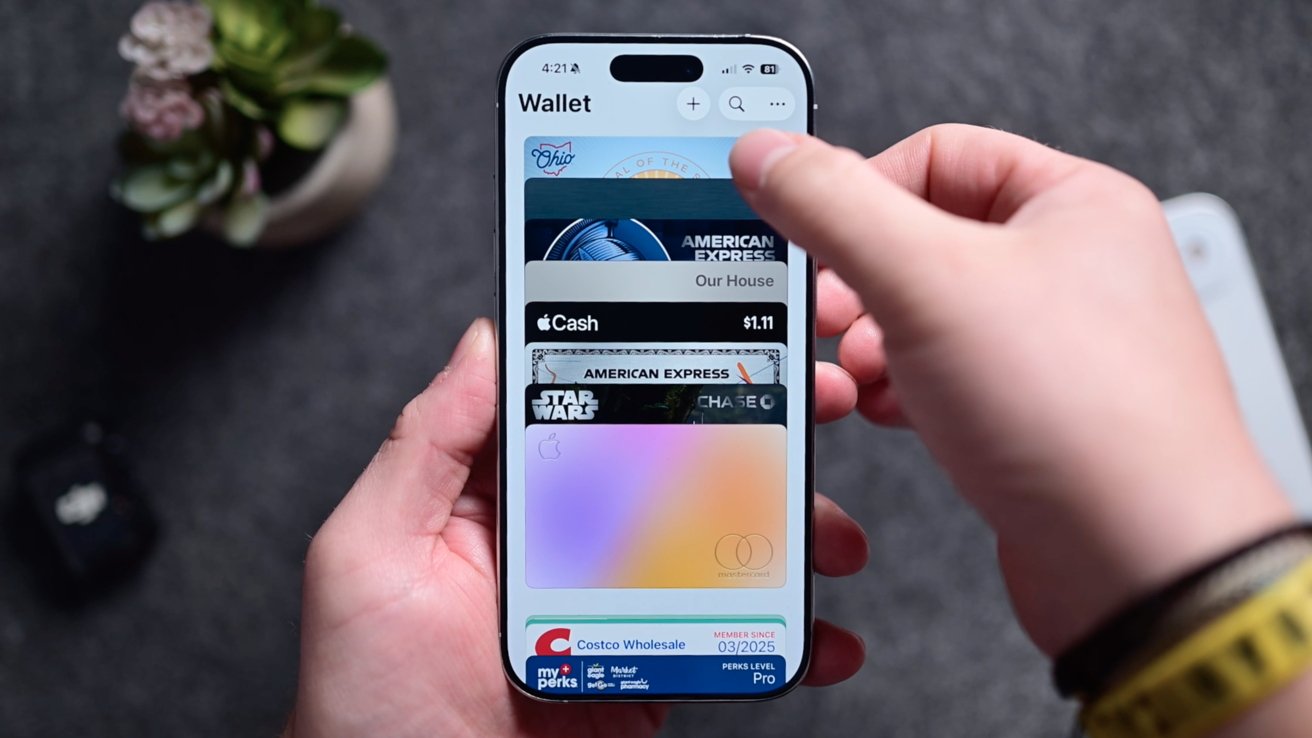
According to a report from O Globo, first shared by 9to5Mac, Apple says third parties like banks and payment service providers want "free ride" access to Apple's proprietary technologies. In this case, Apple is referring to the NFC payment platform offered by iPhone.
Services like Pix are shifting from QR code payments (Think of CurrentC) to NFC payments. Google has already allowed the technology to be adopted on Android smartphones, but it hasn't made its way to iPhone just yet.
The reason — Apple charges payment processors and banks for access to NFC per transaction. CADE and various banks in Brazil say that this is an anticompetitive move by Apple.
Apple's response to the antitrust accusations was a familiar, if warranted, refrain. The company says that not only is Apple Pay more secure and convenient, it was adopted in Brazil in 2018 by more than 40 banks and issuers.
However, the iPhone only represents a 10% market share in Brazil. So, even if Apple Pay is easily adopted and used, it is the minority payment platform by far.
Apple sees this as an argument against classifying Apple Pay and its fees for NFC as anticompetitive. Also, Apple says that Pix is an inferior platform for users.
"In addition, these companies are interested in promoting an NFC access model that, unlike Apple Pay and Apple Wallet, introduces frictions that can limit the willingness of users to easily switch between different payment cards, by requiring them to select a new payment solution each time they want to use a different card."
The issue isn't whether or not Pix is allowed to use the iPhone's NFC. Apple introduced a feature in iOS 18 that allows third parties to access the technology.
The issue is that Pix doesn't want to pay for access.
While I can't speak for Brazil or its regulators, Apple has won cases like this in the past regarding the App Store and other services. Regulators have, again and again, said that Apple deserves payment for access to its ecosystem and platform.
It remains to be seen what the Brazilian regulator will decide in regards to NFC access.