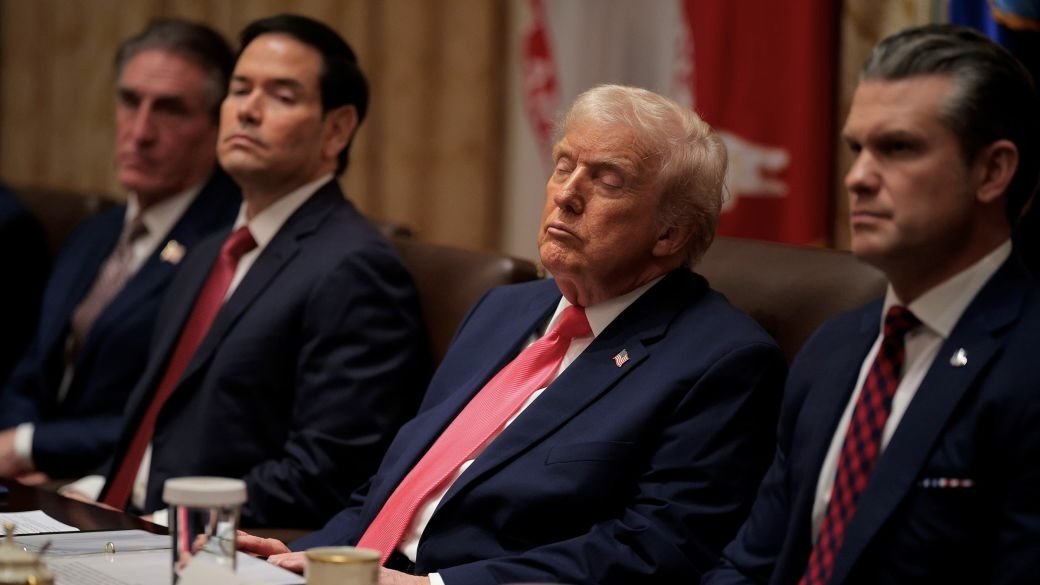
Hours after the Supreme Court struck down broad "reciprocal" tariffs as unlawful, President Donald Trump lashed out at justices, and said he will impose a 10% global tariff under a different trade law with more restrictions and a timetable.
The announcement follows a 6-3 ruling that the earlier tariffs, imposed under the International Emergency Economic Powers Act, exceeded presidential authority and required congressional approval. The now-invalidated tariffs have cost Apple about $2 billion.
Section 122 provides a narrower legal pathway, but it doesn't soften the economic impact. The statute permits temporary tariffs of up to 15% total for 150 days unless Congress votes to extend them.
The new increases are still about four times more than Apple paid in tariffs in February 2025.
A temporary tariff is still a tax hike
Section 122 was designed as a short-term balance-of-payments tool, not as a substitute for comprehensive trade policy. A 10% global tariff may carry an expiration date, but it functions immediately as a tax increase on imports.
Markets can tell the difference between lasting policy and political games. Companies still have to set prices, manage contracts, and reassure investors while dealing with another sudden change in trade rules.
Apple has already spent hundreds of millions reorganizing manufacturing and logistics after the earlier tariffs. A fresh 10% levy injects new uncertainty before the financial damage from the previous round has even been fully resolved.
A global tariff eliminates flexibility
Section 122 requires non-discriminatory treatment, meaning one uniform tariff rate must apply to imports from every country.
The requirement discards the administration's earlier country-by-country approach and removes the ability to selectively pressure or reward trading partners. A flat 10% tariff applies equally to China, India, Vietnam, South Korea, and every other hub in Apple's global supply chain.
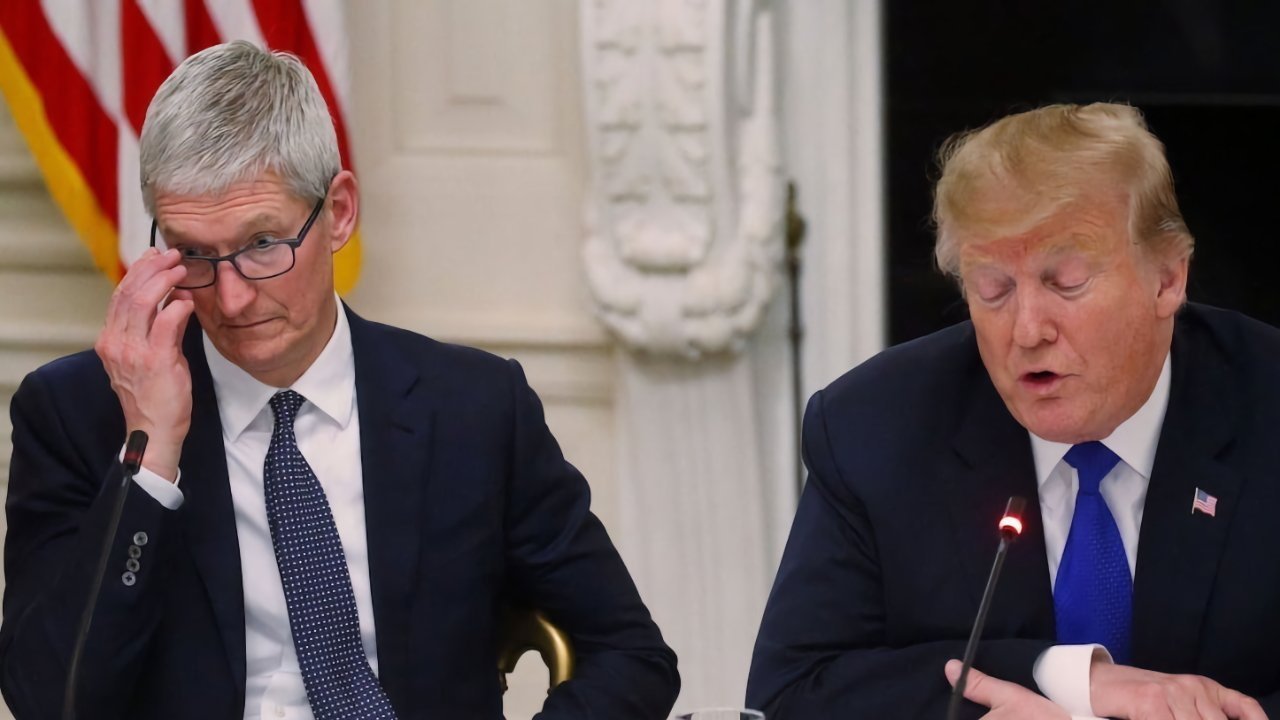
Tim Cook (left) and Trump in a previous meeting. Image credit: White House
Supply chain diversification was meant to reduce geopolitical exposure. A global tariff undercuts that effort by taxing imports regardless of origin, effectively penalizing companies that adapted to earlier trade disruptions.
Consumers, not foreign governments, pay the bill
Tariffs are paid by U.S. importers at the border, and those costs are routinely passed along through higher prices or absorbed through thinner margins.
A 10% levy would affect iPhone, Mac, PC components, televisions, networking equipment, and everyday goods. Economists have consistently found that prior tariff rounds were felt by American businesses and households, with no real impact to foreign exporters other than reduced order volume.
Apple avoided significant retail price increases during earlier tariff swings by absorbing costs and shifting production. A renewed global tariff tests that strategy again, particularly if Congress extends the measure beyond its statutory limit.
It's not clear how that vote will go. The "reciprocal" tariffs were not well thought of, on either side of the aisle, and it is an election year.
Congress and the courts remain the backstop
Section 122 tariffs expire after 150 days unless Congress acts. Lawmakers can allow the tariff to lapse or vote to extend what amounts to a broad import tax.
The Supreme Court has already rejected expansive unilateral tariff claims, and new litigation is likely if businesses challenge how Section 122 is applied. For import-dependent companies such as Apple, the pattern is becoming familiar.
A policy framed as economic leverage operates in practice as a domestic tax increase imposed by executive action. The result is renewed supply chain instability and another round of planning around Washington rather than market demand.