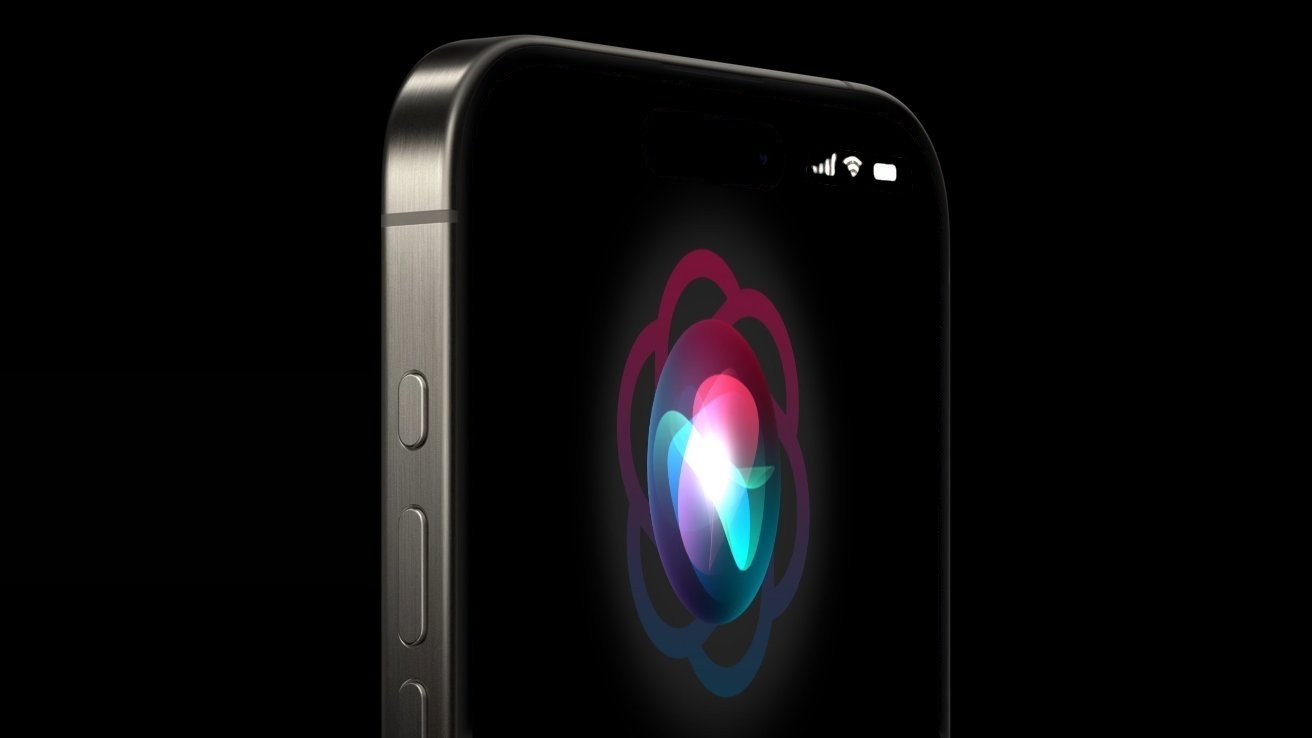
Years of under-investment in data centers may mean that Apple will increase its reliance on Google when the revamped Siri launches. Or it may not, it's hard to tell from the inconsistent report.
Even back in 2021, Apple was Google's largest corporate cloud customer , as the company preferred leasing data centers rather than build up its own network of servers. That's reportedly worked well, even now when Apple Intelligence requires more servers.
According to The Information, what servers Apple does own are proving to be vastly underused. Citing unspecified former Apple employees, the report claims that on average, only 10% of Apple's Private Cloud Compute capacity is in use.
That's low enough that the report also claims that Apple has servers still waiting in warehouses to be installed.
However, Apple is said to be talking about expanding its footprint in Google data centers, and so expanding the relationship it has with that firm about AI. As previously announced, Google Gemini will provide technology for the forthcoming improved Siri.
When that updated Siri is released, Apple expects to see a radical increase in Apple Intelligence usage. Consequently, it is reportedly discussing leasing more servers from Google.
Not a privacy issue
Apple servers in a Google data center are still Apple-controlled.
The report says that previously Apple has forbidden the use of Google servers because of privacy concerns. Now, however, improvements to that issue have meant Apple is more willing to use them, perhaps instead of spreading its services across multiple companies.
"Apple and Google have two very different engineering cultures," said Igor Naverniouk, a now ex-Apple engineer said to have previously worked on the new Siri. "At Google, most things are centralized. Everybody is using the same supercomputer. At Apple, technology choices are siloed."
For the new Siri, Tim Cook has already said that the deal with Google to use Gemini will not see Apple relaxing its privacy systems.
"We're not changing our privacy rules," said Cook. "We still have the same architecture that we announced before, which is on device plus Private Cloud Compute."
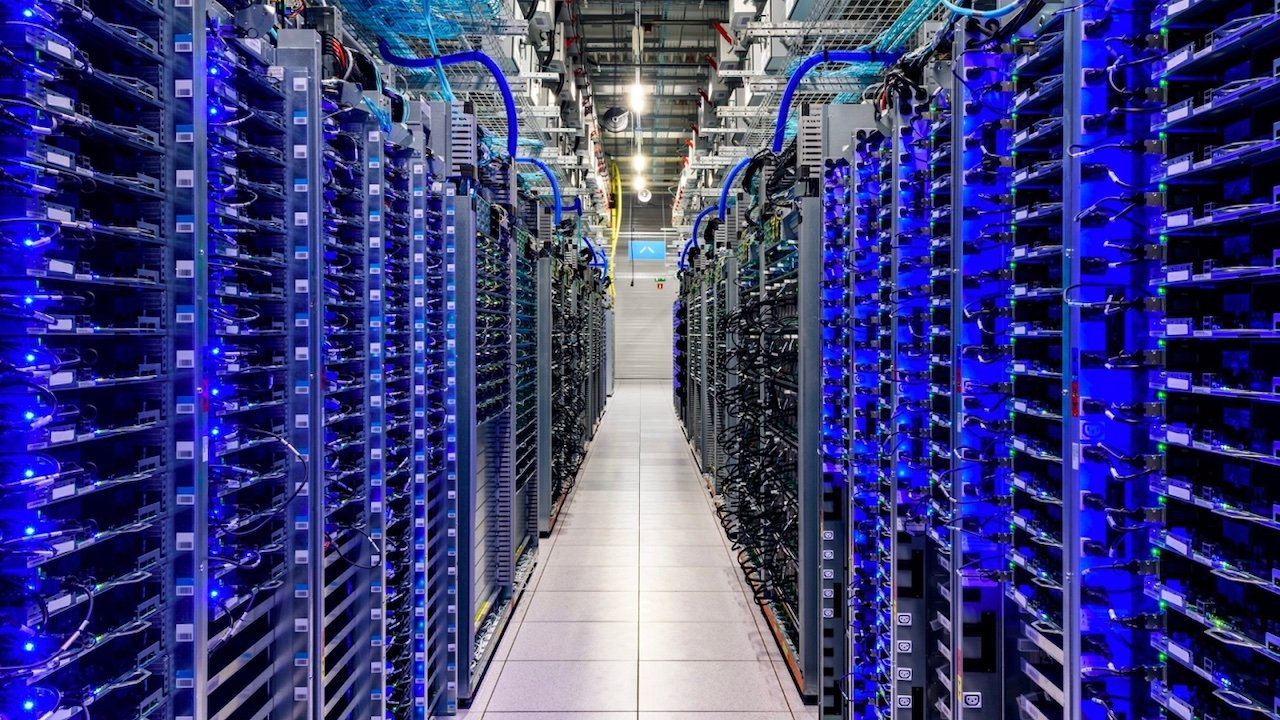
Inside a Google data facility — image credit: Google
When first announced in 2024, Apple said that Private Cloud Compute ran on Apple Silicon-based servers. Those servers were secure, did not store user data, and used encryption to maintain security.
Apple offered, and continues to offer, to allow security experts to test its Private Cloud Compute privacy systems.
None of the privacy and security technologies will change with the use of Google servers. The difference will presumably be that the servers do not run on Apple Silicon, and are based in Google data centers.
Apple-controlled servers are still controlled by Apple, even if they are housed in a Google facility.
Apple's dependence on Google
This new report doesn't make any claims about Apple's privacy being weakened by the deal. But it does argue that Apple is weakened by being dependent on third-party servers.
It also accuses Apple of being tight-fisted over investment in its own servers. It's highly critical over what was called Project ACDC, a plan to develop processors for data centres.
Reportedly, Apple has been working since at least 2013 to get its use of cloud servers into one pool for all of its teams. Between then and 2023, two different people were tasked with centralizing server usage, and then left Apple after their projects failed.
Consequently, Apple was left with internal disarray with its teams spending individually on data servers. If one team had excess capacity, still no other team could use it.
Plus reportedly, what servers Apple did have were aging and the company had to replace them. It's not clear how the devices produced in the Houston effort factor into all this, and the report does not discuss that at all.
So the argument is that Apple should spend more on data centers and do so in a more unified way. But at the same time, the report criticizes Apple for becoming reliant on Google.
There's also a presumption is that Apple was too frugal to buy servers and instead rented them, as if renting did not cost money as well.
Apple always prefers to do everything itself, to own the whole stack, from design through to manufacturing. That does mean that it renting servers goes against its usual practices.
But then the reason to rent is not to save money per se, it is to provide capacity. Apple can increase its server usage as soon as demand requires it, instead of having to wait months or years to build up that capacity itself.