
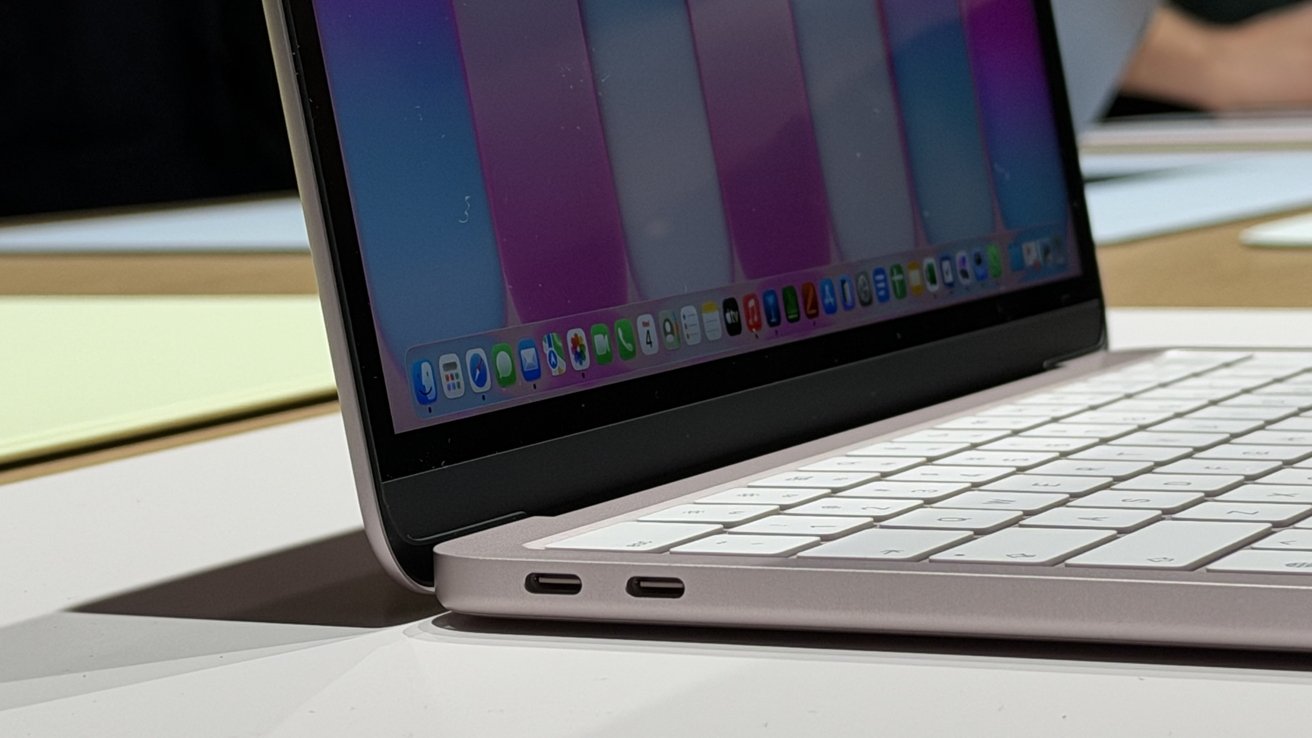
Apple's new MacBook Neo can connect to an external monitor, but its native display support shows exactly where Apple positions the machine in its Mac lineup.
The new notebook can handle one external display with up to 4K resolution at 60Hz while also using its built-in 13-inch Liquid Retina display. It connects through a USB-C port with DisplayPort, which is perfect for a single 4K monitor.
However, it doesn't support multi-display setups like some higher-end Macs do.
External display limitations have always been a thing with Apple's entry-level hardware. The MacBook Neo acts a lot like the early Apple Silicon laptops because of the simpler display setup of the A18 Pro chip inside.
MacBook Neo external monitor support
MacBook Neo includes two USB-C ports for charging and accessories. Only the left USB-C port, which operates at USB 3 speeds, supports external display output through DisplayPort over USB-C alt mode.
The system can drive one external monitor with up to 4K resolution at 60Hz while continuing to run its built-in screen at full resolution. The internal display measures 13 inches diagonally with a resolution of 2408 by 1506 pixels and up to 500 nits of brightness.
Apple's configuration means a typical desk setup pairs the laptop with a single external monitor rather than multiple displays.
How MacBook Neo compares with Apple Silicon Macs
The limitation echoes Apple's first generation of Apple Silicon laptops. The original MacBook Air with M1 also supported only one external display despite having Thunderbolt ports.
Later Apple Silicon machines expanded those capabilities significantly. MacBook Air models with Apple Silicon chips use Thunderbolt connections that can drive high-resolution monitors such as Apple's 6K Pro Display XDR.
MacBook Pro systems go further and support multiple external monitors at the same time. Higher-tier Apple Silicon chips can drive several displays simultaneously using combinations of Thunderbolt and HDMI connections.
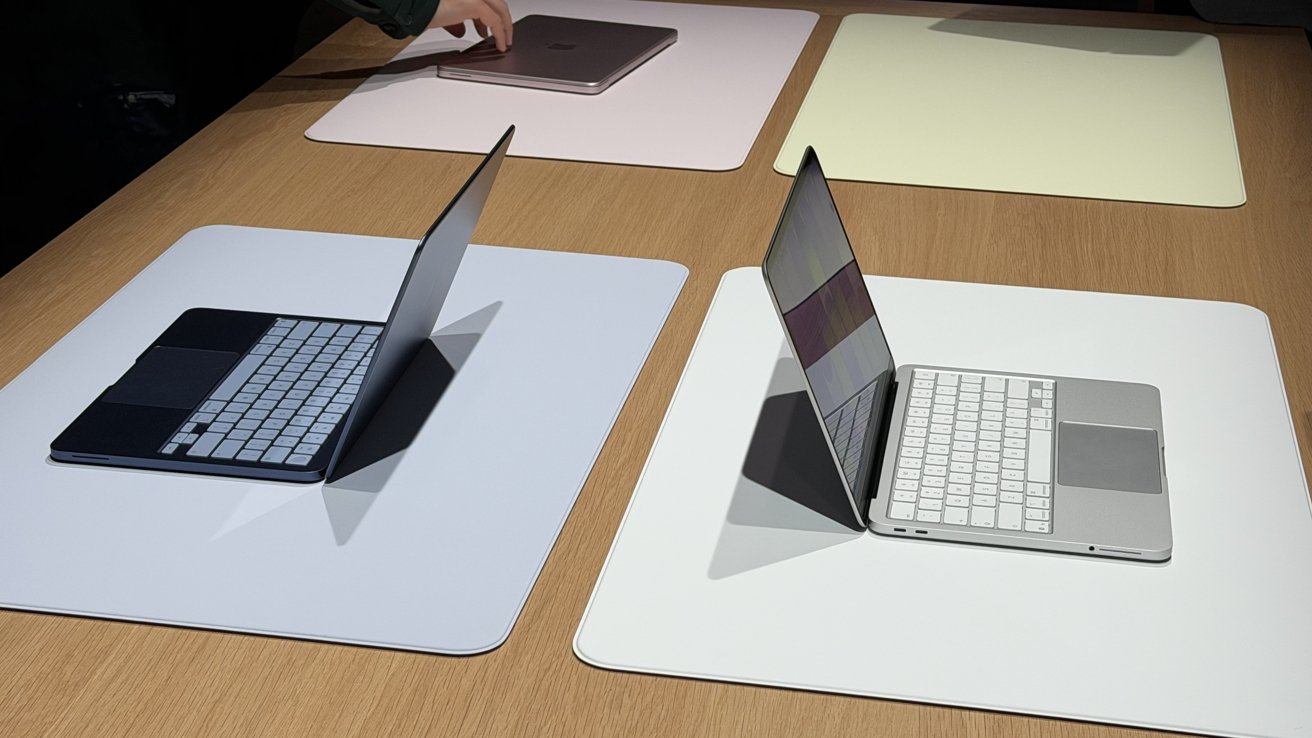
MacBook Neo runs on Apple's A18 Pro chip
The difference comes down to the display engines built into the processor. Base chips typically expose a single external display pipeline, while higher-end chips add additional display controllers that enable more monitors.
Why MacBook Neo supports only one monitor
MacBook Neo runs on Apple's A18 Pro chip, a processor derived from Apple's mobile silicon used in iPhone. Mobile-class chips prioritize efficiency and integration rather than the larger display subsystems found in workstation-class processors.
Geekbench 6 results show the A18 Pro scoring at 3,539 in single-core performance and 8,772 in multi-core, with iPhone 16 Pro as the host device. Those numbers place Apple's mobile chip in the same general range as the original M1 Mac for multi-threaded workloads.
Driving several external displays requires additional display engines and higher-bandwidth I/O links such as Thunderbolt. MacBook Neo instead relies on standard USB-C connectivity, which keeps the laptop simpler and more affordable.
The trade-off is reduced flexibility for multi-monitor setups. And no Thunderbolt.
Where MacBook Neo fits in Apple's Mac lineup
Apple introduced MacBook Neo on March 4 as its most affordable Mac notebook, with a starting price of $599.
The laptop targets students and everyday users who want a lightweight macOS machine for web browsing, documents, streaming media, and light creative work. A single external monitor fits comfortably within that type of workflow.
Users who rely on multi-display desks for development, video editing, or financial trading will still need MacBook Air or MacBook Pro models with Apple Silicon M-series chips. These systems are designed for heavier desktop setups with multiple high-resolution displays.