The new 2026 Apple Studio Display is here, boasting minor upgrades over the previous generation that leave existing owners with little reason to upgrade.
Apple announced the second-generation Studio Display on March 3, 2026, with the monitor going on sale a week later. But its thunder was stolen by the arrival of the all-new Studio Display XDR, with its mini-LED backlight and 120Hz refresh rate.
Predictably, the Studio Display XDR is an expensive beast, starting at $3,299. That leaves the refreshed Studio Display as the more affordable option — it matches the same $1,599 starting price of its predecessor.

Apple Studio Display
The Studio Display has never been a cheap monitor, but some had hoped for meaningful upgrades from this second iteration. Unfortunately, those same people have been left disappointed.
Studio Display vs 2026 Studio Display: Specifications
| Specifications | Apple Studio Display | 2026 Apple Studio Display |
|---|---|---|
| Price | $1,599-$2,299 | $1,599-$2,299 |
| Size | 27-inch | 27-inch |
| Resolution | 5120 x 2880 (5K) | 5120 x 2880 (5K) |
| Panel | LCD with IPS | LCD with IPS |
| Color range | P3 | P3 |
| Peak brightness | 600 nits | 600 nits |
| Aspect ratio | 16:9 | 16:9 |
| PPI | 218 | 218 |
| Refresh rate | 60Hz | 60Hz |
| Webcam | 12MP ultra-wide | 12MP Center Stage camera with Desk View |
| Connectivity | 3x USB-C, 1x Thunderbolt 3 | 2x USB-C, 2x Thunderbolt 5 |
| Chip | Apple A13 Bionic | Apple A19 |
| Audio | 6-speaker system | 6-speaker system |
| Microphone | 3-mic array | 3-mic array |
| Display finish | Anti-reflective with optional nano-texture | Anti-reflective with optional nano-texture |
| Stand | Tilt, optional height+tilt stand +$400 | Tilt, optional height+tilt stand +$400 |
| Weight | 13.9 pounds or 16.9 pounds with optional stand | 13.9 pounds or 16.8 pounds with optional stand |
Studio Display vs 2026 Studio Display: Design and dimensions
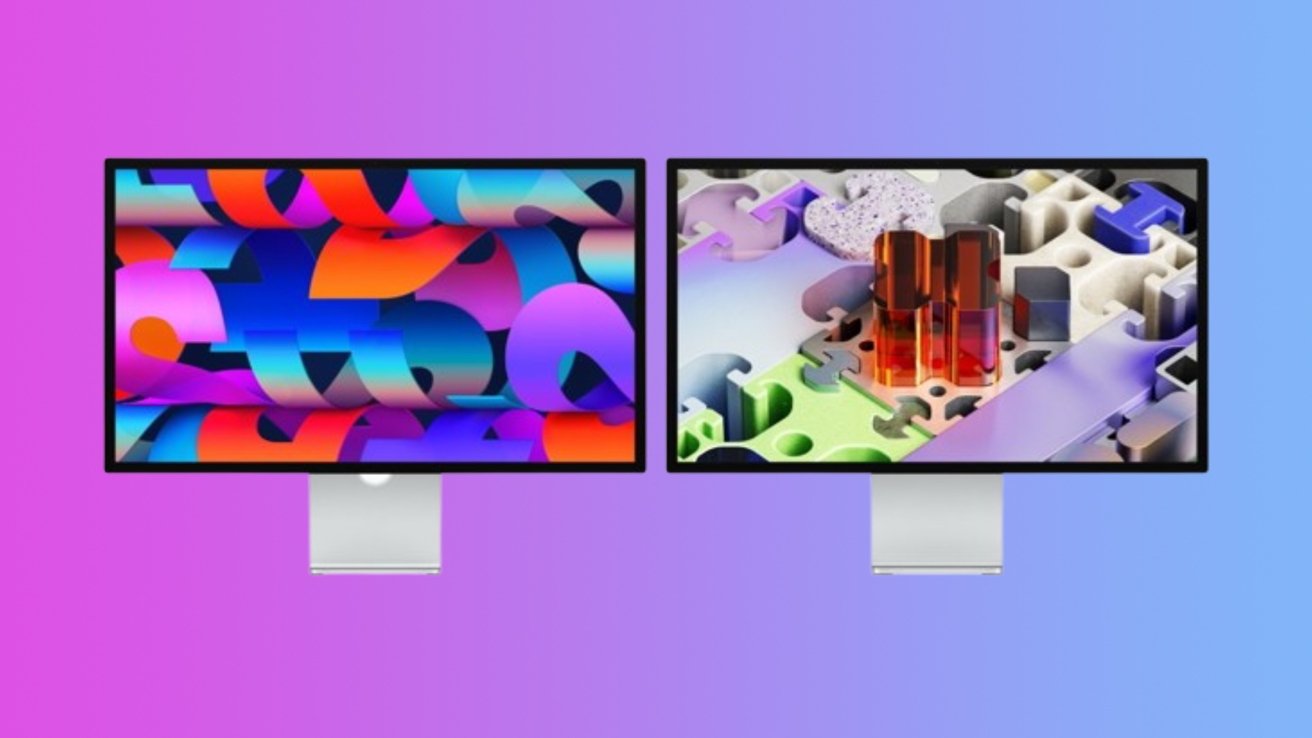
It's impossible to identify a 2026 Studio Display from the original just by looking at it. The monitors are identical, right down to the stand and optional nano-texture display finish.
That means that buyers know exactly what to expect from the Studio Display. It's a monitor with minimal bezels and a metal construction that uses 100% recycled aluminum.
In terms of dimensions, the two monitors are, as you'd expect, identical. That is, except for one slight difference in weight.
2022 Studio Display vs 2026 Studio Display: Apple's 2022 Studio Display
Apple says that the 2026 Studio Display weighs 13.9 pounds, or 16.8 pounds with the optional stand. The original model comes in at 13.9 pounds or 16.9 pounds with the optional height-adjustable stand — the stand is ever-so-slightly lighter this time around.
The unchanged dimensions make the Studio Display 18.8 inches tall, 23.5 inches wide, and 6.6 inches deep when using the included tilt-adjustable stand.
Studio Display vs 2026 Studio Display: Display technology
Just like the original, the new 2026 Studio Display sports a 27-inch LCD display with a 5K (5120x2880) resolution. That equates to a Retina-capable 218 pixels per inch.
Again, both displays can reach a 600-nit peak brightness and support a 60Hz refresh rate. Buyers will need to choose the Studio Display XDR if a 120Hz refresh rate is important to them.
Continuing the display specs, both screens support P3 wide color and True Tone technology. Both can also display a cool one billion colors.
Both the original and 2026 Studio Displays come with an anti-reflective coating as standard. But an optional nano-texture finish is available for people who need to eliminate reflections as much as possible.
Apple has boosted the chip driving the display, with the new model using an A19 instead of the A13 Bionic. However, this doesn't seemingly make any difference to the display's performance, and Apple certainly hasn't detailed any related changes either.
Studio Display vs 2026 Studio Display: Connectivity
Connectivity is one of the few differentiators between the original and updated Studio Display. But the upgrades are minimal.
The 2022 Studio Display had a total of four ports, including one upstream Thunderbolt 3 port with 96 watts of power for charging a MacBook. That was joined by a trio of 10 Gbps USB-C ports for connecting accessories.
Fast-forward to the 2026 model, and Apple has changed things up. There are still just four ports, but the composition has changed.
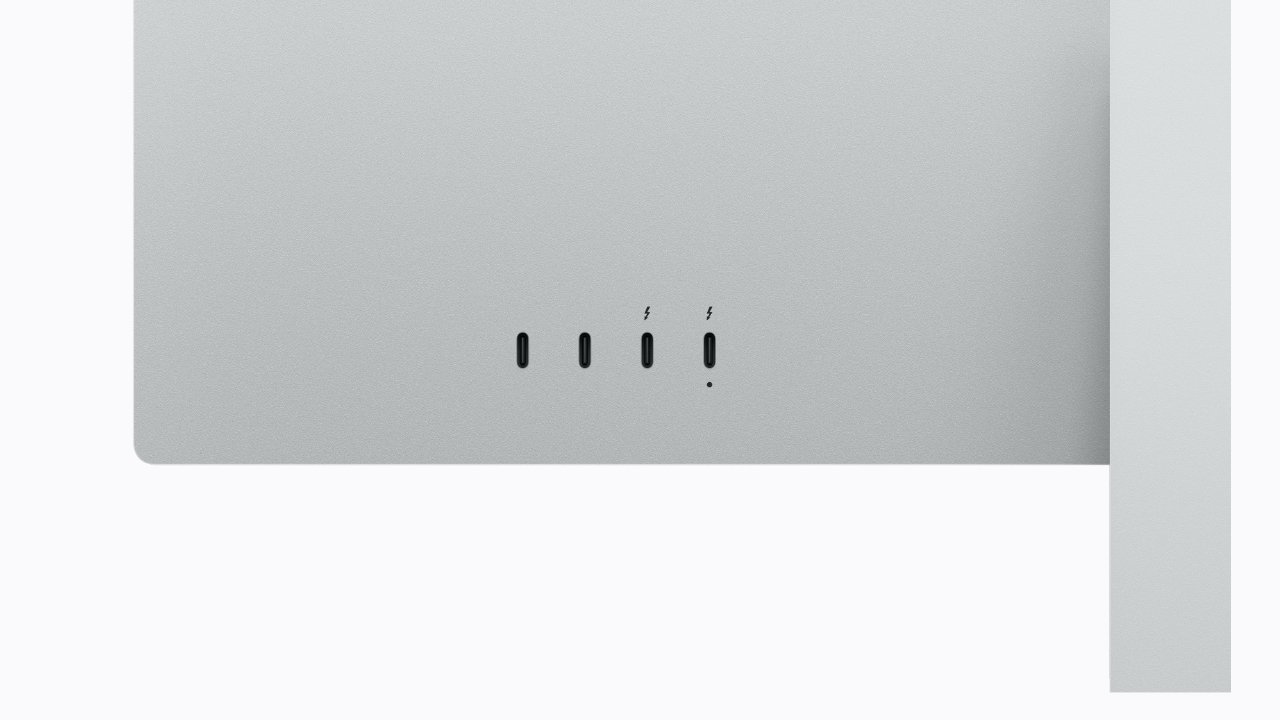
2022 Studio Display vs 2026 Studio Display: Port changes — image credit: Apple
The new Studio Display comes with two Thunderbolt 5 ports, one of which is used for upstream connectivity. It also offers 96 watts of charging power.
The second Thunderbolt 5 port offers data transfer speeds of up to 120 Gbps. Perfect for high-throughput accessories like a NAS or daisy-chaining additional displays.
The remaining two ports are 10 Gbps USB-C ports for accessories like external storage, speakers, etc.
Studio Display vs 2026 Studio Display: Audio and webcam
The 2026 Studio Display comes with a six-speaker audio system with force-cancelling woofers and supports Spatial Audio. This is the same setup as the original model, but Apple says the new model offers 30% deeper bass.
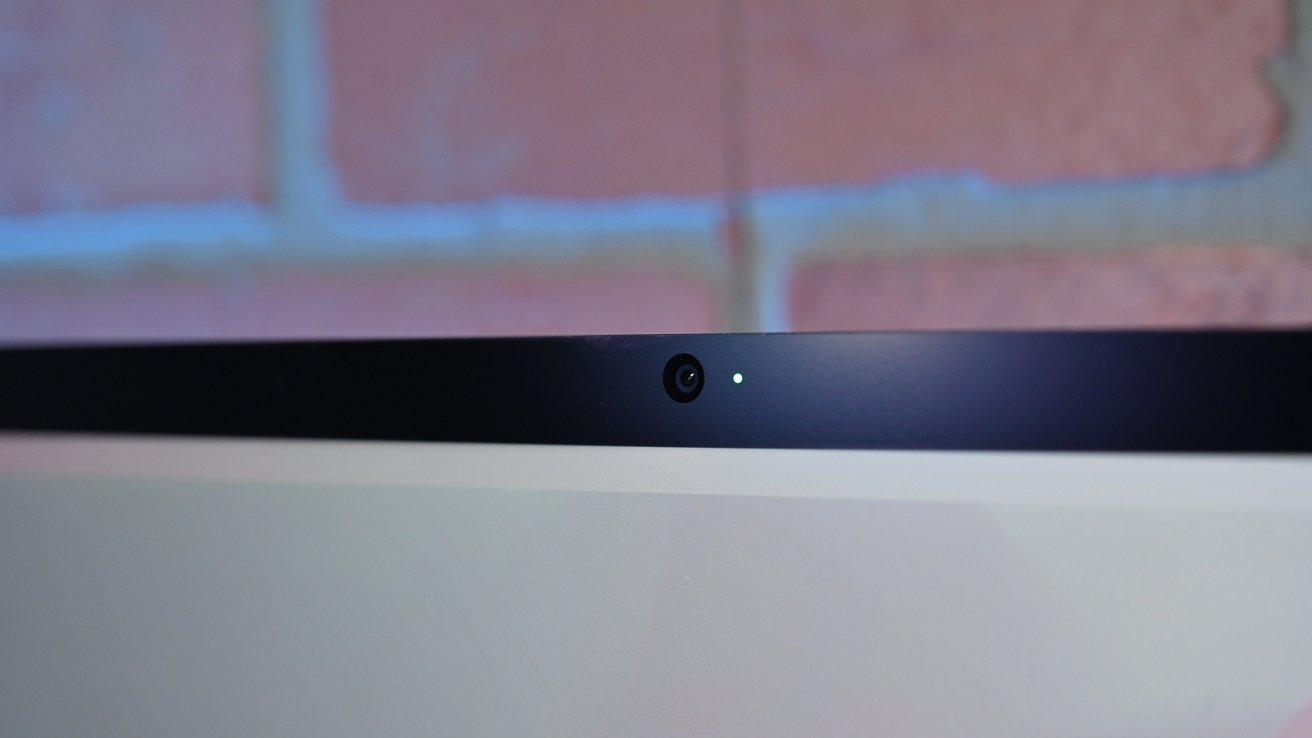
2022 Studio Display vs 2026 Studio Display: FaceTime HD camera on the Studio Display
Both monitors boast a studio-quality three-mic array with a high signal-to-noise ratio and directional beamforming. That means that both also support the "Hey Siri" wake command.
Things do differ when we get to the webcam above the display. While both monitors use 12-megapixel cameras, the 2026 model has a Center Stage camera with Desk View support — something missing from the original model.
Studio Display vs 2026 Studio Display: Pricing
Apple's pricing has remained unchanged for this refreshed Studio Display. That means the monitor still starts at $1,599 in its base configuration with standard glass and a tilt-adjustable stand.
Buyers can choose a nano-texture finish for $1,899, while adding a tilt- and height-adjustable stand will add $400 to the total price. A VESA mount adapter is a free option for those willing to forgo the tilt-adjustable stand entirely.
Studio Display vs 2026 Studio Display: Which to buy
Choosing which Studio Display to buy is easy — the original model has now been discontinued. If you want to buy a Studio Display today, you'll get the new model unless you go the used or refurbished routes.
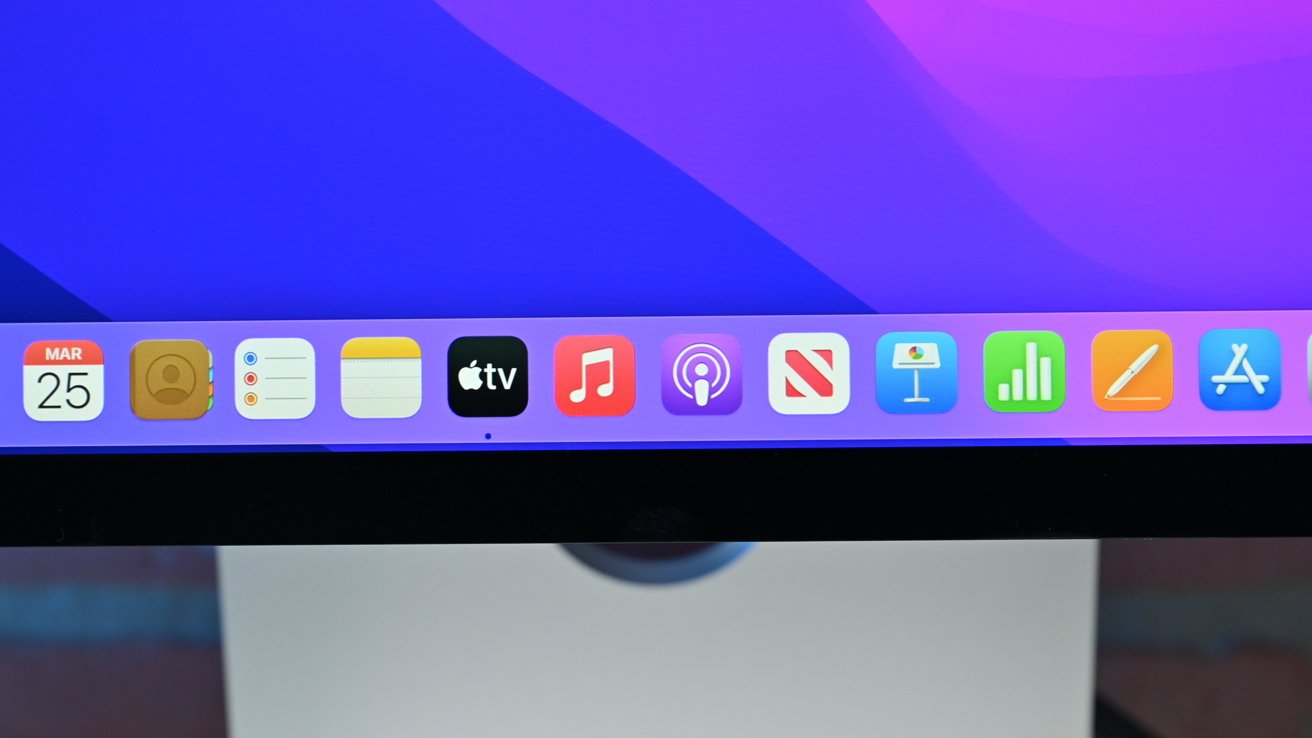
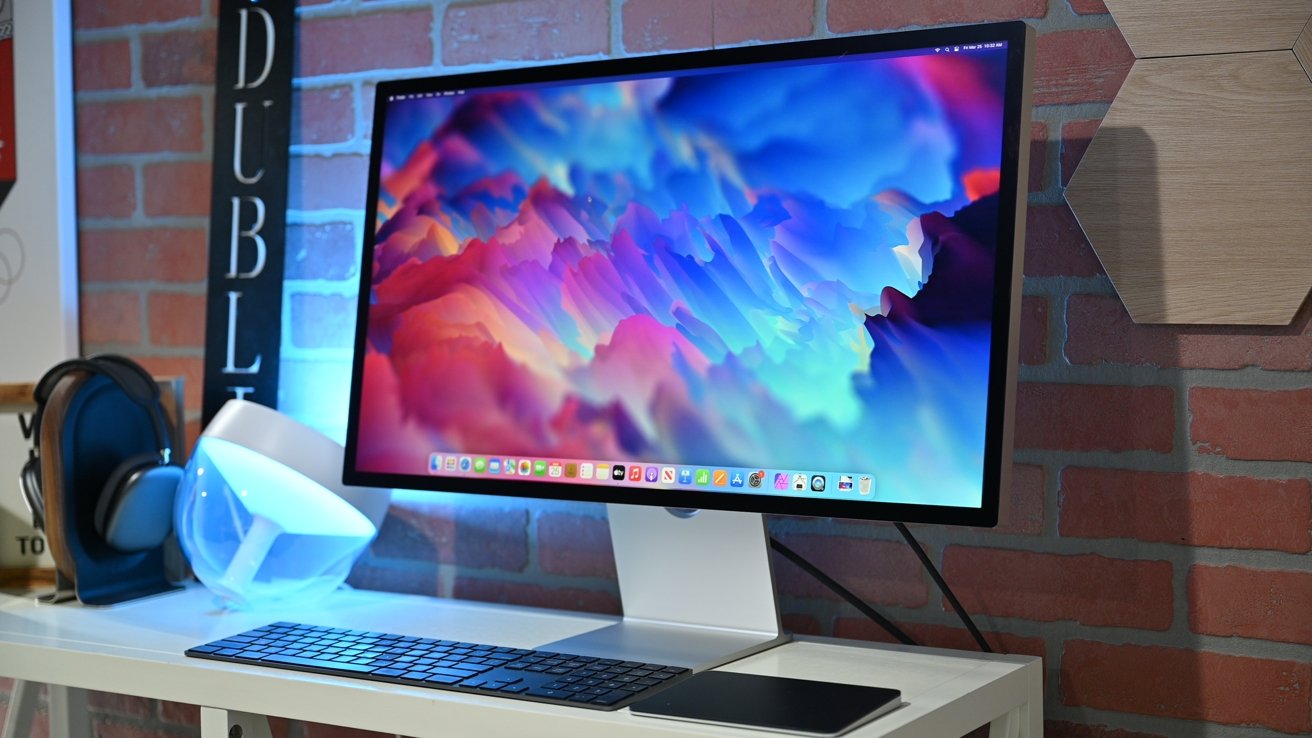
2022 Studio Display vs 2026 Studio Display: As a screen, they're practically identical.
The only real question is whether existing Studio Display owners should upgrade to the newer model. That will largely depend on whether your current monitor is working well and whether the small upgrades will make a difference in your usage.
The biggest change from the 2022 Studio Display to the 2026 model is in connectivity. The new model's move to Thunderbolt 5, plus the addition of an extra high-speed port, could be beneficial to some.
But for everyone else, it's unlikely the upgrade is worthwhile given the modest upgrades elsewhere.
Studio Display vs 2026 Studio Display: Where to buy
Apple's 2026 Studio Display starts at $1,599, with Amazon and B&H selling the monitors with multiple stand options to choose from.
Amazon is also clearing out 2022 Studio Display inventory, with this nano-texture glass option $230 off while supplies last. You can find the latest offers in our Computer Monitor Price Guide.