
After pressure from regulatory committees about fears of Chinese spies and botnets, the FCC has placed a ban on all new foreign-made consumer routers.
Regulators have become increasingly interested in routers after Chinese brands took more than 65% market share during the pandemic. US router makers like Netgear pushed back with lawsuits and lobbying, and it seems to have borne some fruit, though the result may cause problems for everyone.
According to a report from Reuters, the FCC has deemed all foreign-made routers a national security concern. This seems to imply that the United States wants all routers manufactured in the country via "secure supply chains."
Like any hardware, routers are shipped with firmware that may have vulnerabilities that need patching. Companies work to patch these as they are discovered by sending out updates.
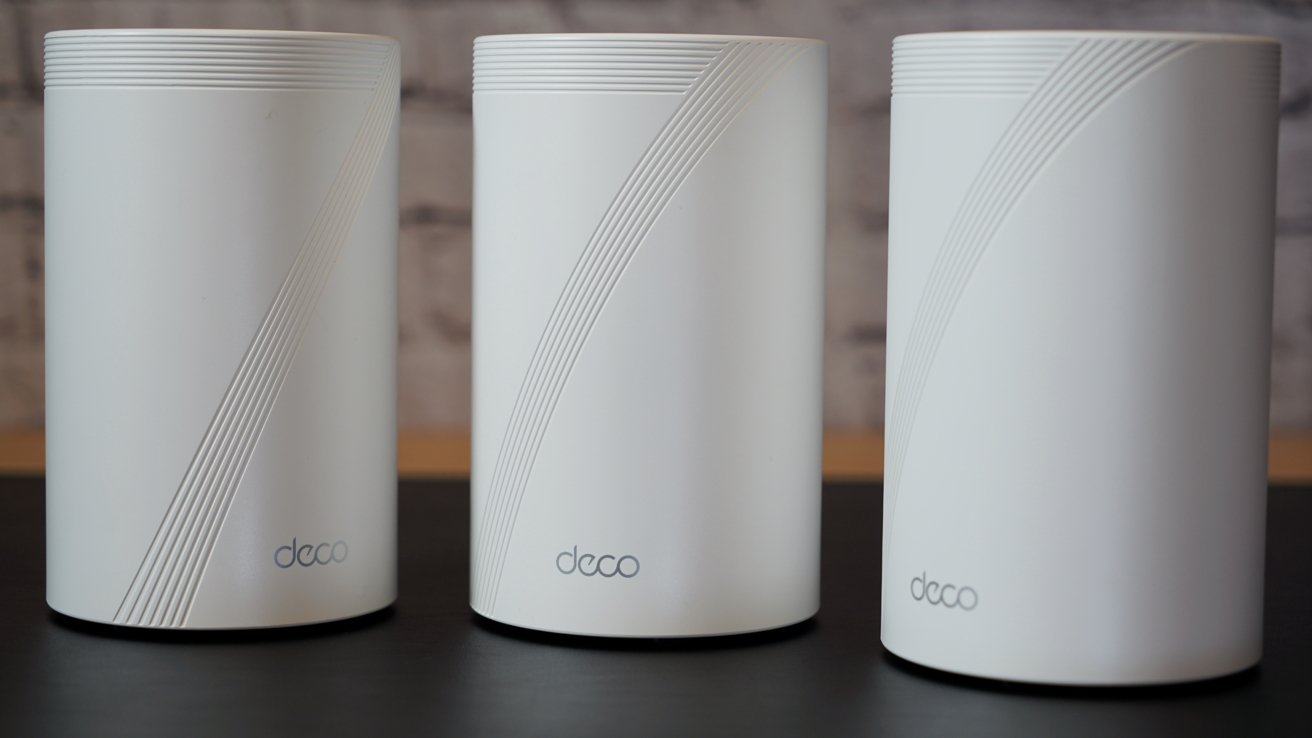
That hasn't stopped some US-based companies from spreading a narrative that Chinese-sourced routers are a danger to US citizens. One such target of said rumors was TP-Link, a company now based in the United States that was originally founded in China.
TP-Link is one target among many
Cybersecurity experts have shared that TP-Link routers don't have any more vulnerabilities than its competitors, and that the company is proactive in patching them. However, it was enough for Netgear and politically motivated regulators to target the TP-Link after a few notable hacking instances involving their routers in recent years.
Netgear repeatedly referenced TP-Link on security concerns in a move TP-Link described as a "smear campaign." A ban would benefit Netgear, which saw shrinking market share after TP-Link took significant market share during the pandemic.
Regulators across the two Trump administrations have also not been shy about cutting ties with China for any reason. They fear that increased competition from lower-priced products from China would undercut American businesses.
TP-Link became such an easy-to-access product that ISPs across the United States defaulted to TP-Link for their default router. The last count was more than 300 ISPs.
The growing fear was that TP-Link was specifically manufacturing vulnerabilities so China could hack significant portions of US infrastructure with ease. No evidence of this has been presented or shared by cybersecurity experts.

TP-Link offer some of the most affordable routers on the market
Lawsuits that began in the Biden administration carried over to the current Trump administration and have only gained support as a result. The FCC previously banned foreign-made drones in December 2025 for similar national security concerns.
Defining foreign-made
The ban seems to apply to any router that doesn't make it onto an exemption list, which companies can apply for. Those that apply will be evaluated by the Department of Defense and the Department of Homeland Security on whether they pose a risk or not.
It isn't clear if TP-Link will be granted an exemption. US companies like Netgear source parts and manufacture routers in places like Taiwan, so it isn't clear how the ban affects them either.
There's some suggestion that companies are expected to move manufacturing to the US. Instead, it seems the US government will choose the winners and losers regardless of where they are manufactured as long as they align with US values.
I'm willing to bet that Netgear will be a winner and TP-Link will be a loser.
All of this makes me wish Apple were still in the router game. I'd give anything for a modern Apple AirPort router with Wi-Fi 7 and Apple Home capabilities.
In the meantime, those in the market for new routers may find their selection severely limited and highly expensive. Routers that are already for sale in the United States aren't affected and can still be purchased and used.