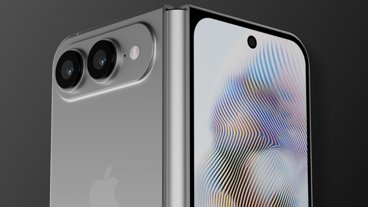
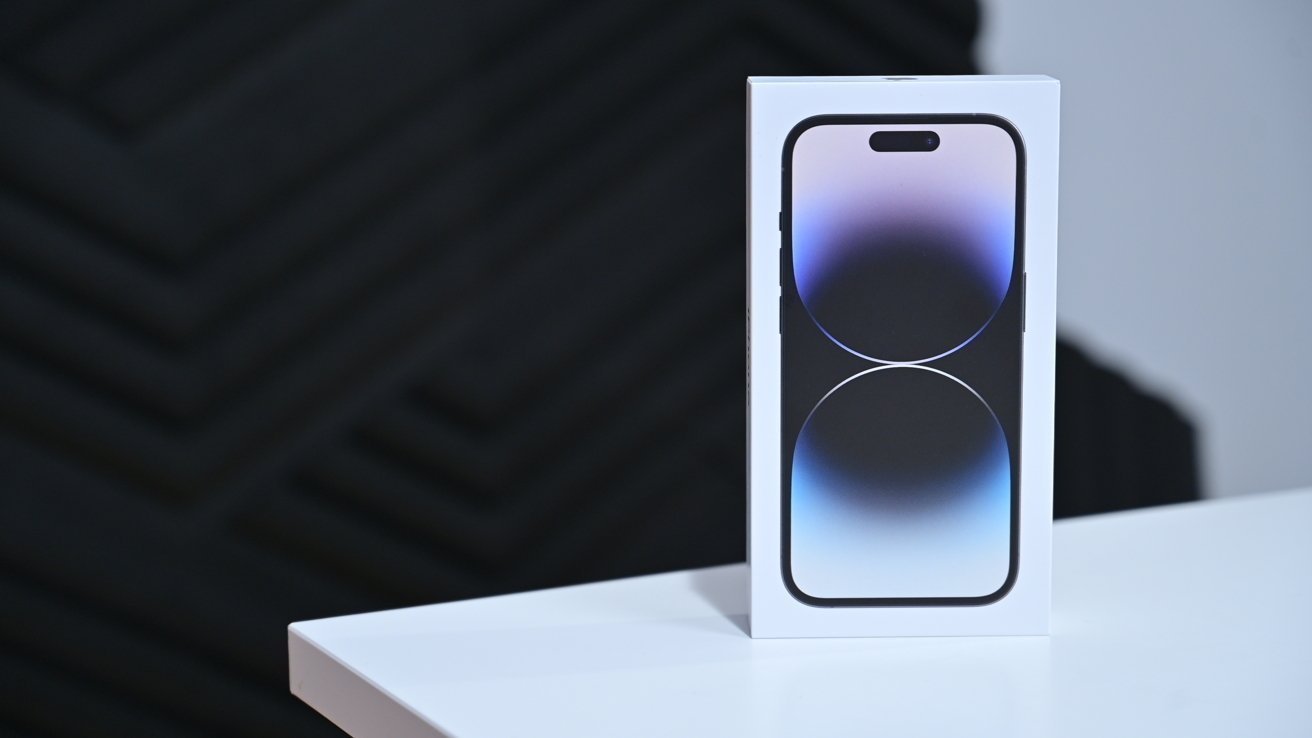
Apple goes to great lengths to ensure that its pre-release artwork doesn't leak ahead of launch. Here's why those efforts are usually successful.
Box art and marketing materials for an unannounced iPhone or iPad rarely reach the general public, thanks to Apple's strict security protocols.
The company has a comprehensive set of requirements in place for its own employees, third-party personnel, and for the areas where design work is conducted.
How design work areas are secured
Offices with confidential design and project information are to be secured via alarm codes, cipher locking devices, card keys, or, at the very least, with a standard lock and key. AppleInsider was told that door codes to restricted areas are changed regularly, so that terminated employees don't retain access.
Apple's security protocols also emphasize that a receptionist should be present to prevent unauthorized access and to secure delivery entrances. Even janitors and cleaning personnel must be kept away from Apple's confidential information and materials whenever possible.
Inside restricted areas, employees are required to maintain maximum security by ensuring that no confidential work is left on whiteboards, desks, or in meeting rooms. Project-related meetings are to be held in locked conference rooms.
Files containing Apple designs are never to be left open on a work computer, either, which would seem like common sense. All associated computers need to be password-protected as well, with encrypted volumes.
If digital files with pre-release product information need to be shared with Apple or an authorized third-party graphic design team, they are uploaded to a secure Apple server. The files themselves need ot be encrypted with 128-bit encryption.
Physical files, meanwhile, are to be kept in locked boxes, cabinets, or drawers when not in use. Additionally, Apple requires that its confidential project information never be visible from non-protected areas, meaning that all doors and windows must be secured.
This might sound familiar, because internal variants of iOS are protected in more or less the same way. For design-related projects, Apple generally doesn't allow off-site work, meaning that employees can't work from home unless given specific approval.
Areas where printing and proofing are conducted are typically protected by a security guard. We were told that employees are required to pick up all confidential prints sent to studio printers. All unnecessary documents are to be shredded or otherwise secured, and the resulting shreds are to be kept in secure bins.
Apple's security policies don't just cover the areas where design work is to be conducted, though. Security measures for personnel on design-related work are just as rigorous.
Security measures for personnel working with Apple designs
Those working on Apple's marketing and graphic design projects are required to undergo a screening to ensure they have the skills necessary for the job. Apple maintains lists of all employees working on unreleased designs and marketing materials.
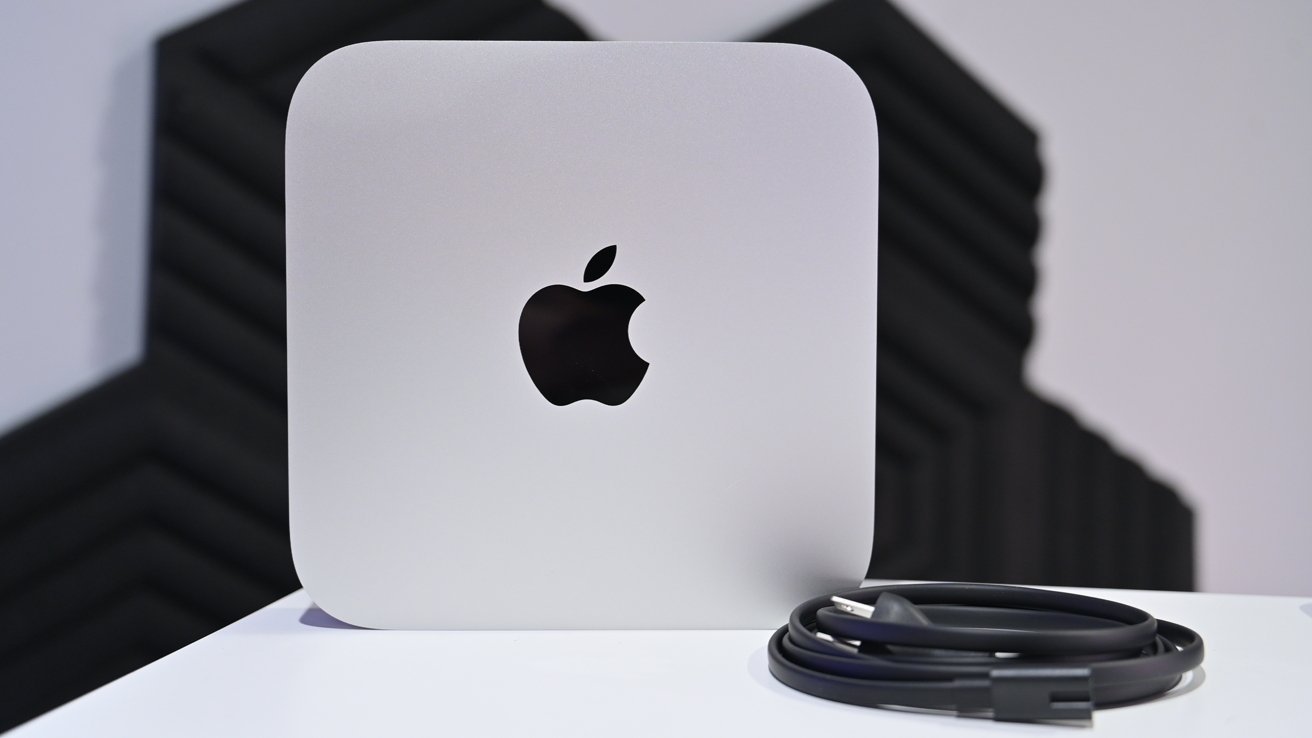
Apple supply chain partners typically rely on the Mac mini for development-related efforts.
All employees with access to unannounced Apple design projects are required to sign non-disclosure agreements and follow strict communication guidelines. Information on Apple-related projects is to be shared exclusively on a need-to-know basis, we were told.
Personnel involved in design efforts are advised not to disclose they're working on Apple projects, so as not to attract unnecessary attention. The design work is to be discussed only amongst NDA-bound team members, and never in an open area.
Conversations should not be held via speakerphone. Instead of Apple product names, communication should only include Apple-approved codenames. Apple's approach emphasizes that less is more, meaning that even among team members, information should be shared only when necessary.

View from a fourth-floor corridor at Apple Park.
Product designs, details, artwork, and similar information should never be included as email attachments. Apple emails should never be forwarded to anyone not working on the project, either.
If the password to a protected file needs to be shared with another team member, this is typically done via a phone call. If the recipient is unable to answer, then the password is sent via email, without the files themselves.
In short, employees working on design-related projects are required to follow very strict guidelines, and Apple has taken into consideration all possible attack vectors when creating its security policies. The restrictions for janitors are particularly unusual, suggesting there may have been an attempted leak by cleaning staff at one point.
The file formats and tools used for Apple hardware and UI designs
Along with box art and marketing materials, design-related work at Apple and its supply chain partners also focuses on the hardware and software of upcoming products.
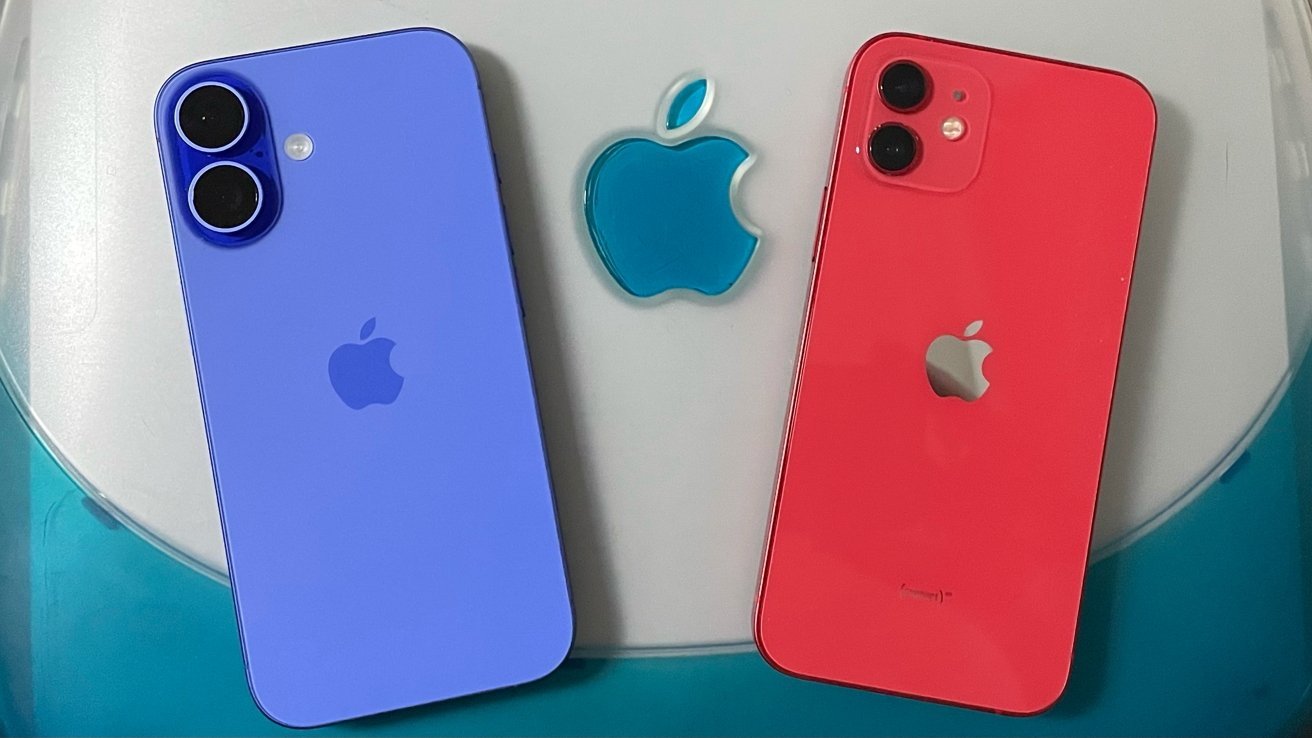
Apple relies on a variety of tools to create the final design of an iPhone.
AppleInsider spoke to people familiar with the production and design processes of Apple suppliers, who provided us with a list of the file types used during product prototyping:
- .prt (3D CAD files used with Siemens NX)
- .x_t (Parasolid, 3D CAD files)
- .dwg (2D CADs)
- .dxf (2D CADs)
- PDF schematics
- Gerber files (2D PCB layouts)
During development, each component of an Apple product is modeled as a .prt file, which is used with the Windows-only design utility known as Siemens NX.
Apple makes .prt files of every part that makes up an iPhone, iPad, or Apple Vision Pro. They contain the exact details and dimensions of every screw, bracket, spacer, and everything else in between needed for a prototype iPhone.
Parasolid files, with the file extension .x_t, are also used as part of the development process, typically for specific components and stealth cases for upcoming iPhone models.
PDF schematics, also created with Siemens NX, often contain the exact dimensions of individual components, or of an Apple product as a whole. Sometimes they can also include information on the materials used, we were told.
Gerber files are used during development as well. They essentially contain the layouts of printed circuit boards in 2D. Other 2D filetypes used include DWG and DXF.
On the software side, operating system animations are created with a proprietary Apple tool, known as Mica. It's available as part of internal macOS distributions, while select internal variants of iOS and watchOS contain a dedicated Mica viewer, used to play animations made with the app.
Are Apple's security measures truly effective?
While CADs of upcoming Apple products leak practically every year, often from case manufacturers, the same isn't true for Apple's artwork. That doesn't mean Apple designs and marketing images haven't leaked at all, though.
In 2018, for instance, Apple inadvertently leaked artwork of the then-unannounced iPhone XS. More recently, the company accidentally revealed the MacBook Neo name ahead of the product's official launch.
Third-party employees who work with Apple designs have also, on occasion, disregarded Apple's security protocols, AppleInsider was told. Still, this hasn't resulted in any significant artwork or design leaks.
Overall, Apple's rigorous security standards and leak prevention measures are effective. They make it difficult for pre-release designs to reach the general public.