Intel and Apple chip-producing agreement has reportedly started with a test run of select older chipsets made on Intel's newest process, launching a testing roadmap extending well into 2029.
The relationship between Apple and Intel goes back over 40 years. It seemed to have ended with the advent of Apple Silicon, but the political climate may have tilted things back into Intel's favor.
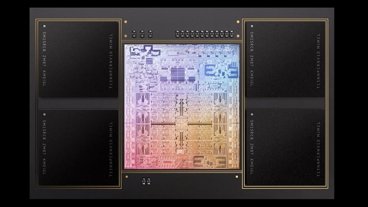
According to a report from supply chain analyst and leaker Ming-Chi Kuo, Intel has begun the testing process for building Apple chips on its 18A-P process. This is seemingly the equivalent process used by TSMC for modern Apple chipsets like the A18 Pro.
It will take some time for Intel to ramp up to full production. Kuo suggests that 2026 is the testing ramp with 2027 as the target for full production and shipment.
However, Intel's output will only be at 50% to 60% in 2027. It will continue to ramp through 2028 where it will hit peak production and slow output through 2029.
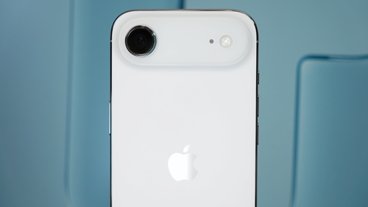
That lifecycle fits Apple's needs for its older processors. It will need chips like the A18 Pro for some time for low-end iPhones and Macs. The chip seems likely for an upgraded Apple TV set top box too.
Kuo says that roughly 80% of the order is for iPhone chips.
TSMC is still the chipset leader
Of course, all of this barely makes a dent in Apple's overall chip needs. TSMC is still expected to supply over 90% of Apple's processors, and that won't change anytime soon.
There is some pressure to diversify from TSMC as 60% of its production takes place in Taiwan. Even as I type this, US President Trump is in talks with Chinese leader Xi Jinping regarding how the US views Taiwan.
Things don't seem to be going Taiwan's way.
Apple is under additional political pressure from forces in its home country. The US expects Apple and others to bring more manufacturing and assembly back stateside. The deal with Intel might satisfy the Trump administration, and it may not.
To complicate things further, the Trump administration took out a 10% stake to help keep Intel afloat when it appeared ready to dissolve. Since then, Trump and the Intel CEO have been going door to door asking American companies to invest directly in Intel.
For Apple, the choice is easy and clear. It won't hurt to have some small percentage of older chips made by Intel in the US.
The move is an obvious political win that checks all of the boxes at once. Intel is a US company backed by the Trump administration, and Apple is placing orders with them.
Moves like these have kept Apple out of hot water with the controversial administration so far. If it wants to keep up business as usual, similar actions will have to be taken on a regular basis.