An internal clash between Eddy Cue and Craig Federighi about Apple Intelligence captures the company's dilemma over whether to spend big or stick to its culture of caution.
Apple is weighing acquisitions of Mistral and Perplexity as pressure mounts on its $20 billion Google search deal. Both startups offer Apple a possible lifeline as rivals pour billions into artificial intelligence.
Services chief Eddy Cue has argued that Apple must act quickly by buying Perplexity or Mistral. Federighi has resisted, convinced Apple's engineers can build what's needed internally.
Their disagreement highlights a deeper conflict within Apple regarding its strategic direction. For decades, Apple has maintained a cautious approach, avoiding large takeovers and opting for smaller acquisitions that integrate into existing teams.
The acquisitions of Beats in 2014 and Intel's modem unit in 2019 are notable exceptions as billion-dollar deals. That discipline spared Apple expensive failures, but it may not fit the moment.
Competitors are buying aggressively, and regulators may soon unravel Apple's most lucrative partnership.
Why now
A federal judge is expected to rule on whether Google can keep paying Apple to remain the default iPhone search engine. Losing that deal would blow a hole in Apple's services revenue.
Perplexity, backed by Nvidia and Jeff Bezos, is seen as a provocative option that could give Apple an instant search replacement. Mistral, valued above $6 billion and seeking $10 billion, brings expertise in model building that could reinforce Apple's own stack.
For Apple, either price is trivial, TheInformation speculates. The real question is whether leadership sees enough value to justify the friction of another integration.
Cue is pressing hardest for a bold move. He once pushed Cook to buy Beats when Spotify surged, and now argues Mistral or Perplexity could help Apple catch up in generative AI.
Software chief Craig Federighi disagrees. He has long argued Apple can build what it needs, as he did when resisting the Turi acquisition in 2016. The split reflects a deeper divide between executives who value speed and those who fear outside influence.
Competitors show no hesitation
Meta spent $14.8 billion for nearly half of Scale AI, putting its founder Alexandr Wang in charge of a new superintelligence division. Google licensed Windsurf's coding technology for $2.4 billion, pulling its top engineers into DeepMind.
These moves reveal how aggressively competitors are locking down talent. Apple, with $133 billion in cash, could easily compete but has chosen not to.
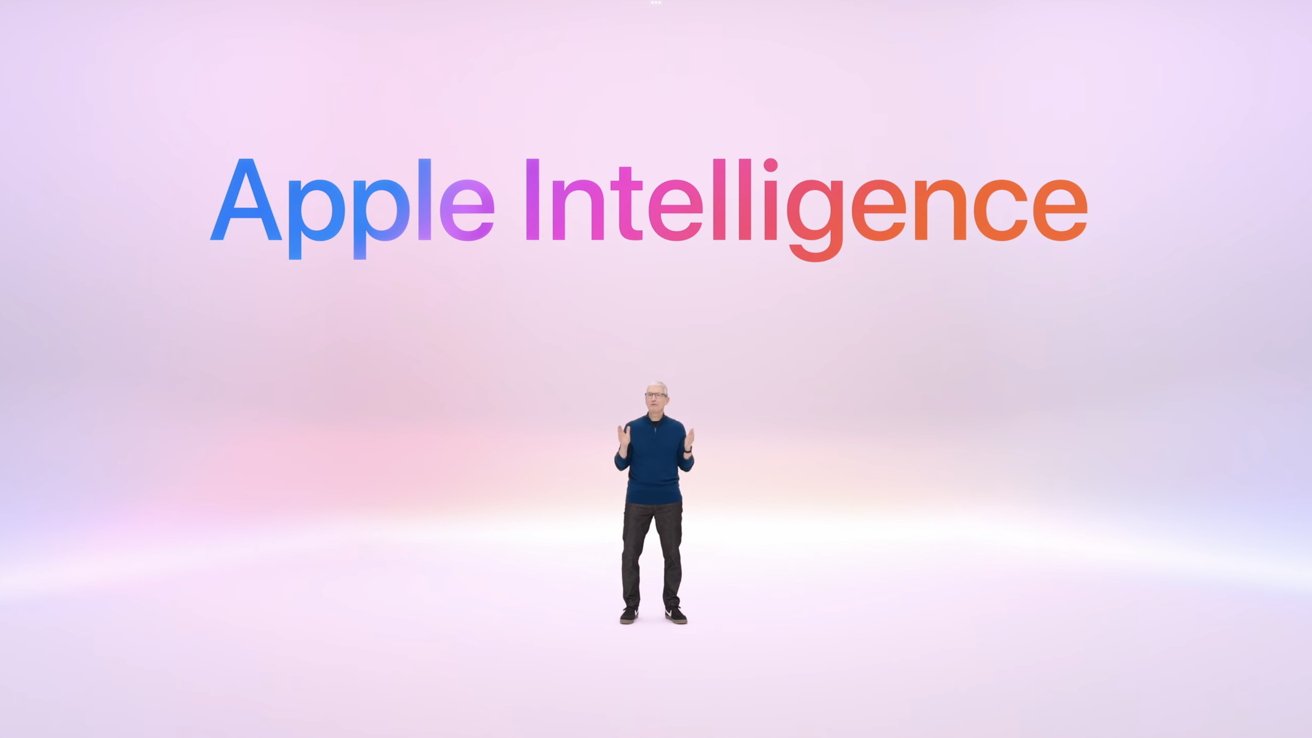
Spending billions might fix immediate gaps, but Apple's culture has a way of smothering outside ideas.
Apple's reluctance is rooted in experience. Laserlike, an AI search startup Apple bought in 2018, walked out within four years after the company refused to fund large training runs.
Siri, acquired in 2010, lost momentum after Steve Jobs' death and has never recovered. Founders often leave frustrated, convinced Apple squandered their work.
That history makes executives wary of repeating mistakes. Spending billions might fix immediate gaps, but Apple's culture has a way of smothering outside ideas.
Apple's next move
Tim Cook told investors in July 2025 that Apple is "open to acquisitions of all sizes" if they accelerate the roadmap. The remark sounded bold, but Apple has said similar things before without acting.
The real trigger may be the courts. If Google's payments survive, Apple can keep buying small firms and folding them quietly inside. If they vanish, the company may have to think bigger.