Apple's annual iPhone event is being held on September 9, 2025. Here's what you can expect to be announced during the "Awe Dropping" event.
Every fall, Apple takes the time to launch a wide range of new products aimed at consumers shopping for the holiday season. As one of the company's most profitable times of the year, Apple puts a ton of effort into its fall events.
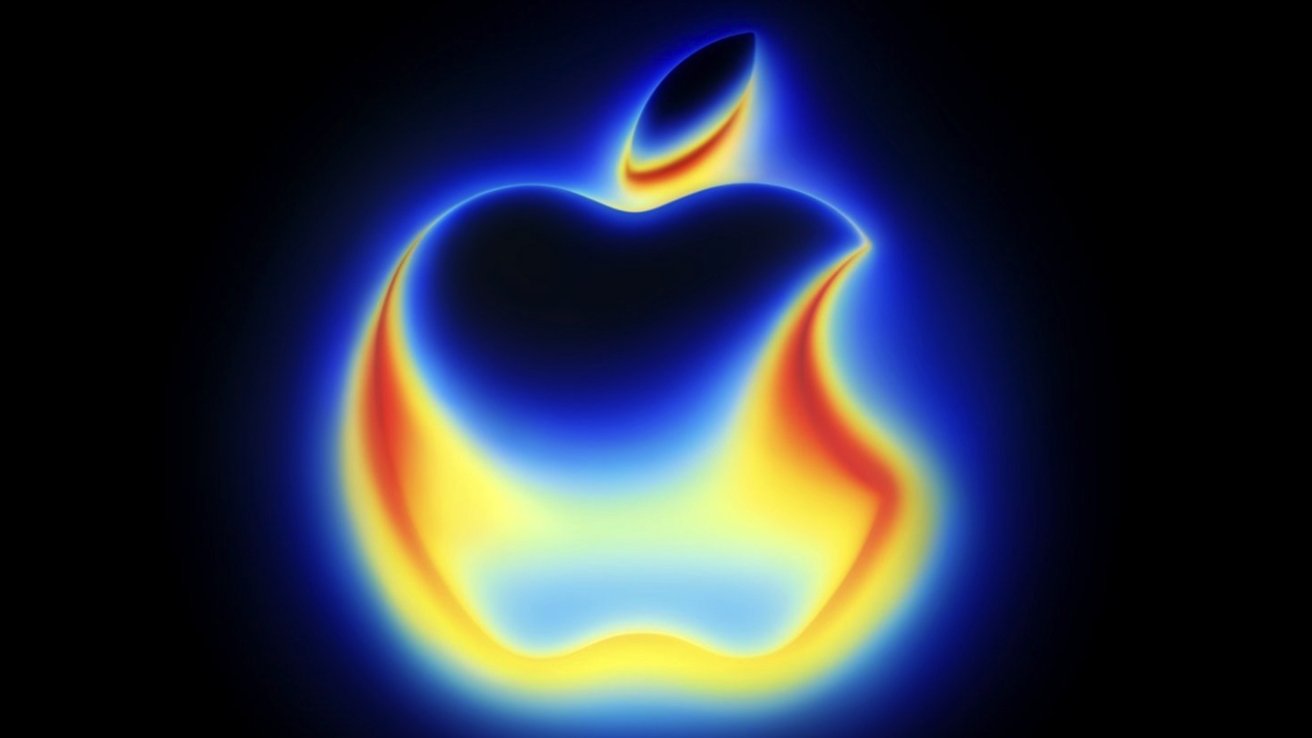
Invitations were sent out to the press, announcing the event, on August 26. The tagline is "Awe dropping," with a Liquid Glass-style Apple logo at the top.
As usual, Apple CEO Tim Cook got in on the action, posting to X an animated version of the logo, confirming the September 9 date, and using the #AppleEvent hashtag.
Get ready for an awe dropping #AppleEvent on Tuesday, September 9! pic.twitter.com/uAcYp2RLMM
— Tim Cook (@tim_cook) August 26, 2025
We anticipate that while the event may have an in-person component, Apple will stick to its pre-recorded events. This gives Apple a lot more control over what Apple fans see, and allows for the company to go all-out, as well as include jokes, bits, and special effects.
As far as devices go, we're anticipating seeing a fair amount this year. Of course, we'll see the iPhone 17 lineup, but we think there's a high possibility that we'll also see the Apple Watch Series 11, and even a new Apple TV 4K.
iPhone 17 lineup
To no one's surprise, Apple is expected to launch four new iPhone 17 models this September. We'll definitely see the iPhone 17, as well as both pro-level iPhones, the iPhone 17 Pro and iPhone 17 Pro Max.
But it seems like 2025 may be the year that Apple finally puts the iPhone Plus on the chopping block. It's probable that Apple will swap it for the iPhone Air, a thinner mid-sized option rumored to measure 6.6 inches.
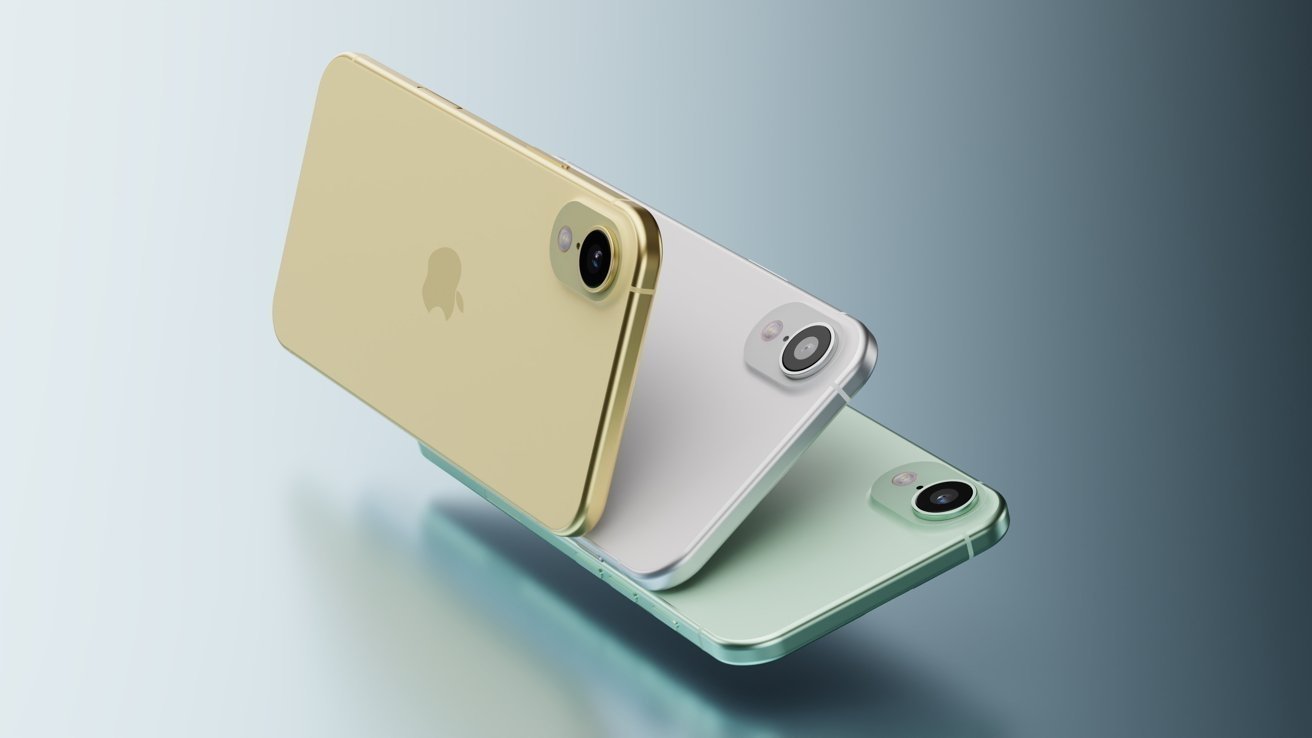
A render of what the iPhone 17 Air could look like
While it may seem a bit silly to speculate on the colors, many of our more credible leaks are often centered around just that.
The iPhone 17 — and probably the iPhone Air — will surely include black and white options. Current consensus suggests that other colors will include a gray, pastel green, pastel purple, and a pastel blue.
The iPhone 17 Pro lineup will likely continue the trend of offering more "professional" colors. This year, we expect to see black, white, gray/titanium, deep blue, and burnt orange.
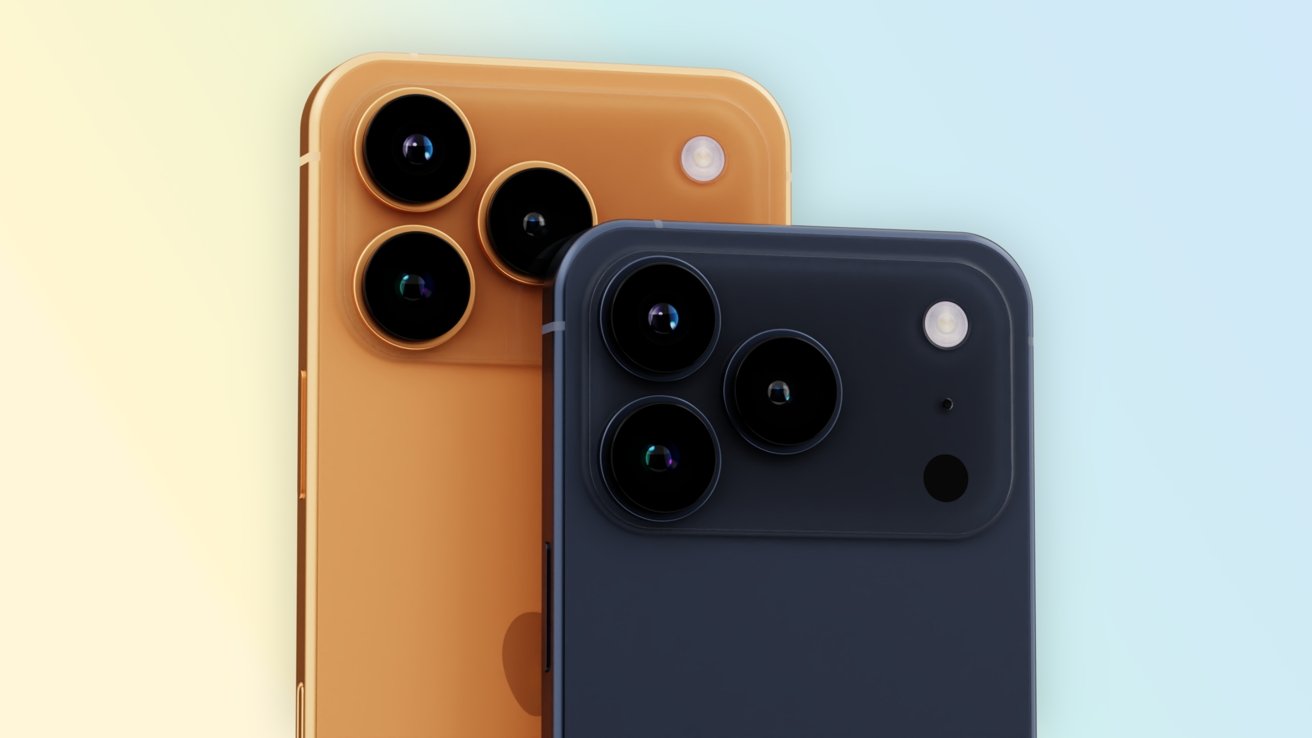
iPhone 17 Pro - Image Credit: AppleInsider
The entire lineup could debut a new rear case design with a camera bar replacing the traditional bump. This would presumably allow for thinner devices without reducing camera performance.
The Pro models are expected to see significant camera upgrades, including a 24MP front camera and adjustable apertures on rear lenses. The iPhone 17 Air may feature a single rear 48-megapixel camera to accommodate its slimmer body, a design that the company tested in the iPhone 16e.
Many of our more reliable renders and leaks point to the Pro Max keeping its triangular camera arrangement within the wider bar design.
One rumor suggests that the iPhone 17 lineup will see a new, more scratch-resistant and anti-reflective glass used for the display. While it was initially thought that Apple had scrapped the plan due to cost and time constraints, it now seems somewhat more likely that at least some of the lineup will, indeed, get its improved glass.
Under the hood, Apple is expected to introduce the A19 chip, with a Pro variant reserved for the higher-tier models. The A19 chip could be the first to be built on TSMC's new 2-nanometer process for improved efficiency and thermals.
Memory may be getting a significant boost, too — at least for the higher-end models. The iPhone 17 Pro and the iPhone 17 Pro Max may see RAM bumped to 12GB, up from the 8GB present in the iPhone 16 lineup.
Apple may also introduce a new resin-coated copper motherboard design. This laminate material could make devices slightly lighter and cheaper to produce.
It's hard to make an educated guess on what the iPhone 17 will cost due to the ongoing trade war with China and current U.S. tariff policy. Estimates previously suggested the iPhone 17 Pro could exceed $2,000 depending on the tariffs put in place.
Apple Watch 11
We're anticipating that we'll see the introduction of Apple's newest wearable, the Apple Watch Series 11. Based on current rumors, this design seems to be mostly a spec bump, rather than a huge overhaul of the current design.
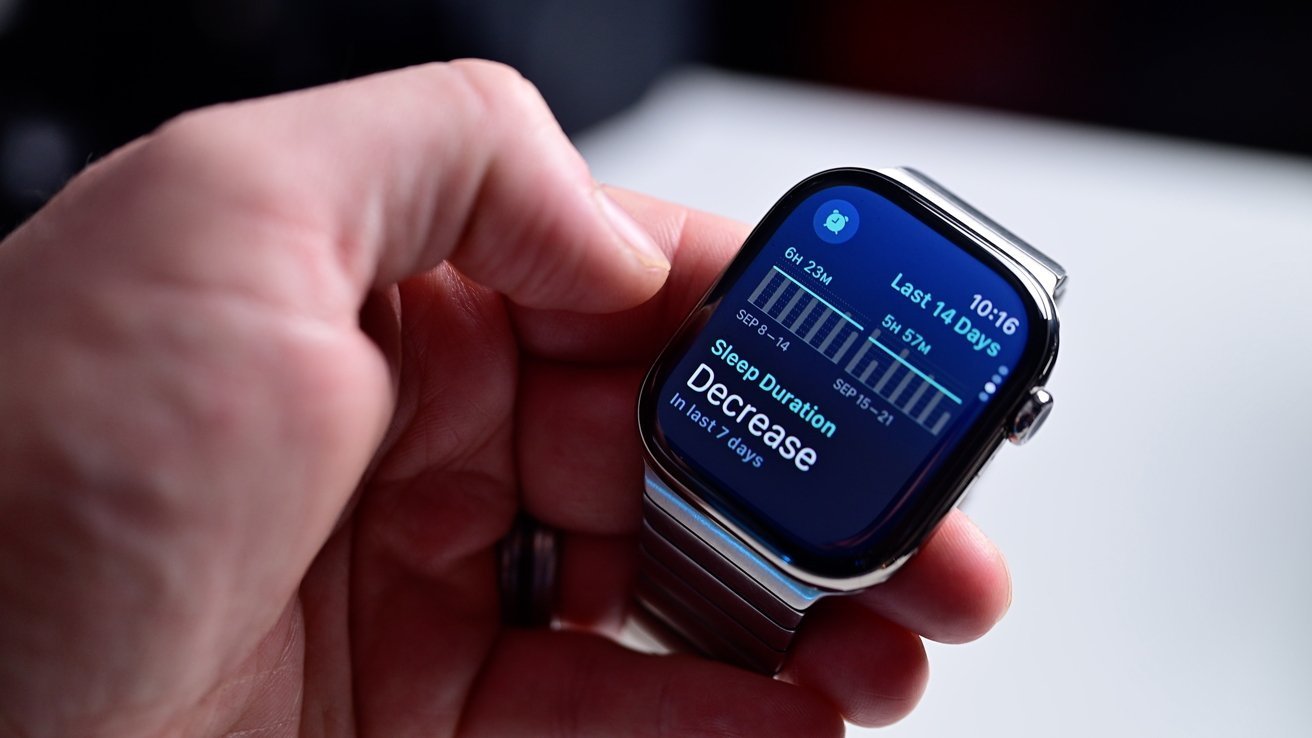
The Apple Watch Series 11 could look a lot like the Series 10
The general consensus is that, yes, microLED is going to come to the Apple Watch lineup. Unfortunately, no one is clear on when these features will show up.
Some rumors have suggested that it could make an appearance in the Apple Watch 11. It's equally possible Apple may wait to debut it in the next Apple Watch Ultra 3 — or wait until 2026.
It's unlikely that the Apple Watch 11 will have blood oxygen detection, though it will likely have the hardware in place. Currently, the FTC requires Apple to deactivate the sensor on all newly sold devices due to a patent infringement case.
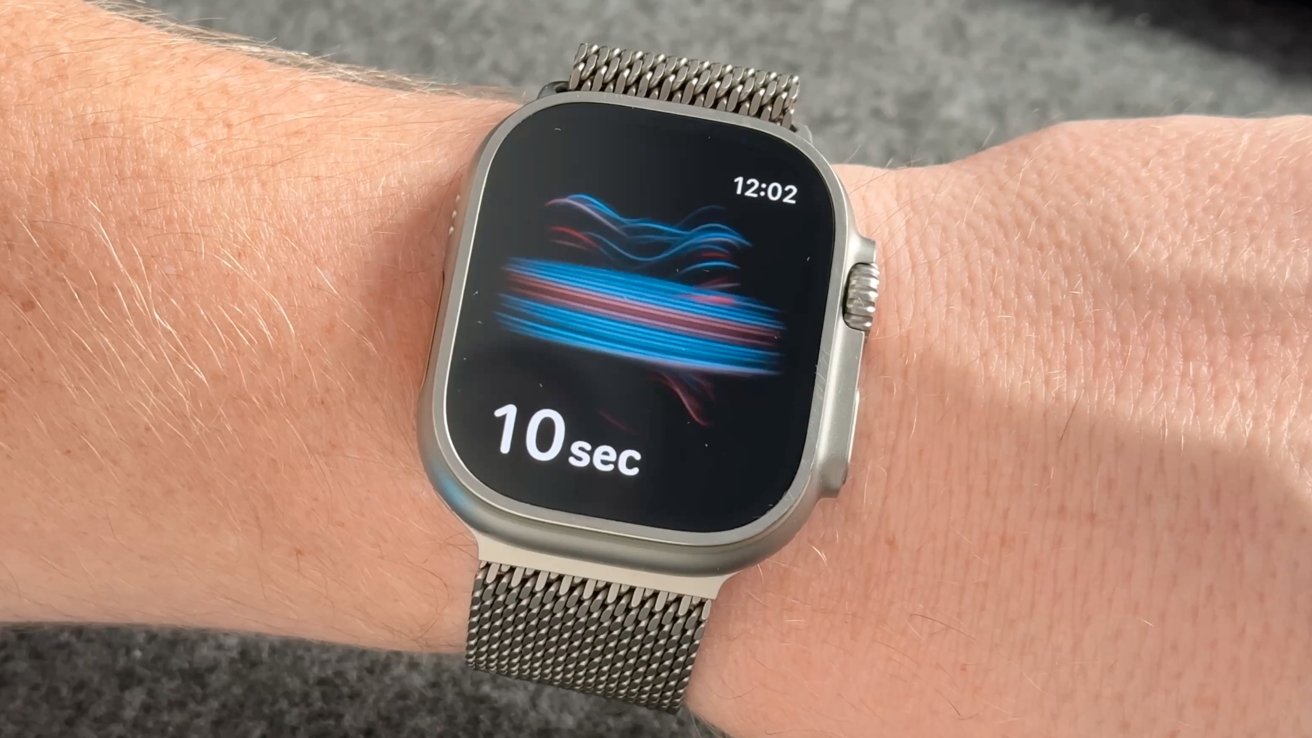
Don't expect blood oxygen to return anytime soon
The Apple Watch Series 11 could, however, start tracking blood pressure. The readings wouldn't be diagnostic, but rather added into the vitals and trends portion of Apple Health.
It is very unlikely that the Apple Watch Series 11 will feature blood-glucose tracking. Apple is, however, rumored to be working on the tech for that feature.
We also don't anticipate that the Apple Watch will see any on-device Apple Intelligence features. Because of current hardware limitations, it's unlikely that Apple would be able to add the features to its wearable.
Again, it's difficult to speculate on the pricing for any of Apple's 2025 products. Apple may release the Apple Watch 11 at its usual starting price — $399; unfortunately, it's equally possible that Apple may need to increase the price to offset import costs due to tariffs.
Apple Watch Ultra 3
Apple may finally introduce the Apple Watch Ultra 3 in September, giving the "pro" users of Apple Watch something to look forward to. However, there's probably not going to be much design-wise — it'll probably be nearly identical to its predecessor.
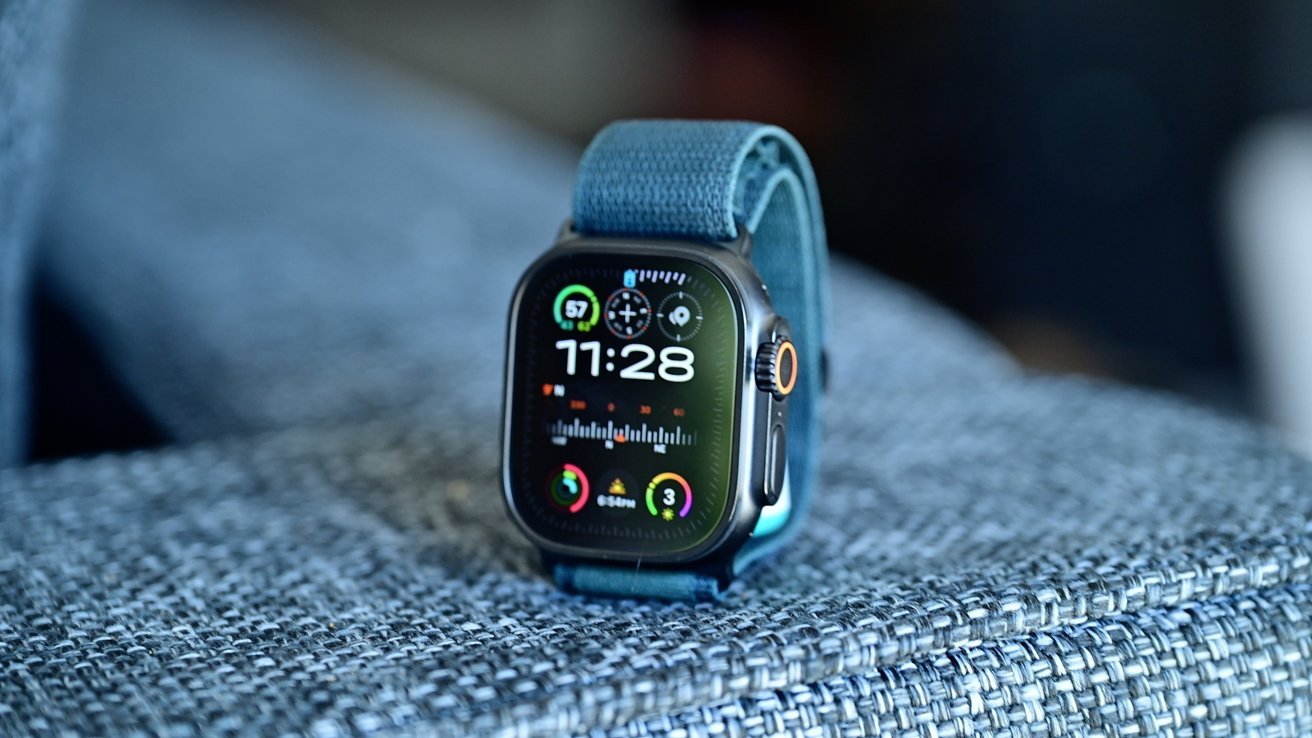
Apple Watch Ultra 2
It's essentially guaranteed that Apple will bring a newer, more powerful chip to the Apple Watch Ultra 3. It should confer some significant improvements to both power efficiency and performance.
The Apple Watch Ultra 3 could be the first of Apple's wearables to feature satellite connectivity. It would likely need to make use of Apple's newly launched C1 modem if that were the case.
Similar to the rumors surrounding the Apple Watch 11, we're not sure what new health tracking features may appear. Blood oxygen monitoring will still be disabled, and blood glucose monitoring is unlikely to be ready.
If anything, there's a chance it may see blood pressure monitoring. Again, it wouldn't be diagnostic, but rather a reading that would be factored into Apple Health trends.
Like the Apple Watch Series 11, we don't expect the Apple Watch Ultra 3 to get on-device Apple Intelligence features. It would likely need at least 8GB of RAM, and current Apple Watch models only feature 1GB.
It is possible, however, that the Apple Watch lineup could get Apple Intelligence features through its paired Apple Intelligence-compatible iPhone. That would allow the Apple Watch to provide basic AI features like notification summaries and Genmoji.
In any other year, the Apple Watch Ultra would likely debut at $799. However, it's possible we may see a price increase in 2025.
Apple TV 4K (4th Gen)
While we initially hoped to see the fourth-generation Apple TV 4K earlier in the year, it now seems likely that it may be released alongside the iPhone 17.
As far as the design goes, there's probably not going to be a massive redesign. Instead, it'll take a page out of the Mac mini's playbook, and keep the same overall form, but opt for a smaller size.
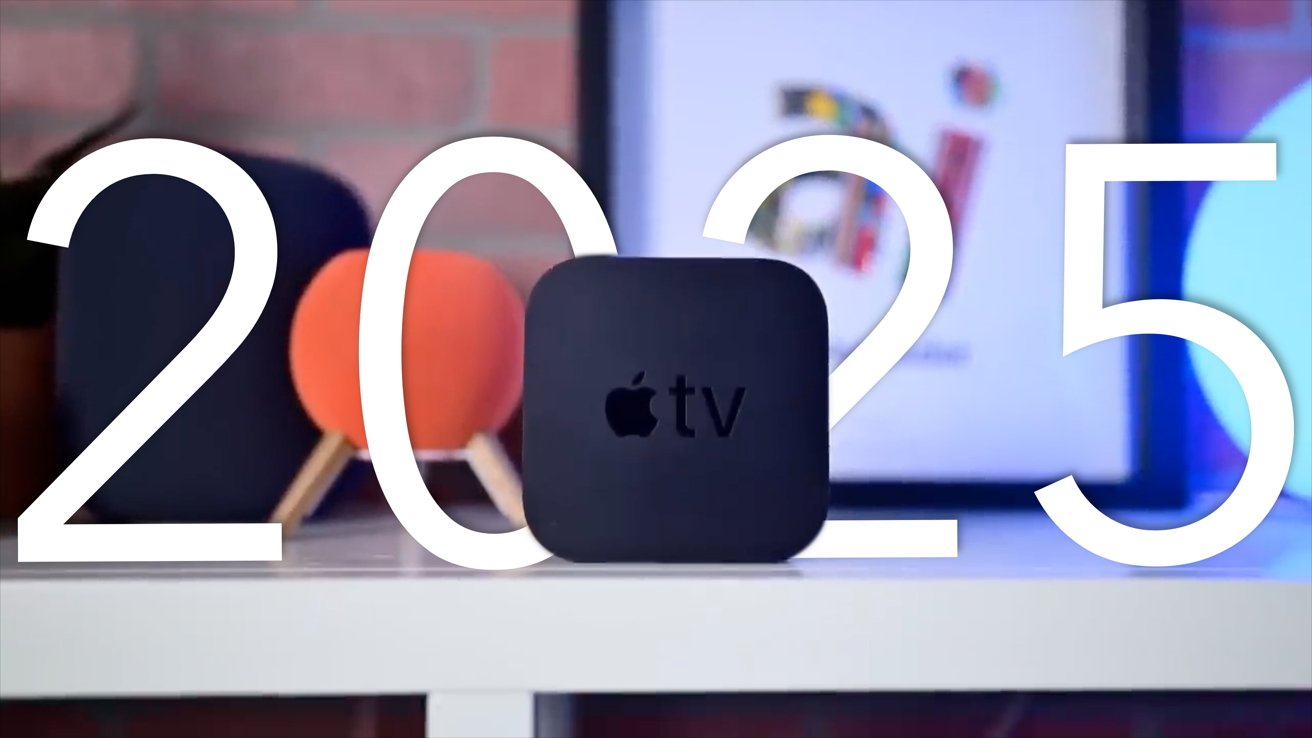
A new Apple TV 4K is coming
It's anyone's guess which chip Apple is going to stick in its set-top box. Current rumors, while scarce, suggest that Apple is looking to use the A17 Pro, A18, or A18 Pro chip.
Truthfully, it could be any of these. It's even possible that Apple could include the A19 chip, which would offer a significant upgrade and some much-appreciated future-proofing.
There's a good chance that Apple may double the onboard memory from 4GB to 8GB. In doing so, Apple would be able to include on-device Apple Intelligence features.
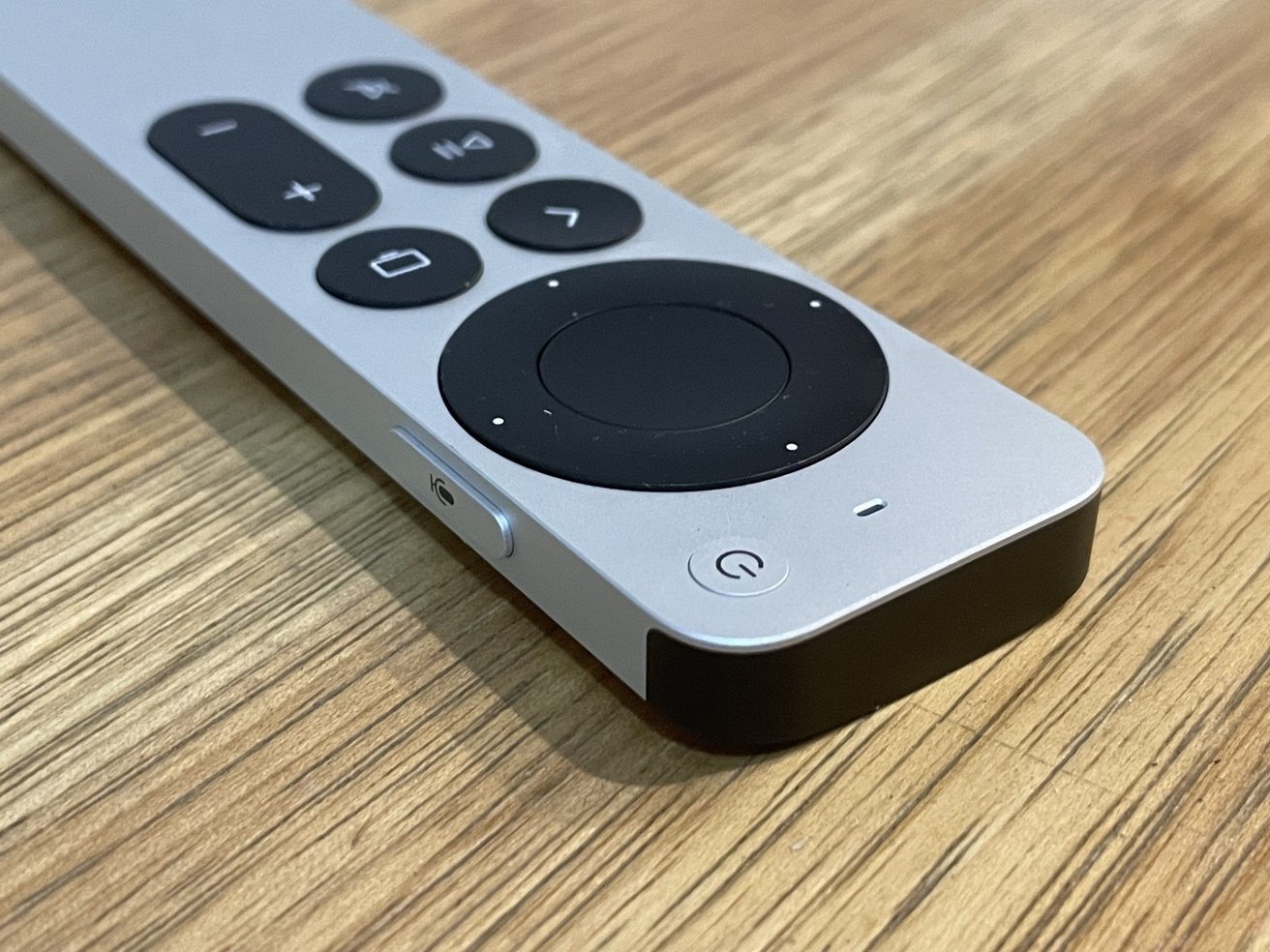
The second-generation Siri remote
This would allow Apple to integrate improved Siri functions, making for a more personalized, contextualized experience. Additionally, it would likely make for better on-device-powered recommendations.
Some supply chain analysts have posited that the Apple TV 4K will feature Apple's yet-unreleased Proxima chip. The Proxima chip is designed to replace Broadcom components in the same way that Apple Silicon replaced Intel components in Macs.
Apple is expected to test out the Proxima chip in either the Apple TV or the HomePod mini. Rumors suggest that the upcoming fourth-generation Apple TV 4K may support Wi-Fi 6E, or even Wi-Fi 7.
Some rumors have suggested that Apple may include an integrated camera in the Apple TV 4K, which would allow for FaceTime calls without needing an iPhone or iPad. While it's possible, we've heard this rumor time and time again, and don't think it's coming.
No new Macs in September
For those who were hoping to snag a new Mac, this probably won't be the time to do so. Because both the iPhone and the Mac have become behemoths in their own right, it makes much more sense to dedicate separate events to each.
For mainline iPhone releases, Apple typically sets its release dates in September. It has been done reliably since the launch of the iPhone 5; however, in 2020, the iPhone event was moved to October due to the global pandemic.
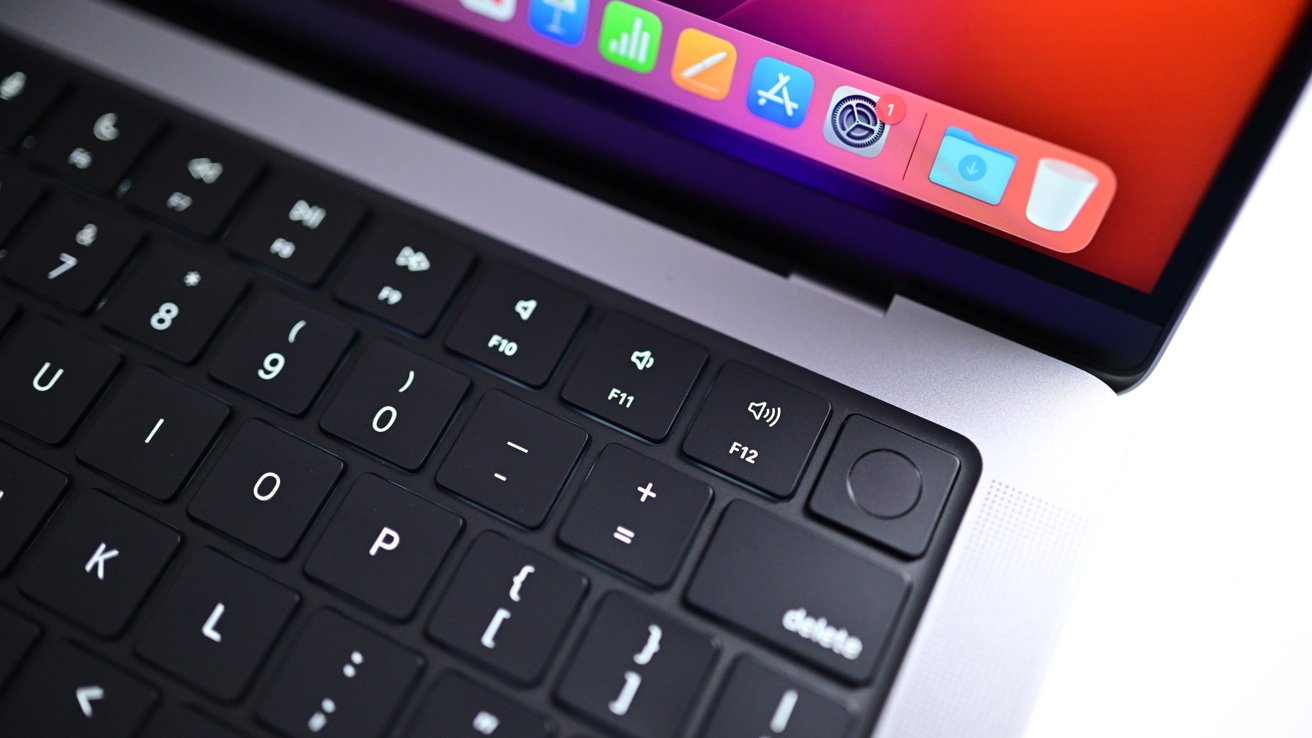
14-inch M3 MacBook Pro
Apple's Mac-centric events are a little less predictable, but still follow a fairly regular pattern these days. Typically, Apple announces new Macs in either the spring, usually in February or March, or in late fall, typically in October or November.
We suspect that it will continue the trend. This means that we'll probably see the introduction of new MacBooks — likely a new M5 MacBook lineup — in October at the earliest.