For the first time, it is now possible to hand over $2,000 to Apple to get an iPhone — specifically the 2TB iPhone 17 Pro Max. But, look up ahead, it's just a sign on the road to the iPhone Fold.
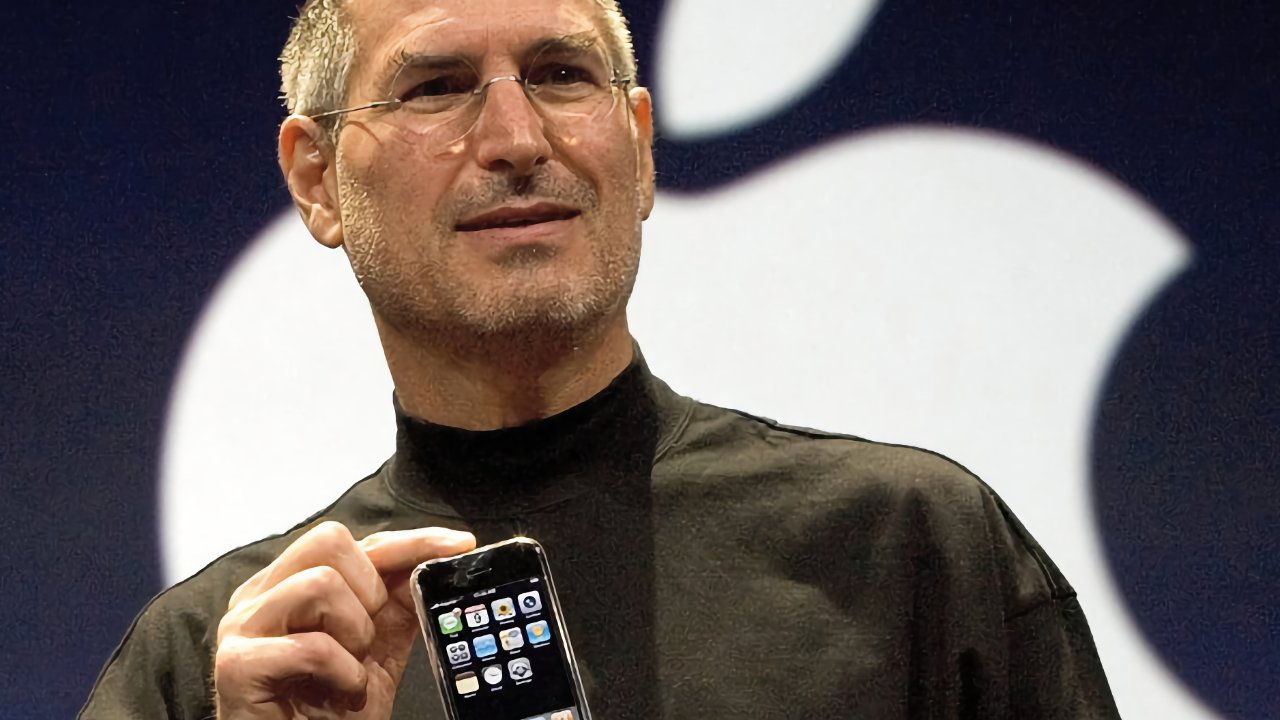
When Steve Jobs unveiled the very first iPhone, we baulked at its price. Microsoft's Steve Ballmer ridiculed the cost. And even Apple actually reduced the price, if briefly, and certainly for the only time in its history.
That original iPhone cost $499 before taxes. Now you can, if you have the need and the nerve, pay Apple $2,000 and get an iPhone 17 Pro Max with 2TB of storage.
The thing is, people will do it. Professional filmmakers who've juggled hot-swapping external drives will see that 2TB as a godsend, at least unless they try AirDropping that amount.
Apple has made it so that, under the right circumstances, and for the right people, this $2,000 is not only possible, it could even be considered good value. It's just that the number of people who'd have reason to see it that way is vanishingly small.
Then look at you. No question, you have to think that two thousand bucks for a phone is a lot of money, but you also aren't surprised.
You know how much Apple charges for storage, for one thing. But for another, Apple has successfully trained us, it has normalized ever more expensive phones.
And perhaps the start of this was not the original iPhone's half a grand. It was the 2017 iPhone X which was the first-ever iPhone to cost more than $1,000.
That iPhone X was an experiment for Apple in so many ways like whether buyers would accept the loss of the home button. But it was also a market test, one where Apple would find out whether a thousand dollars was achievable.
And we bought it, in every sense.
Eight years later, there have been 16 iPhones that cost over a grand — or at least $999 before taxes. Plus with the iPhone Air now a thousand dollars, we've crossed another milestone for iPhones released in September.
For years, it's been that the Pro models cost a grand or more, but the base iPhone and the fourth model did not. Whether that fourth model was a mini or a large-screen Plus, it stayed on the right side of the $1,000 mark.
Half of the lineup was under a thousand, half of it was over. There was also the iPhone SE and there is now the iPhone 16e, for the main September launch, there were two cheaper than a grand, and two more expensive.
Now only the base iPhone 17 remains under that price. It's taken years, and it takes ignoring the outlier iPhone 16e, but at that "Awe Dropping" event, Apple moved the price line up.
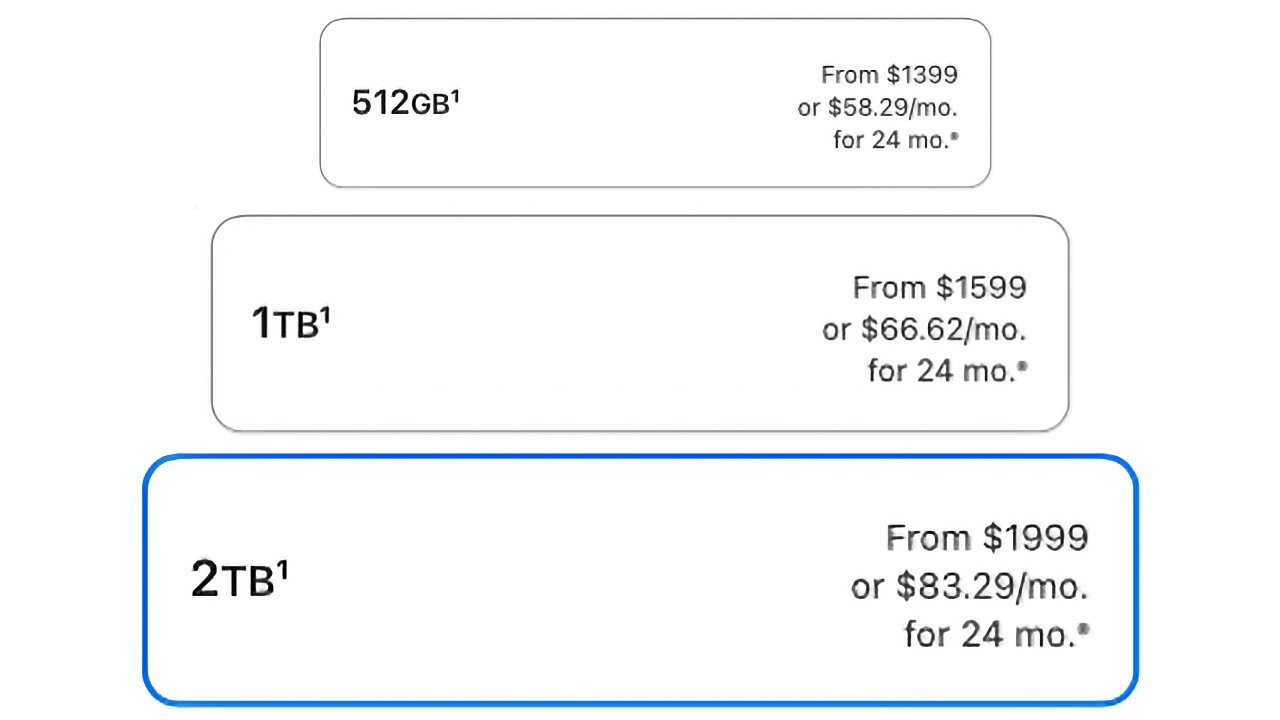
Apple's storage prices bring tiers to your eyes
It will do so again, too. While iPhone 17 prices did not rise as much as had sometimes been predicted, they rose and Apple will increase them — starting in 2026.
That's then the long-awaited iPhone Fold is now believed to be released. This may have become a case of believing it when you see it, but whenever it comes, the iPhone Fold is expected to start at $2,000.
You do have to wonder how much an iPhone Fold with 2TB storage, or even 3TB, would cost. But you can bet Apple does not have to wonder — that configuration is already on a spreadsheet somewhere in Apple Park.