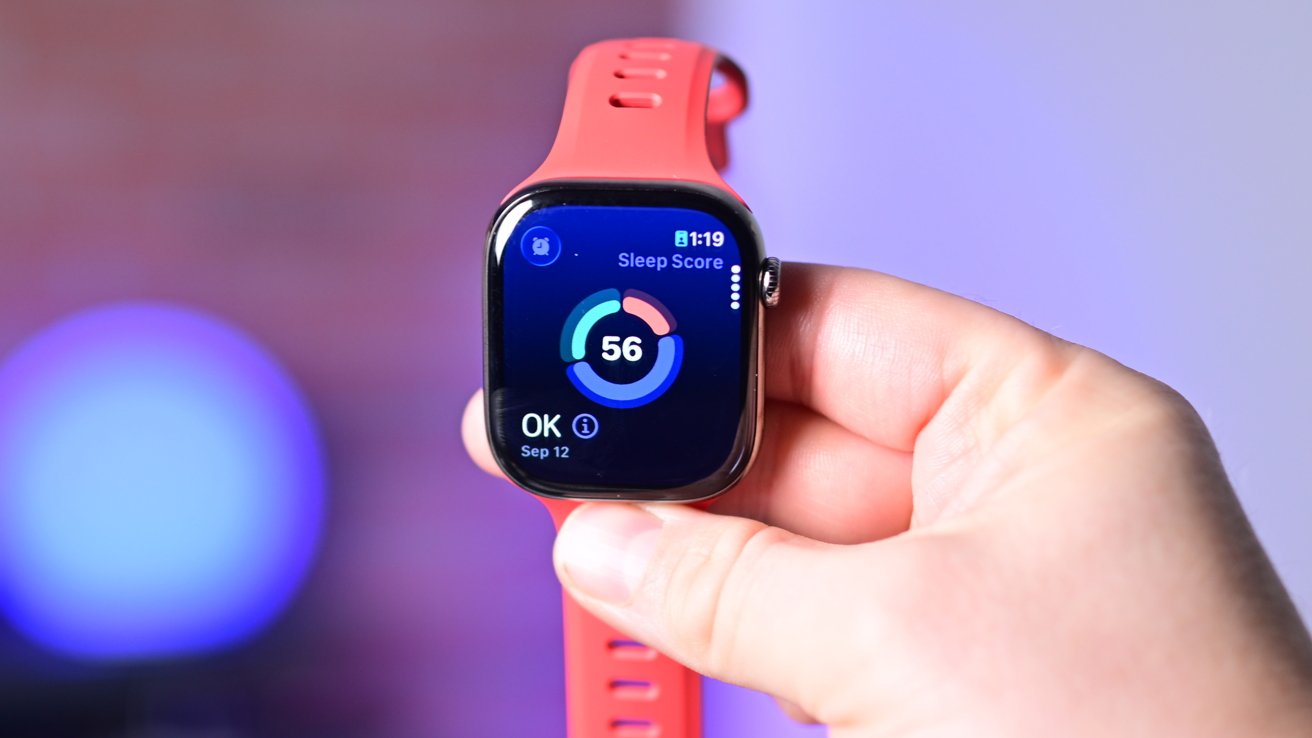
Unveiled at the "Awe Dropping" event, Sleep Score isn't an Apple Watch Series 11 exclusive. Here's a look at how it works and how to try it yourself.
Apple has been taking sleep tracking more seriously in recent years. It seemed to start more in earnest after it acquired Beddit, a product it eventually sunsetted.
Sleep tracking is now handled entirely through the Apple Watch and the Sleep app. It monitors the time you spend in bed, tracks your sleep stages, and presents the information in multiple visual formats.
Sleep Score builds on that. The feature available as part of watchOS 26 and iOS 26, so I tried it out.
What is your Sleep Score?
In the simplest terms, your Sleep Score is a numeric representation of how well you slept each night. The closer you are to your goals, the higher the Sleep Score.
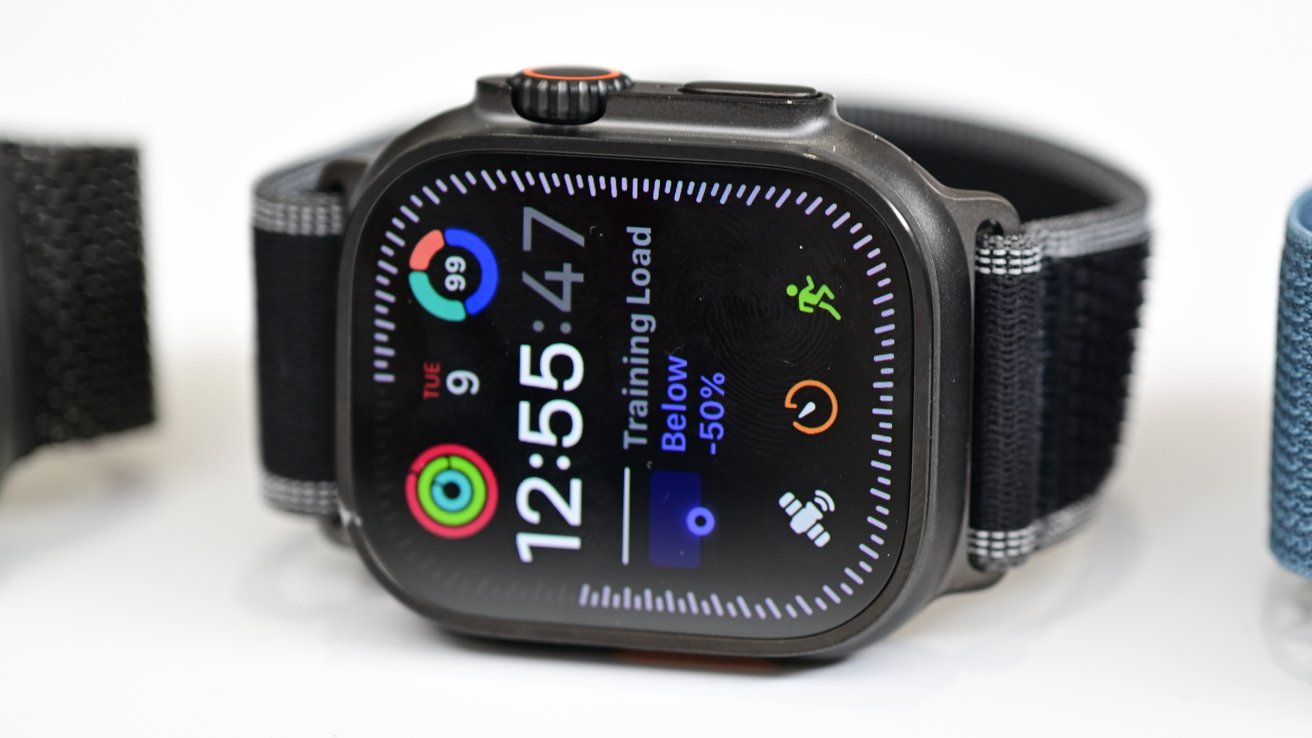
The new Apple Watch Ultra 3 is just one of three new Apple Watch models
After you update your Apple Watch to watchOS 26 and your iPhone to iOS 26 — in this case, the release candidates ahead of the full release on September 15 — you will see the Sleep Score when you open the Sleep app.
At least one night of data is required, so your first Sleep Score won't appear until the following day. On my initial night, I scored a solid 84— likely higher than my usual average.
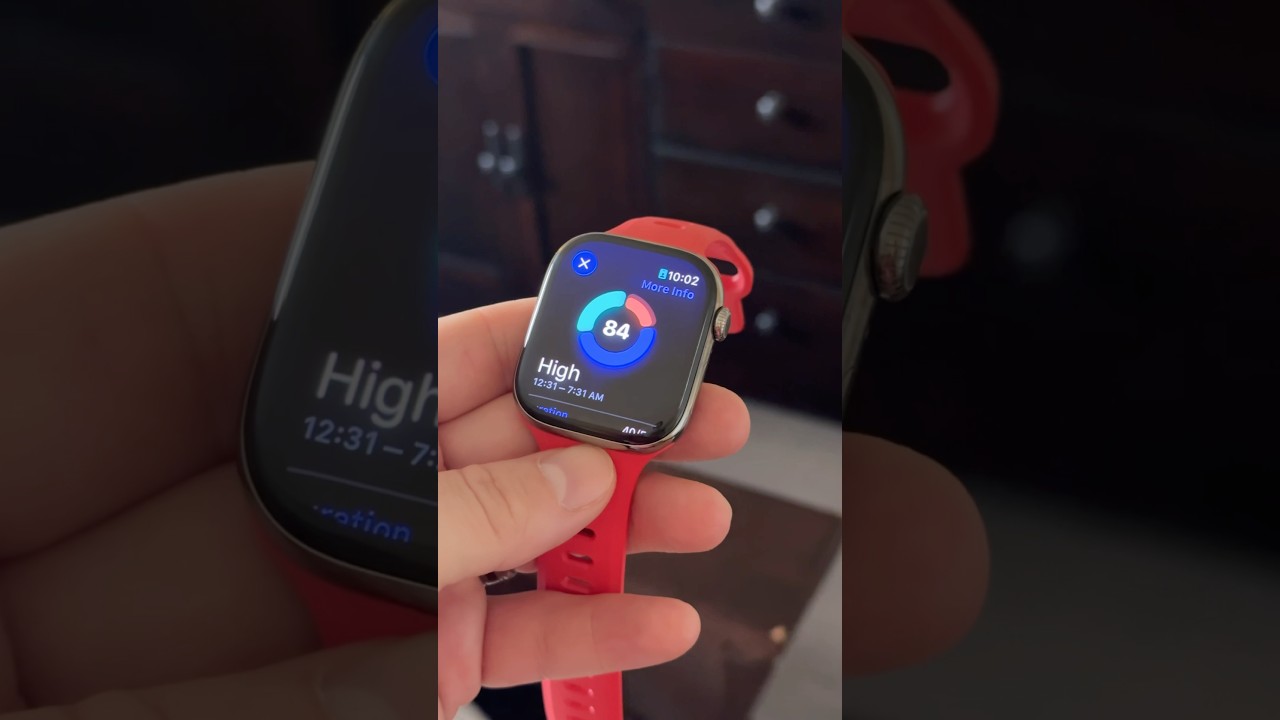
My Sleep Score was also rated as "high," meaning I should feel fairly rested after that sleep. I hit one of my three goals, which is represented by the donut chart at the top of the app.
When you tap on the i button, it shows you a more granular breakdown of the score. I was 40/50 points for my sleep duration, 30/30 for my bedtime, and 14/20 for my interruptions.
This same data is also shown on my iPhone inside the Health app. If you go to your sleep data, you'll see your Sleep Score shown.
How Sleep Score works
Digging deeper, Sleep Score is very personalized to you. It compares each night's data with the historic data it has collected from you to give you a score that is representative of you.
Apple says it worked in partnership with the American Academy of Sleep Medicine, the National Sleep Foundation, and the World Sleep Society in developing this feature. It also relied on 5 million nights of sleep data that it had garnered as part of the Apple Heart and Movement Study.
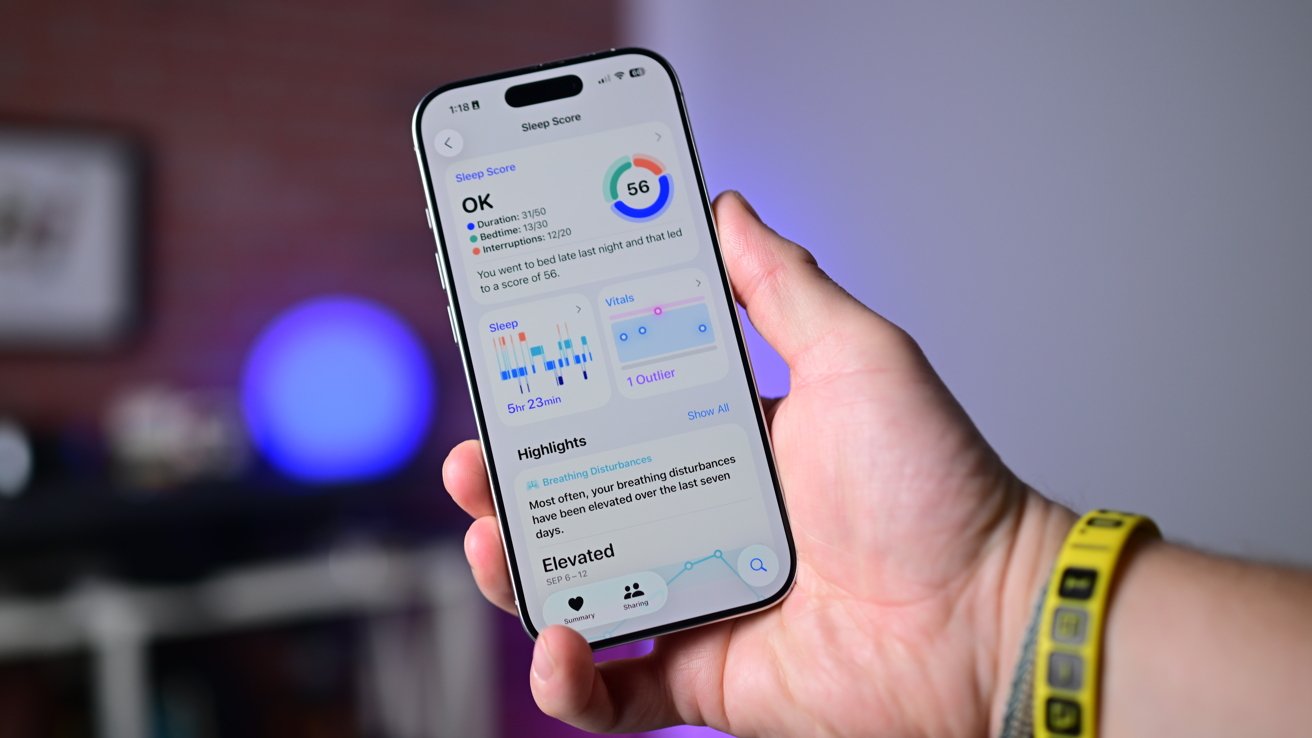
The Sleep Score is also shown in the Health app
It looks specifically at how late you went to bed, how long you actually sleep, bedtime consistency, interruptions, and how long you spent in each stage. Then it is compared to your own historic data.
What models support Sleep Score
The good news is that this does not rely on any additional sensors. Therefore, it isn't exclusive to the Apple Watch Series 11 or Apple Watch Ultra 3.
Instead, it is supported on watches with watchOS 26. This includes Apple Watch Series 6 and later, the Apple Watch SE 2 or later, and all Apple Watch Ultra models.
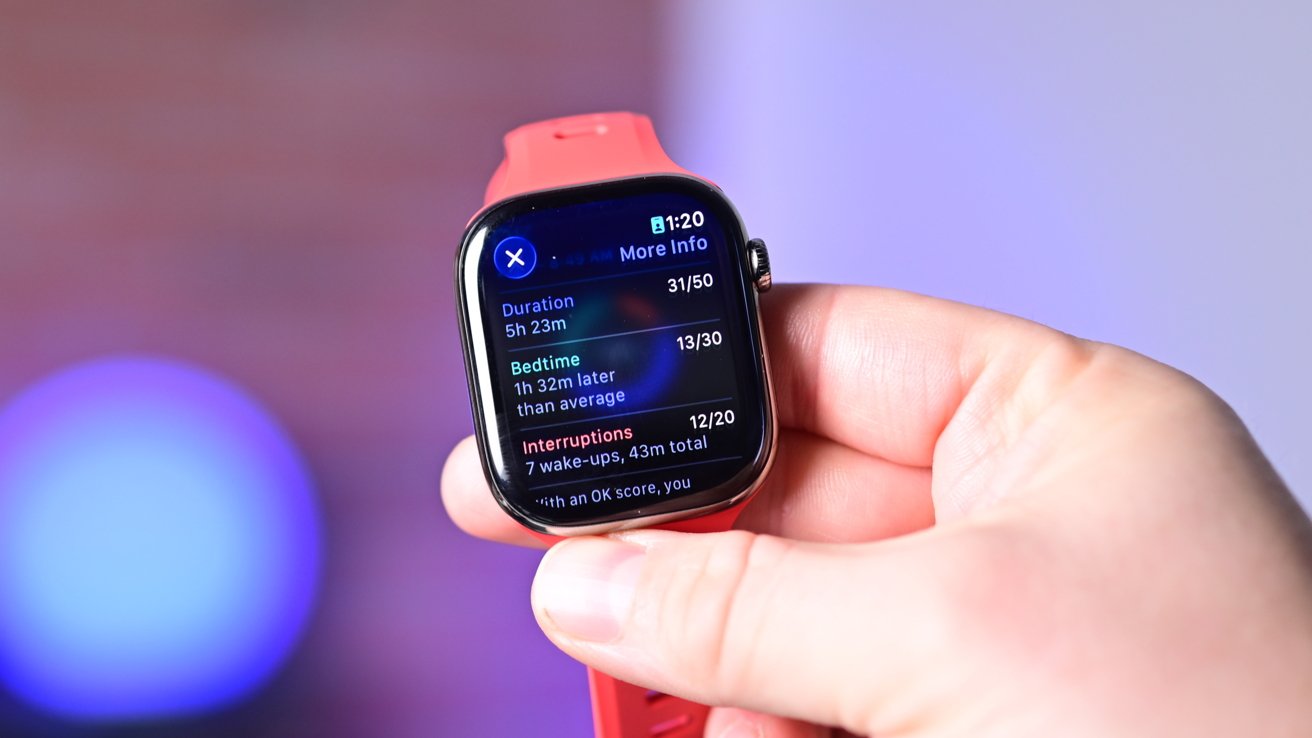
Apple Watch gives you a more granular breakdown of your Sleep Score
Users must also have an iPhone 11 or later running iOS 26. If you have been using Apple's sleep tracking already, you'll most likely be able to see a Sleep Score.
That's not to say the Apple Watch Series 11 lacks advantages for sleep tracking. It introduced the first-ever battery increase in Apple Watch history, after all.
Apple now says it supports 24 hours of battery life and even faster charging. That should get you through the entire night, but a 5-minute charge will get you 8 hours of sleep tracking.
Apple is set to release the Apple Watch Series 11 and the Apple Watch Ultra 3 on September 19 and watchOS 26 on September 15.