ProMotion, which is just Apple speak for variable display refresh rate, is available across the entire iPhone 17 range. Even so, it won't make much of a difference in day-to-day usage.
After a long wait and countless rumors, Apple has expanded ProMotion availability to the entire iPhone 17 line.
For the first time, even the base model iPhone is capable of displaying an image with a 120Hz refresh rate. It might sound impressive when taken at face value, but the reality is far from it.
ProMotion allows for smooth scrolling and swiping animations, but not much else, at least in my experience. For a better idea of what a ProMotion-capable display actually is, it's important to understand exactly how it differs from a display with a standard 60Hz refresh rate.
ProMotion and display refresh rates
Most displays we use in our day-to-day lives feature what's known as a refresh rate. This is the number of times a display updates or refreshes within a second, typically denoted in Hertz (Hz).
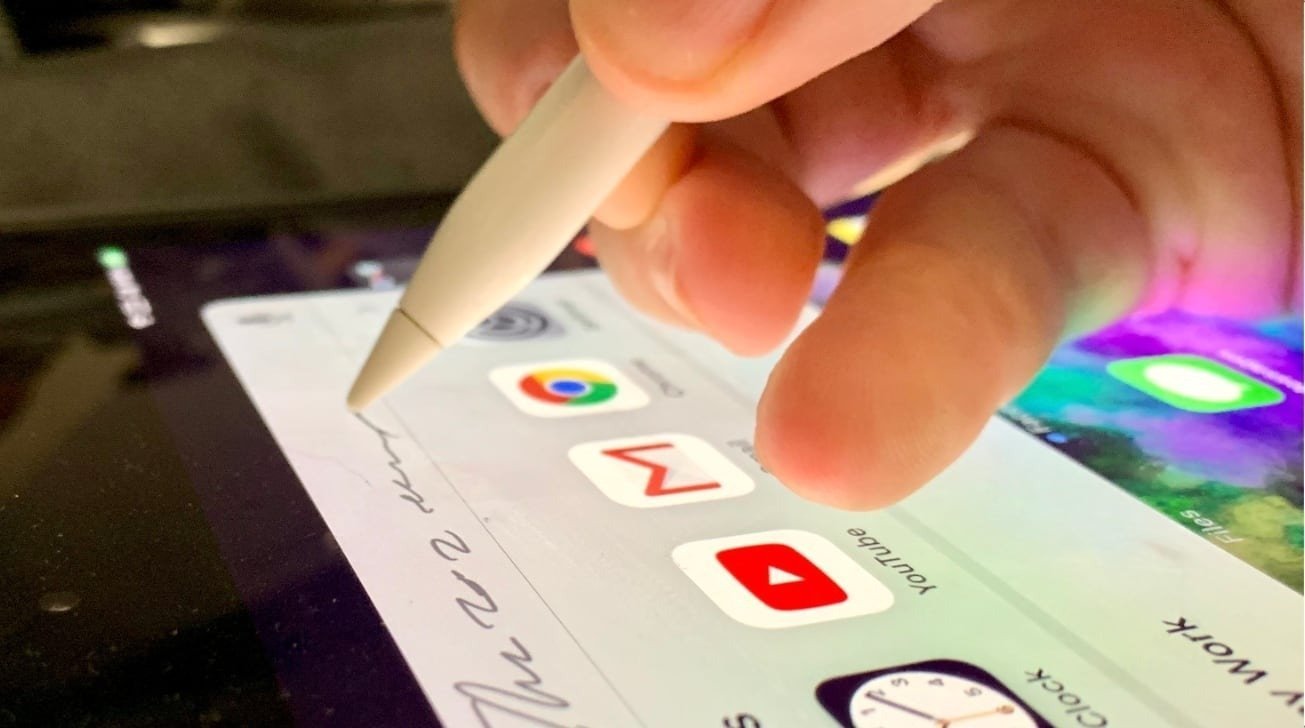
ProMotion was initially billed as an improvement to display responsiveness when using an Apple Pencil on an iPad Pro.
Given that videos are essentially images played in quick succession, higher refresh rates allow for smoother video and animation playback. This is because more images are displayed during a single second.
Typical TV screens and monitors have a fixed refresh rate of 50Hz or 60Hz, which is usually sufficient to keep most people satisfied.
Displays with a 60Hz refresh rate are also on every base model and entry-level iPhone released before the iPhone 17. The MacBook Air, iPad Air, iPad mini, and standard iPad all feature displays with a 60Hz refresh rate as well.
With the 2017 iPad Pro, Apple introduced ProMotion. Unlike a standard 60Hz display, ProMotion allows for a variable refresh rate that fluctuates between 10Hz and 120Hz as needed.
During use, the refresh rate changes range from 120Hz when scrolling animations and games are on-screen, down to just 10Hz for static images. The display can also switch to 60Hz to match the refresh rate of video content being played. In short, ProMotion makes animations feel smooth and less choppy.
ProMotion also allows for better battery life. Displays with ProMotion use less power when still images are on-screen, as the display doesn't need to refresh nearly as often as it does with animations. The iPhone 14 Pro, which supports refresh rates of just 1Hz, took this to the extreme with always-on mode.
Also available on Apple Watch and the iPhone 17, always-on mode lets you see the date, time, and other relevant information on your device at all times. The display refresh rate goes down to a mere 1Hz when your iPhone is locked or in StandBy.
Whether or not the impact of ProMotion is truly noticeable depends on who you ask. Some are willing to die on this hill and defend ProMotion as though it's an essential display feature.
Personally, I've found ProMotion on the iPhone to be overrated, and I have no intention of upgrading to the iPhone 17 because of it.
ProMotion doesn't make much of a difference
I've owned a 2017 iPad Pro for years, and I bought it partly because of ProMotion. Apple, unsurprisingly, marketed it as something almost indispensable, a "Pro" display feature.
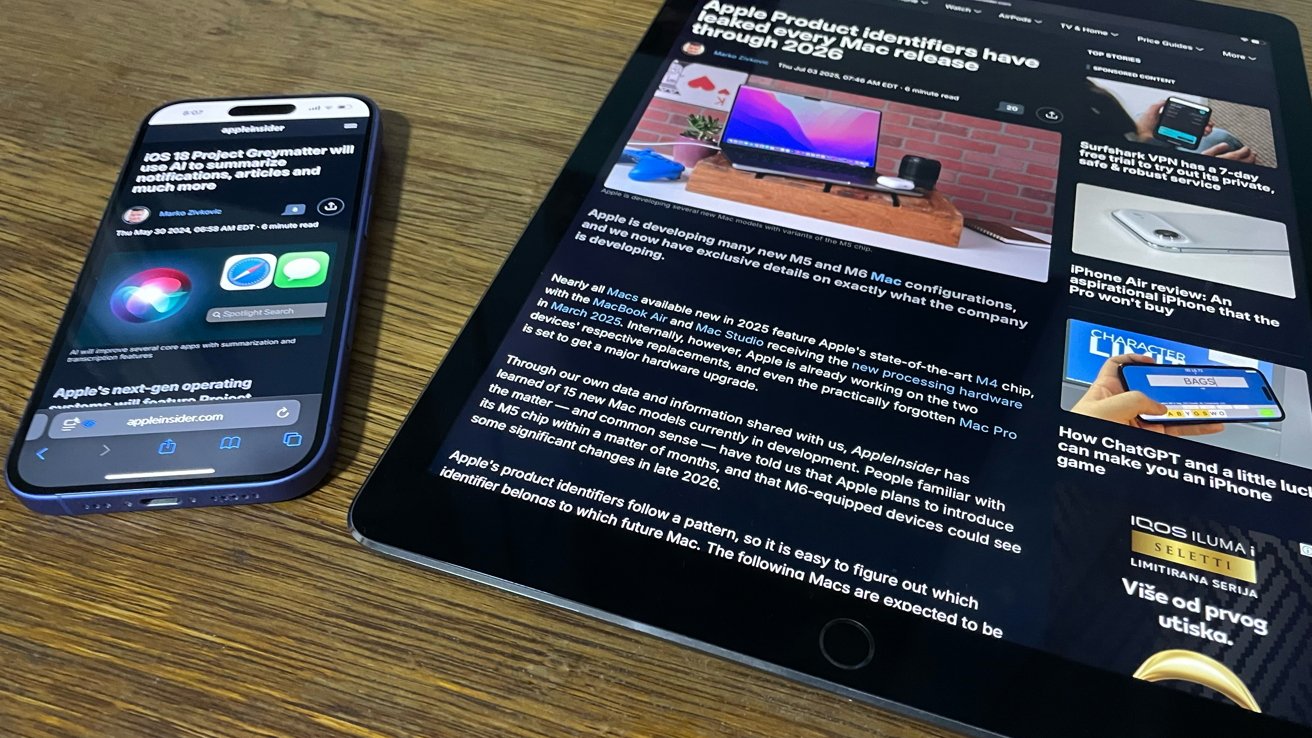
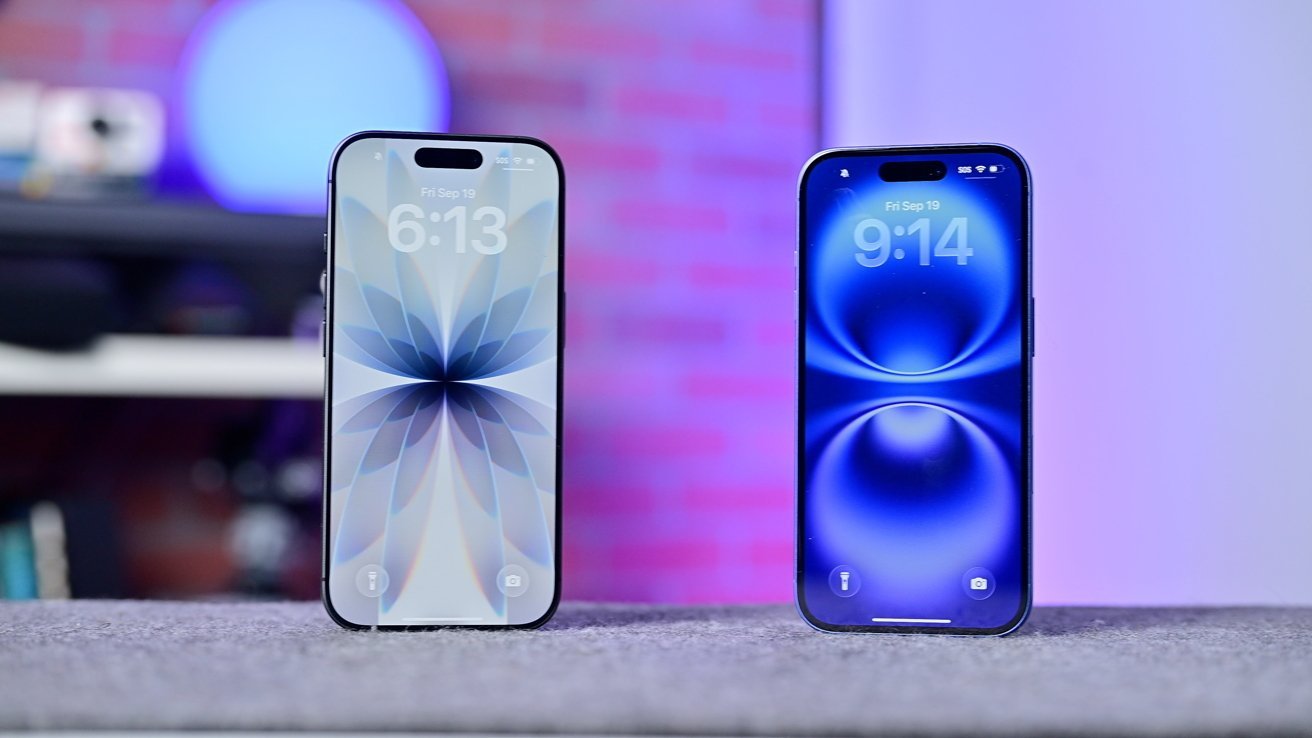
Scrolling through text on the iPhone 16 (left) isn't much worse than scrolling on the ProMotion-equipped 2017 iPad Pro (right).
Admittedly, I noticed the smooth animations as soon as I got the iPad Pro, but the novelty quickly faded. Swiping and felt more fluid, but that's pretty much it.
ProMotion offers no usability benefit beyond improved animations and battery life. Sure, you'll be able to find games with 120Hz refresh rate support, but you won't really see the difference elsewhere. If you use your iPhone for casual gaming, think Subway Surfers or Temple Run 2, then ProMotion really isn't a necessity.
I often switch between my iPad Pro, MacBook Air, and iPhone 16. The difference in animation speed or fluidity is negligible and effectively imperceptible. I've had the opportunity to use ProMotion-equipped iPhones, and the experience wasn't all that different from my iPhone 16.
Part of it is because ProMotion really doesn't matter on an iPhone. On iPads and MacBooks, though, it's a slightly different story.
ProMotion makes more sense for an iPad or MacBook
The iPhone is undoubtedly one of the largest gaming platforms, and there are plenty of us who enjoy games on the go. Still, you're unlikely to find a gamer who uses an iPhone as their main gaming platform.
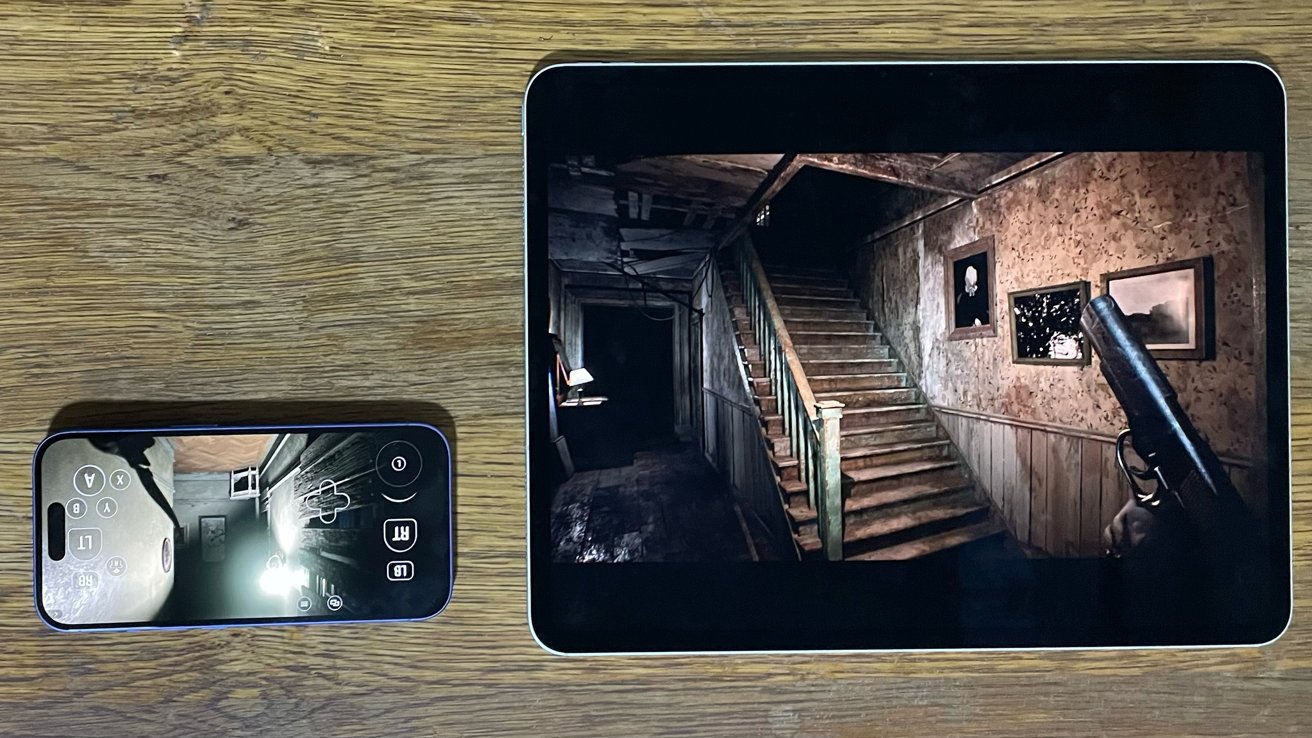
Even without ProMotion, the iPhone 16 (left) can run the same games the M4 iPad Pro (right) can.
To be clear, the base model iPhone 16 can render graphics-intensive desktop games like Resident Evil 7: Biohazard or Resident Evil: Village. It can also run the often criticized definitive edition versions of the 3D-era Grand Theft Auto trilogy, all without ProMotion.
The hardware is capable, and the iPhone 17 surely makes the experience better. Still, iPhone screens are arguably too small to enjoy more complex, desktop-style games. You often can't see what's on-screen, unless you're using an external keyboard or controller, which defeats the whole purpose.
ProMotion is more important for devices with larger displays, like the 12.9-inch or 13-inch iPad Pro. If you own a more recent model, you'll be able to play many App Store games available for Apple Silicon Macs. And you'll still be able to see what you're doing in-game, even with touch controls.
If you plan on getting something with a large screen, you might as well get top-of-the-line specs. Games will still run without ProMotion, and I have yet to find anything that plays better because of it. Still, it's nice to have, even if it's not particularly useful or noticeable.
You could make the same argument for a MacBook Pro, especially considering you can use it to run Windows-only games with virtual machine software. The iPhone, on the other hand, doesn't really need ProMotion for anything, in my opinion.
Of course, everyone's use cases and habits are different. If you're into high-end AAA iPhone gaming, maybe ProMotion will matter to you, as will your phone's processing power. In that case, you're more likely to get an iPhone 17 Pro or iPhone 17 Pro Max for the A19 Pro chip with vapor chamber cooling anyway.
For the vast majority of people, however, ProMotion won't have much of an impact either way.